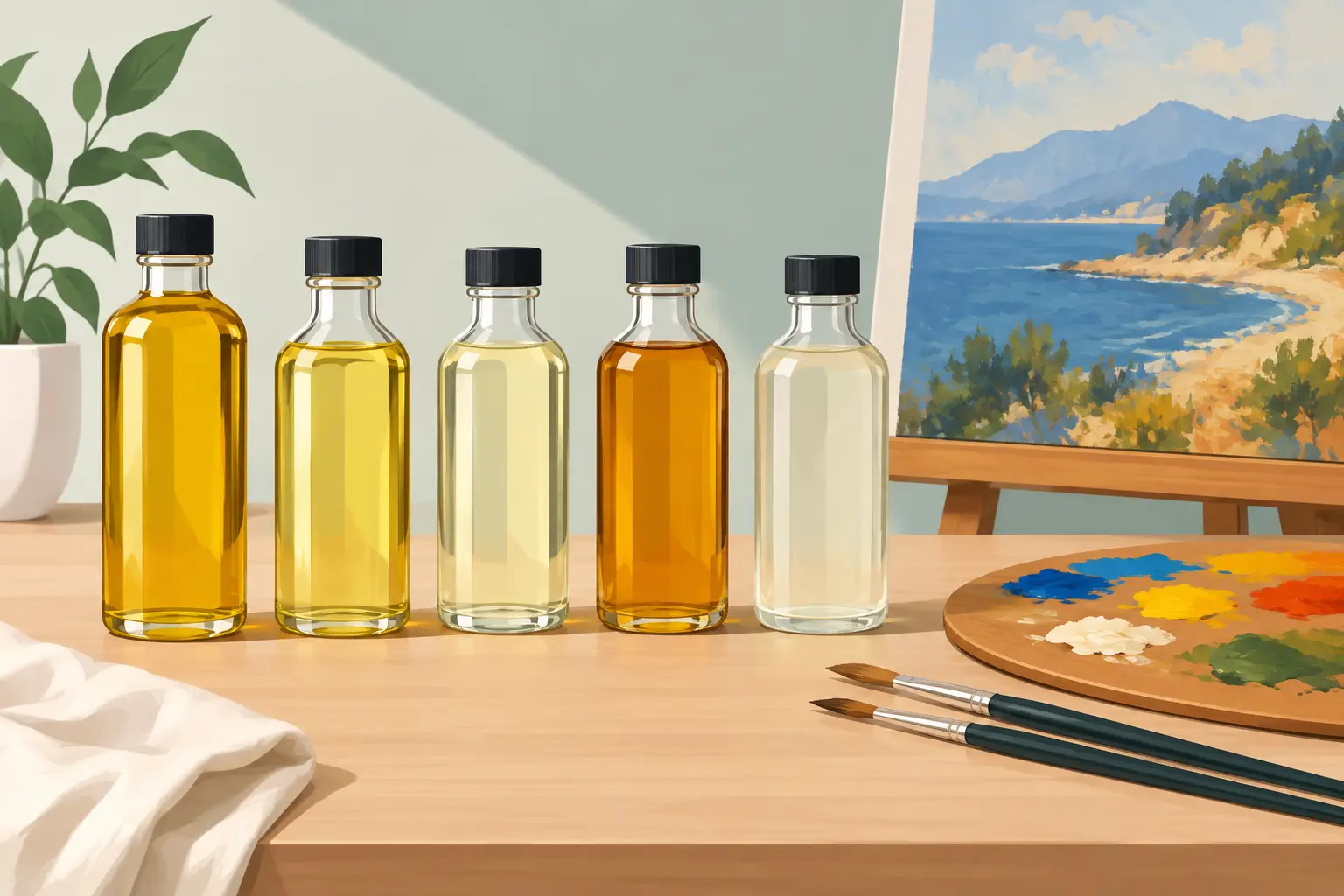
Which Oils Dry Fastest for Oil Painting?
Which oils dry fastest in an oil painting? Compare linseed, walnut, safflower and poppy oils, then choose a medium for sound, controlled layers well.
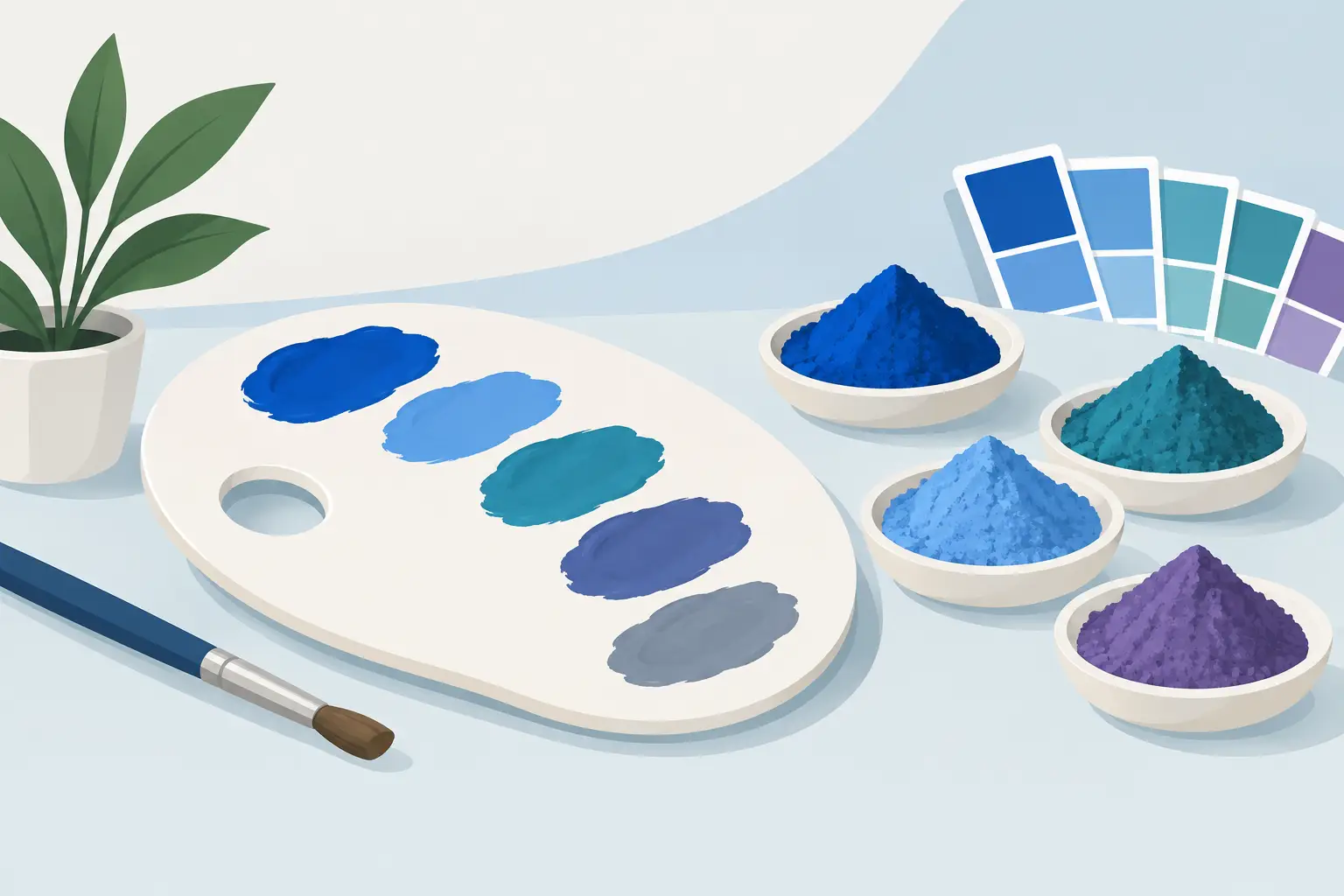
Cobalt Alternatives for a Working Palette
Cobalt alternatives for oil and watercolour painters: compare pigment character, mixtures, permanence and handling before changing a trusted palette wisely
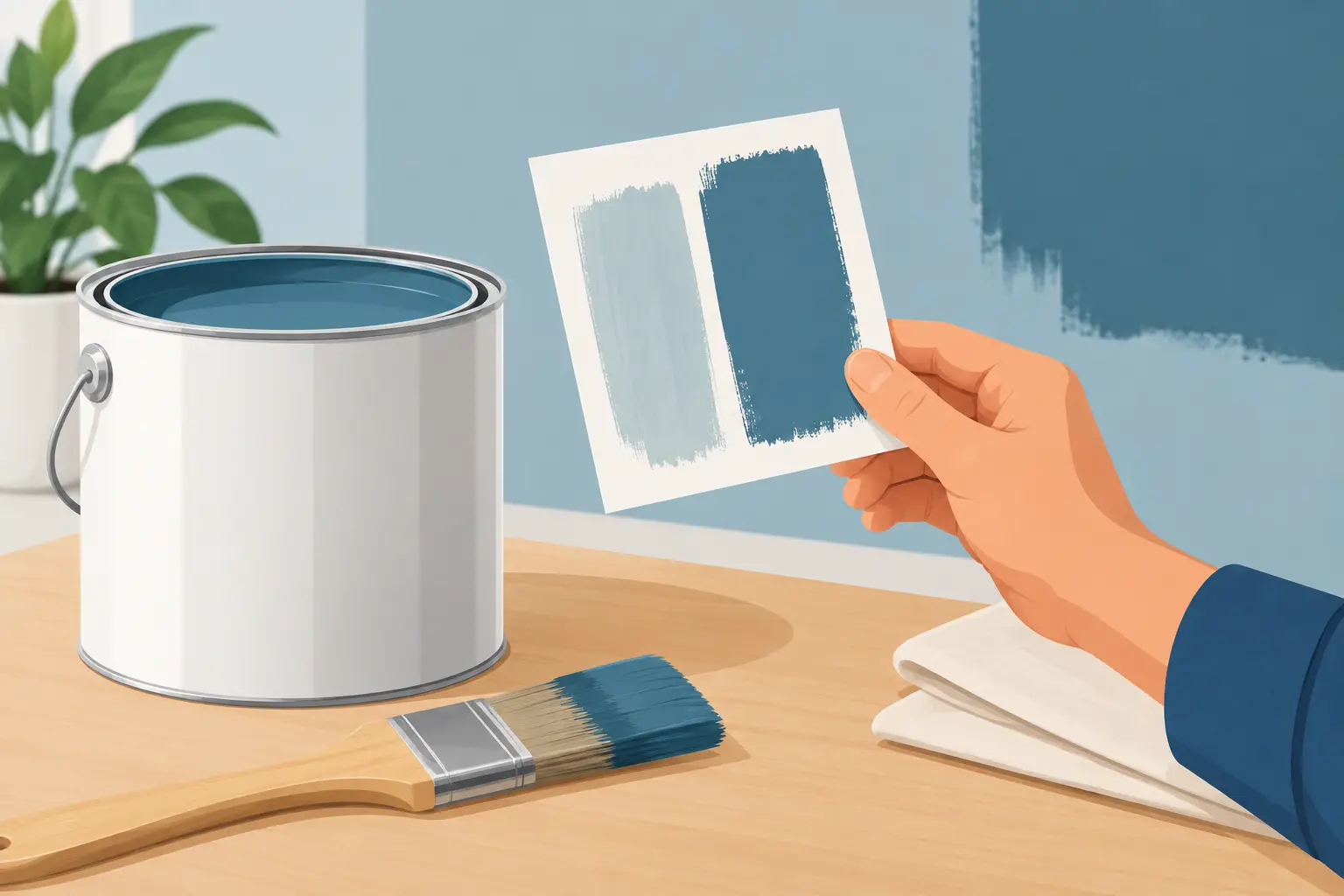
How to Test Oil Opacity Before You Paint
Learn how to test oil opacity with a practical studio drawdown, compare pigments and choose colours for glazing, covering and mixing well.
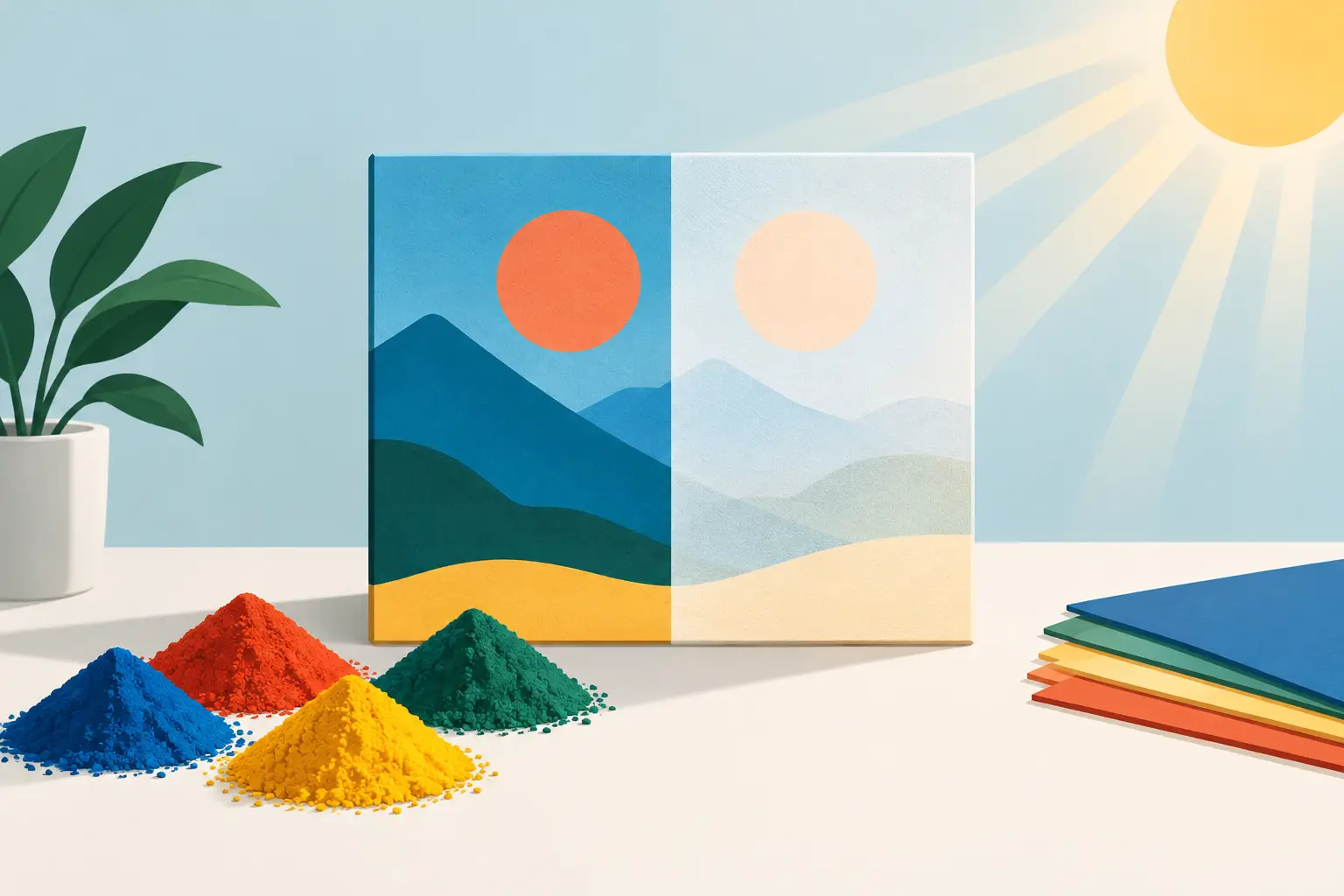
Do Pigments Fade? Lightfastness Explained
Do pigments fade? Learn how lightfastness, binders, display conditions and colour choices determine whether a painting keeps its intended colour over time.
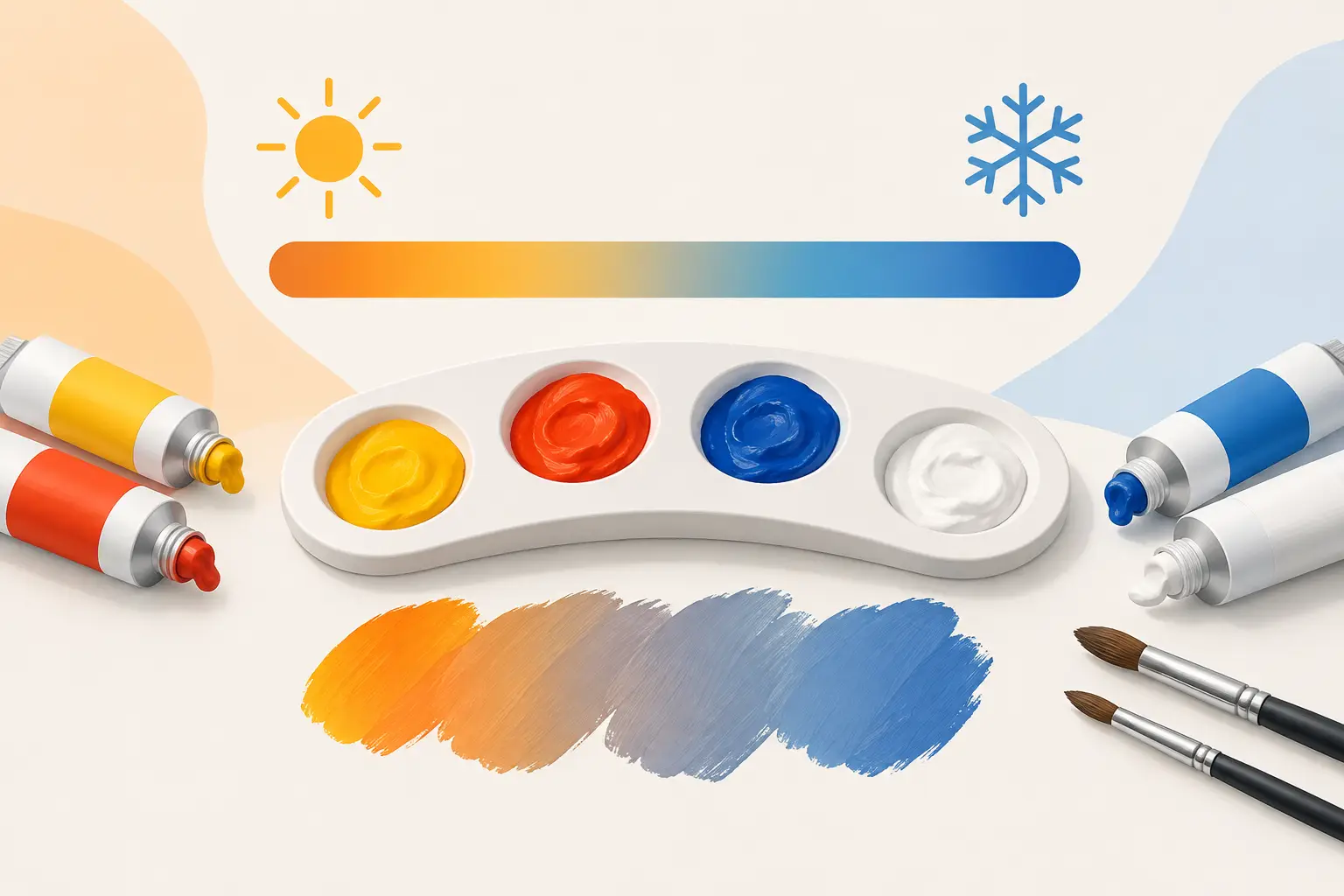
A Practical Guide to Colour Temperature Mixing
Guide to colour temperature mixing: read pigment bias, build convincing warm and cool relationships, and keep light, shadow and greys alive in oil paint.
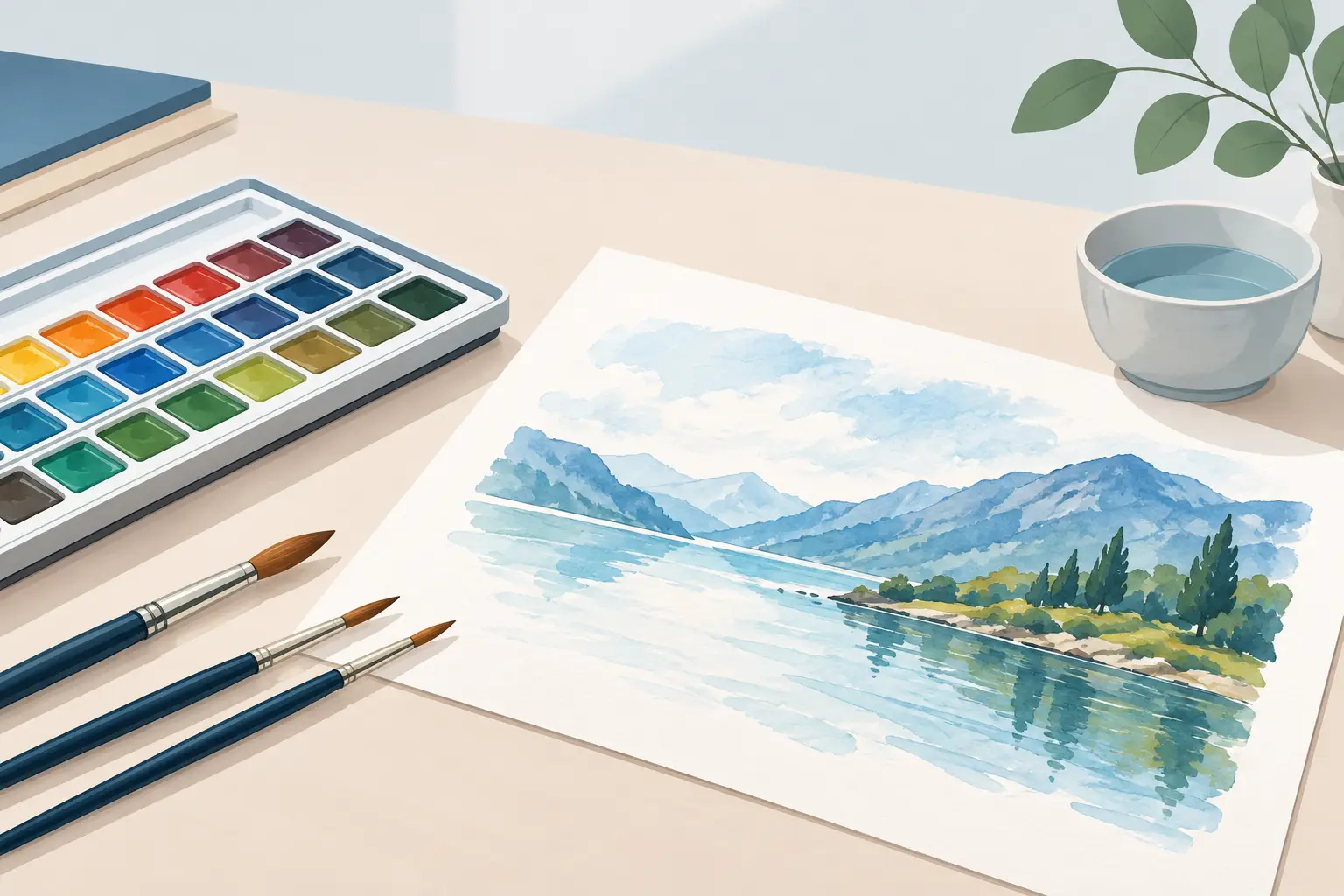
A Watercolour Paint Review for Serious Painters
A watercolour paint review for artists assessing pigment load, transparency, granulation, rewetting, lightfastness and mixing control in the daily studio.
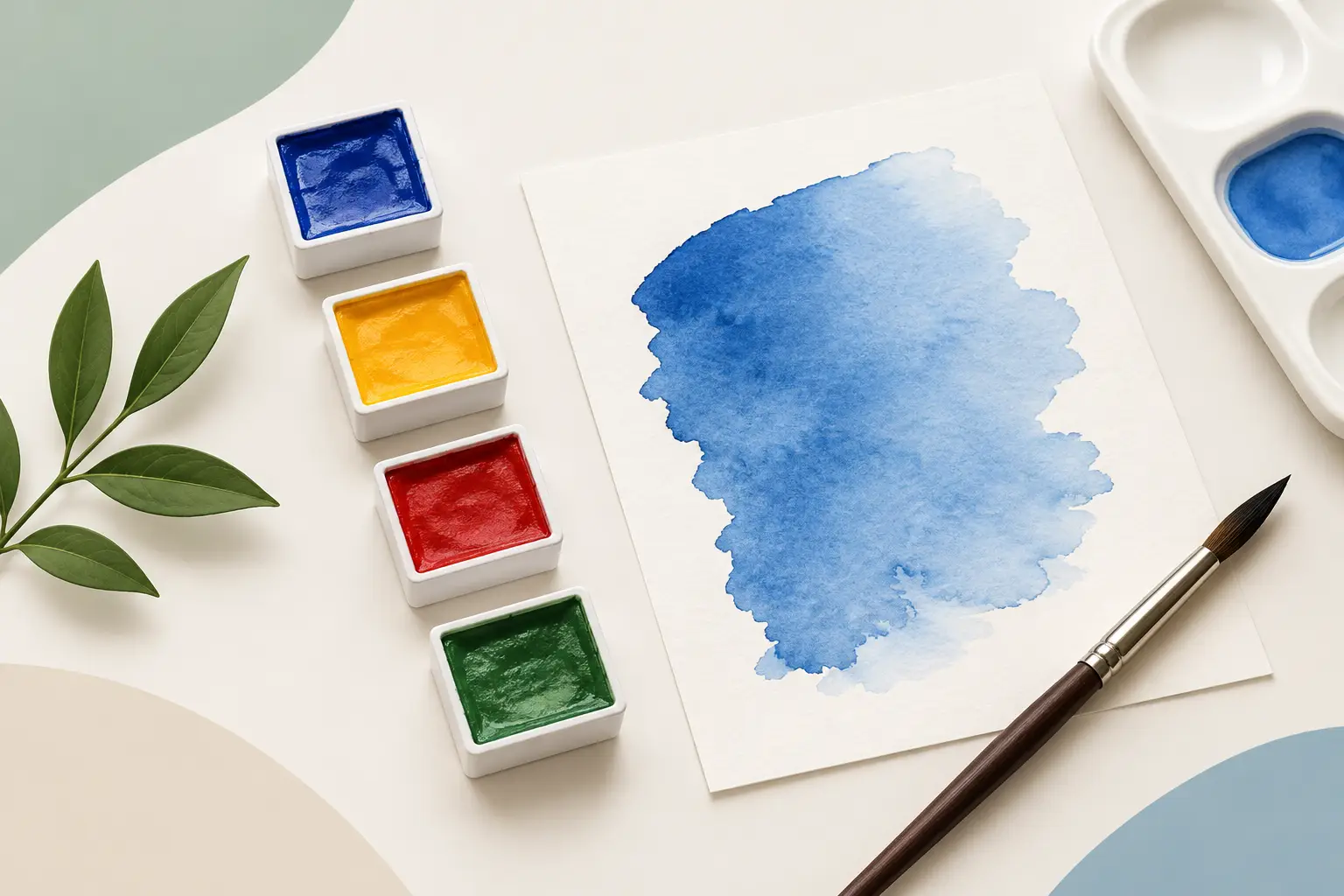
Why Single Pigment Watercolours Matter More
Single pigment watercolours give painters cleaner mixtures, clearer decisions and a more reliable route to a purposeful working palette in the studio.
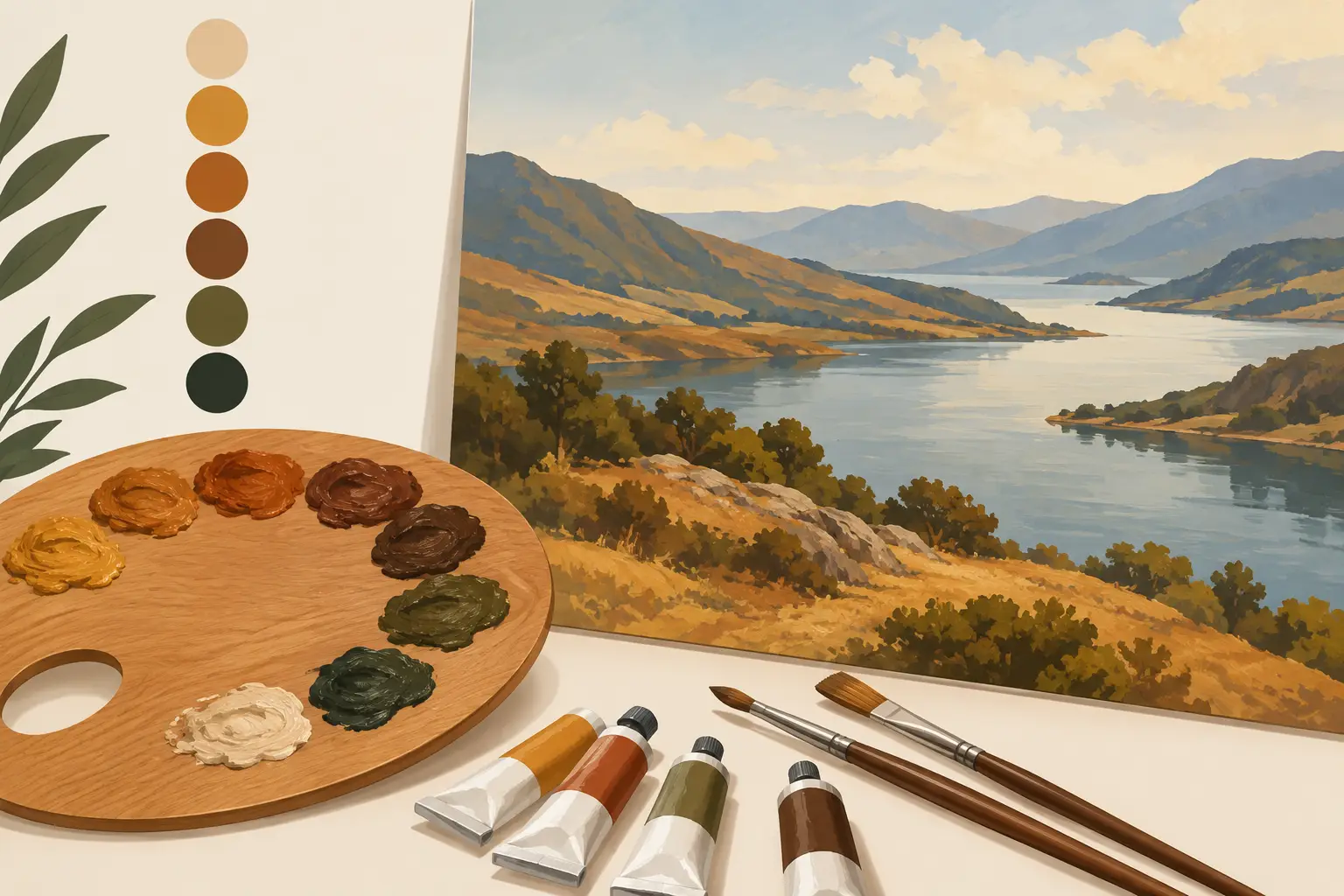
Best Earth Colours for Landscapes in Oil Paint
Choose the best earth colours for landscapes with pigment-led guidance on temperature, opacity, mixing and durable, convincing natural light in paint.
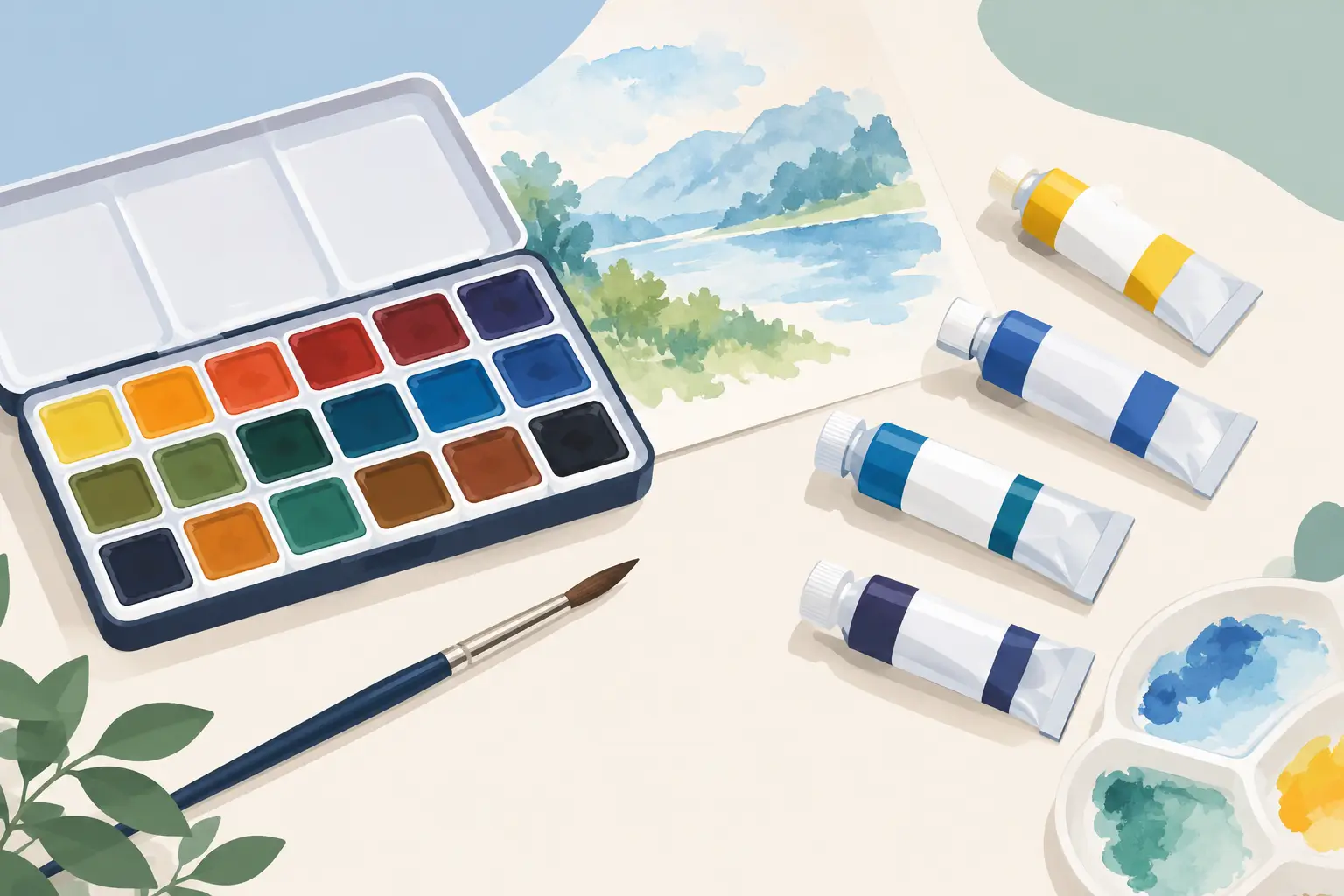
Pan Versus Tube Watercolours: Which to Choose?
Pan versus tube watercolours compared for pigment strength, rewetting, mixing, travel and studio practice, so you can choose with confidence and clarity.
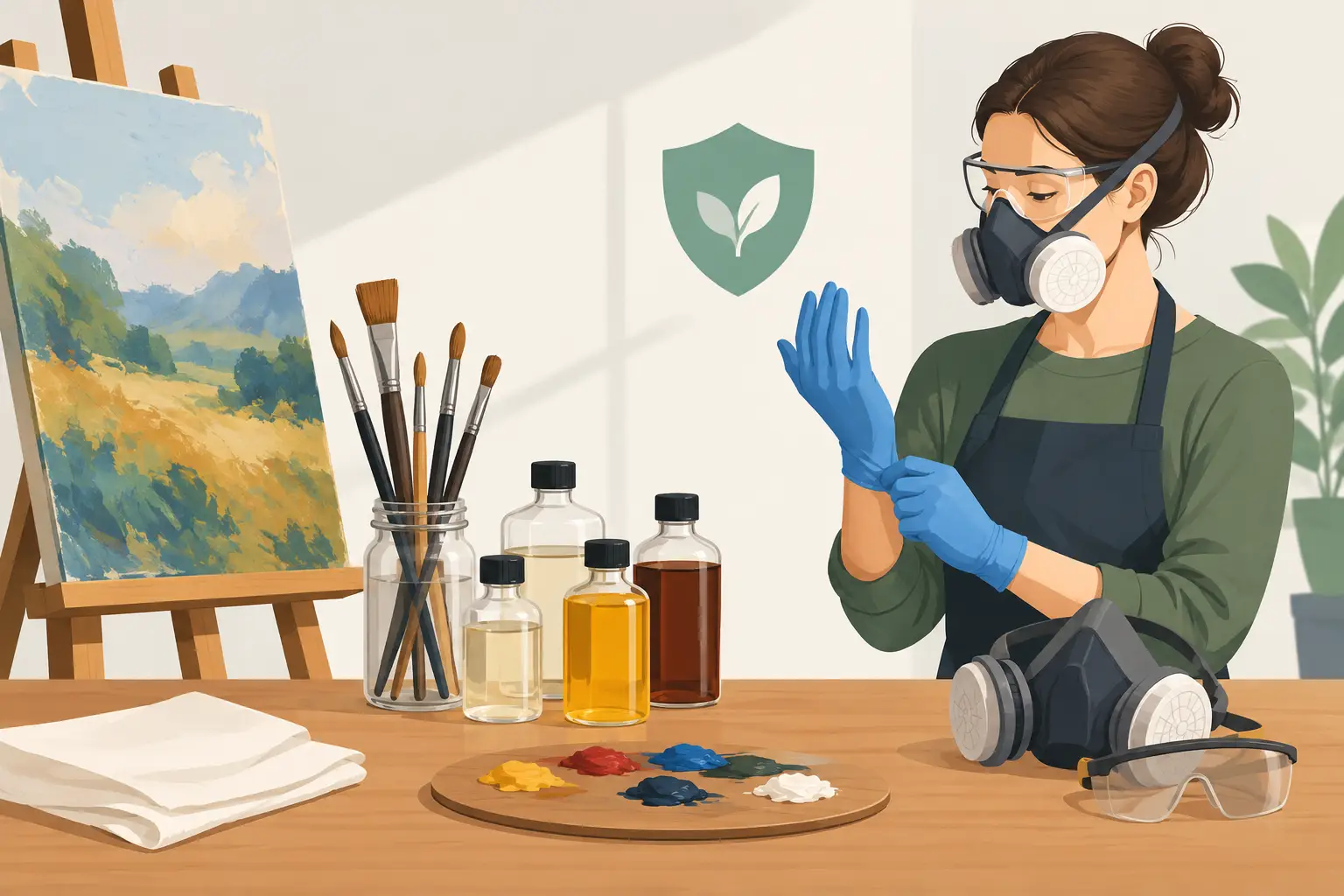
Painting Medium Safety Guide for Oil Painters
A painting medium safety guide for choosing, using and storing oil painting mediums with informed care for your studio, work and materials in practice.

Tube Versus Pan Watercolours: Which Suits You?
Tube versus pan watercolours compared: pigment strength, palette design, travel and working method help you choose for your painting practice with care.
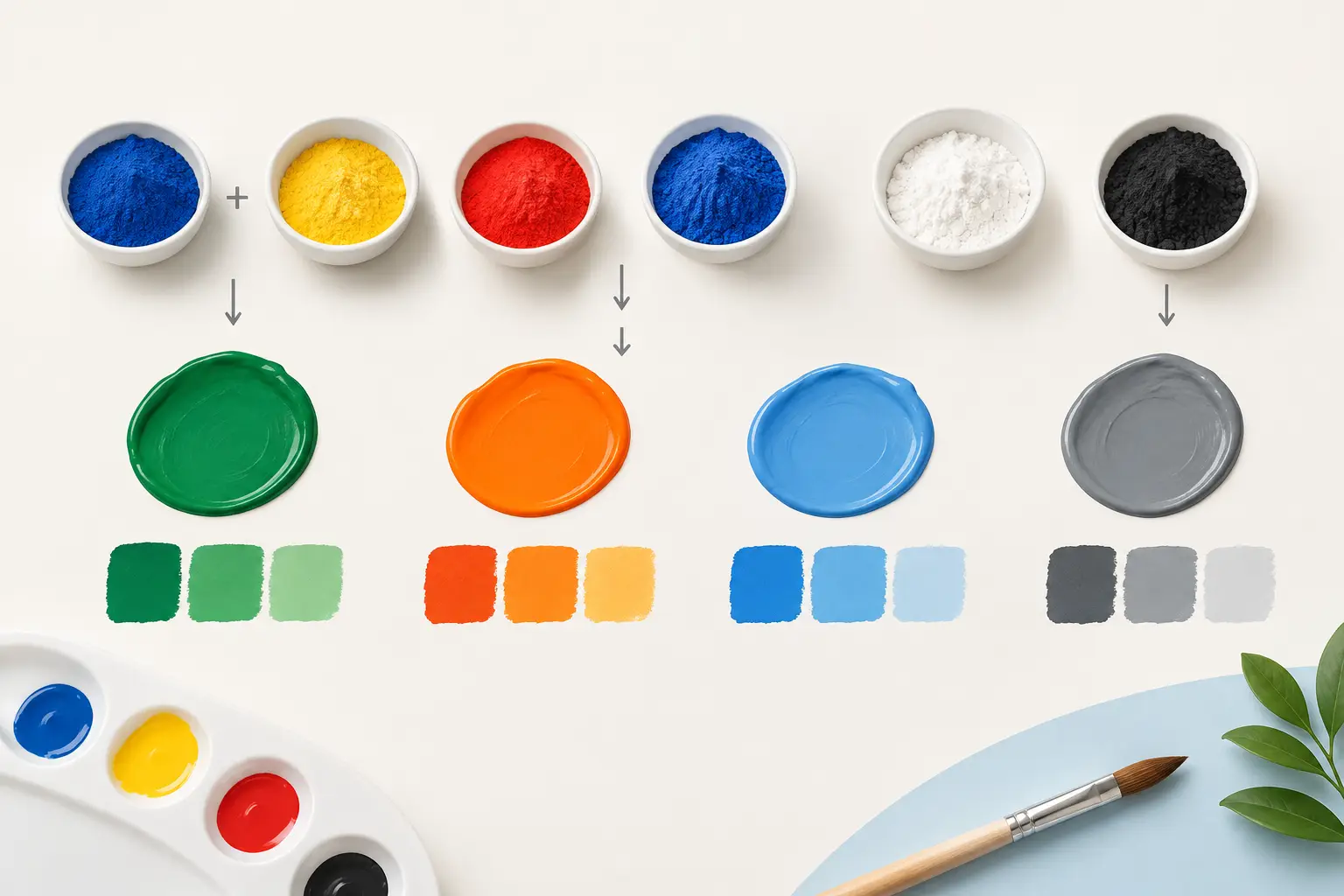
Pigment Mixing Examples for Clearer Colour
Use practical pigment mixing examples to predict hue, value and chroma, and build cleaner, more reliable colour decisions in oil and watercolour paint.
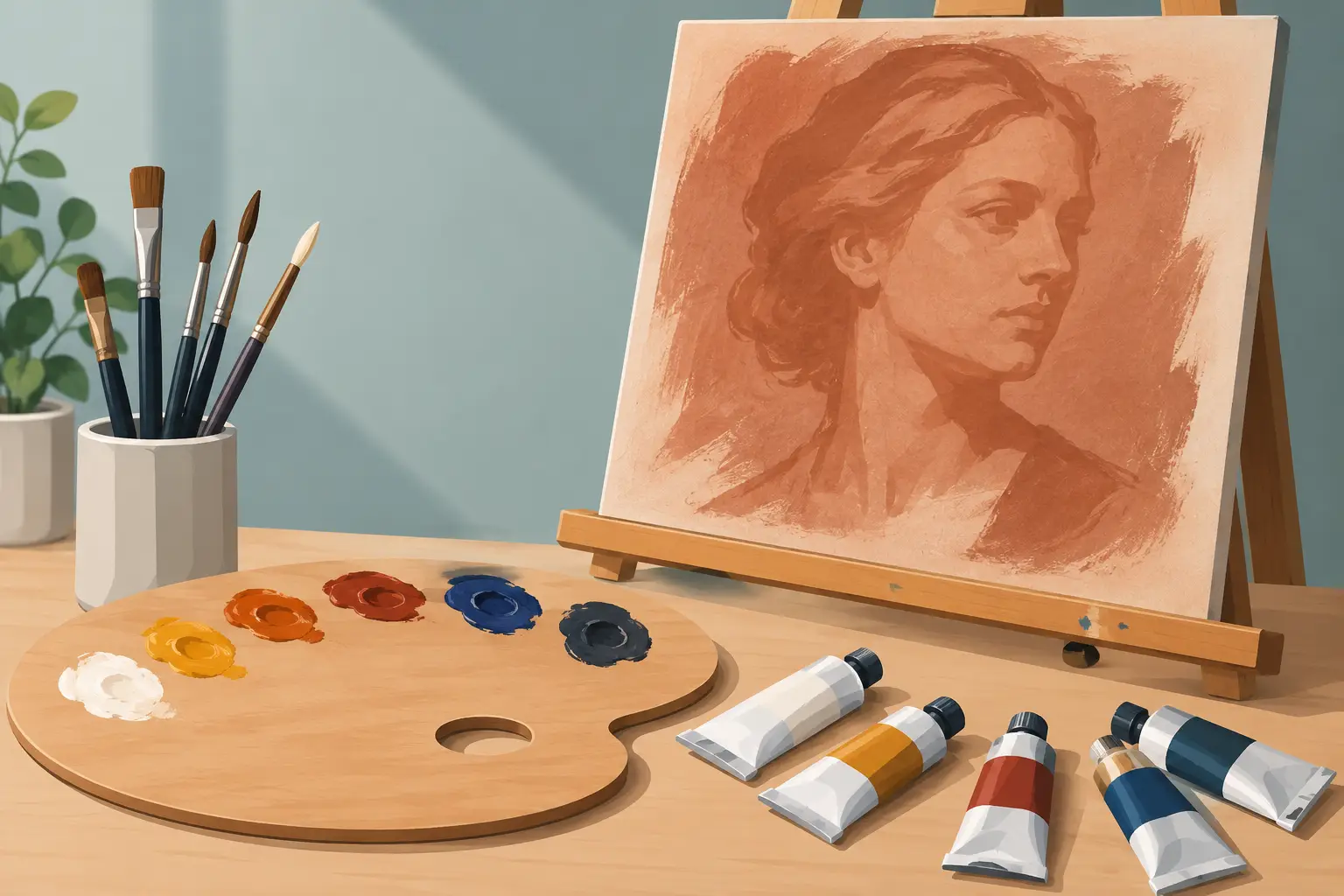
Best Colours for Underpainting in Oil Painting
Choose the best colours for underpainting with confidence. Learn how value, temperature, opacity and pigment choice shape your oil painting on canvas.
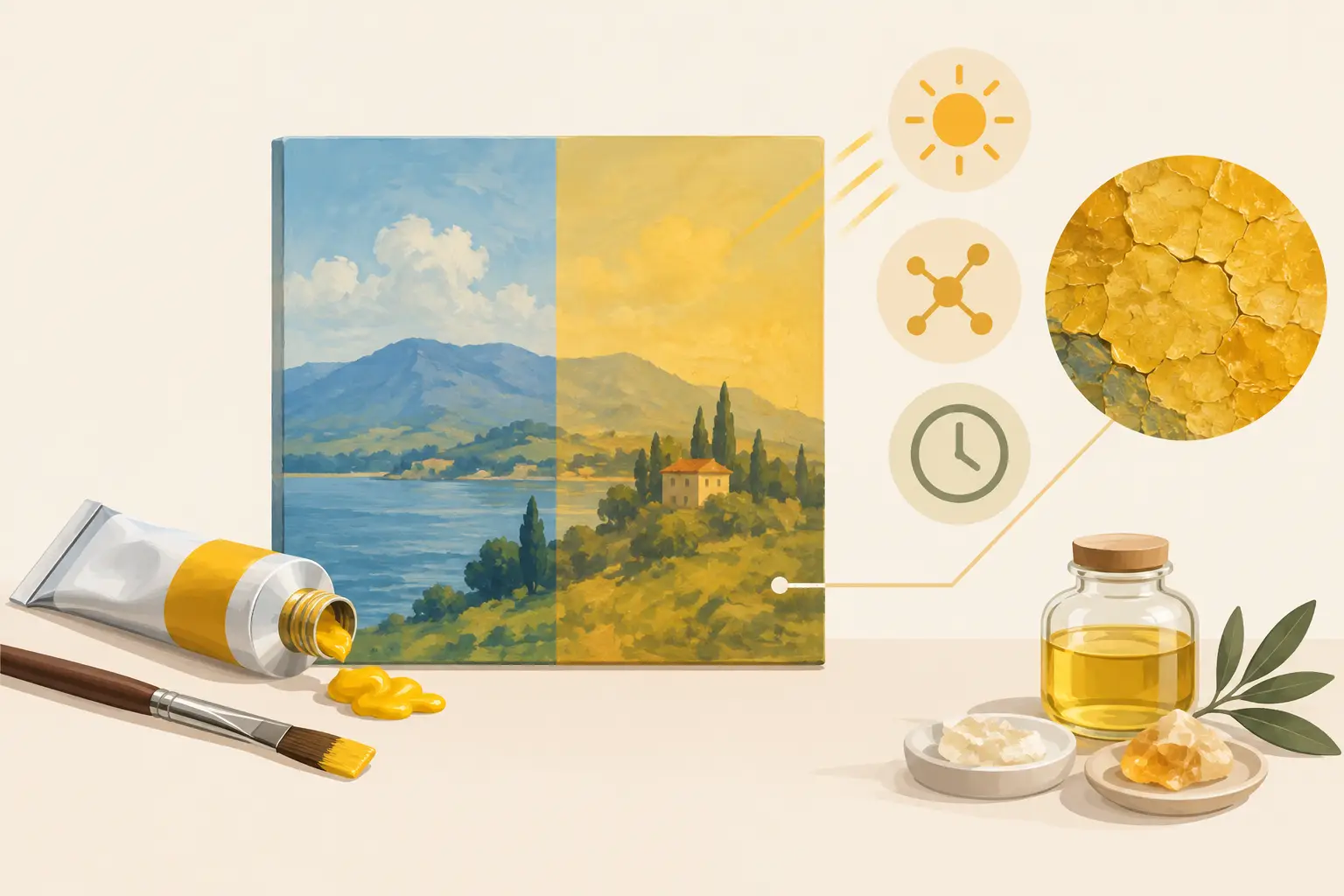
Why Does Oil Paint Yellow? Causes and Care
Why does oil paint yellow? Learn how drying oils, darkness, pigments, varnishes and studio conditions alter a painting’s appearance over time, what to do.
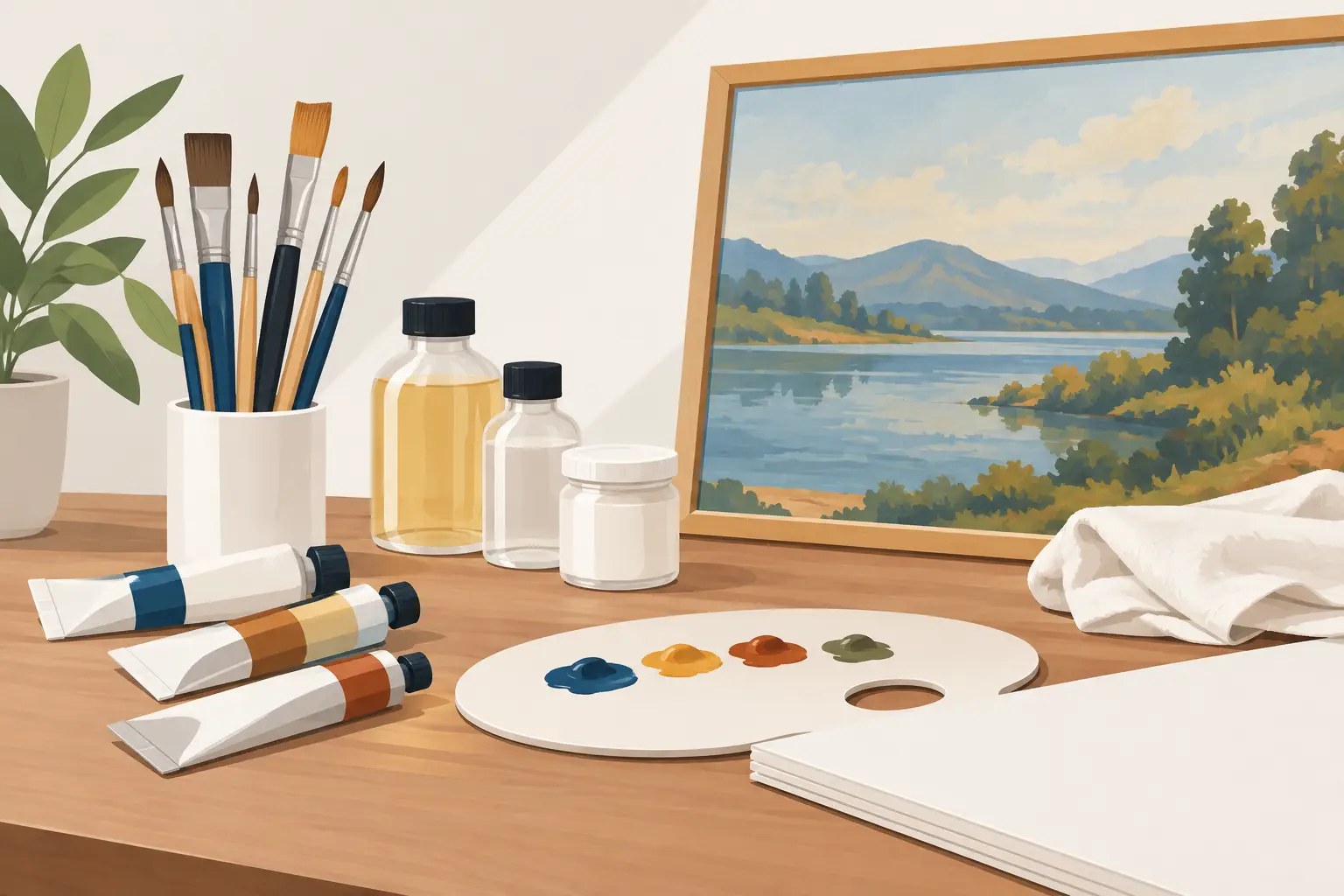
Archival Painting Materials That Earn Trust
Learn how archival painting materials, sound supports and considered studio methods help protect colour, structure and intent over the life of a painting.
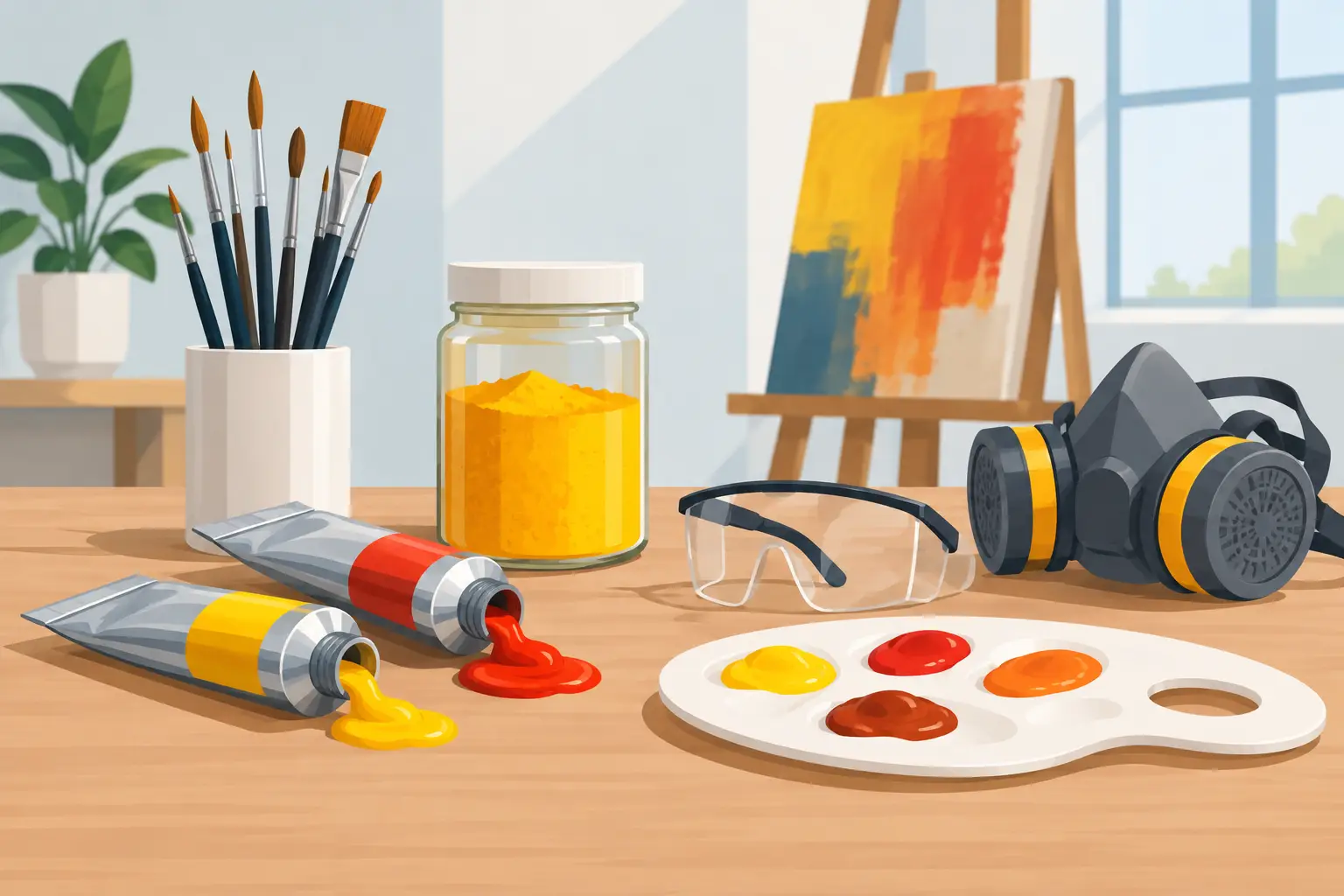
Is Cadmium Safe for Artists? A Studio Guide
Is cadmium safe in artists' paint? Understand pigment hazards, exposure routes and sensible studio habits for oil and watercolour painters in practice.
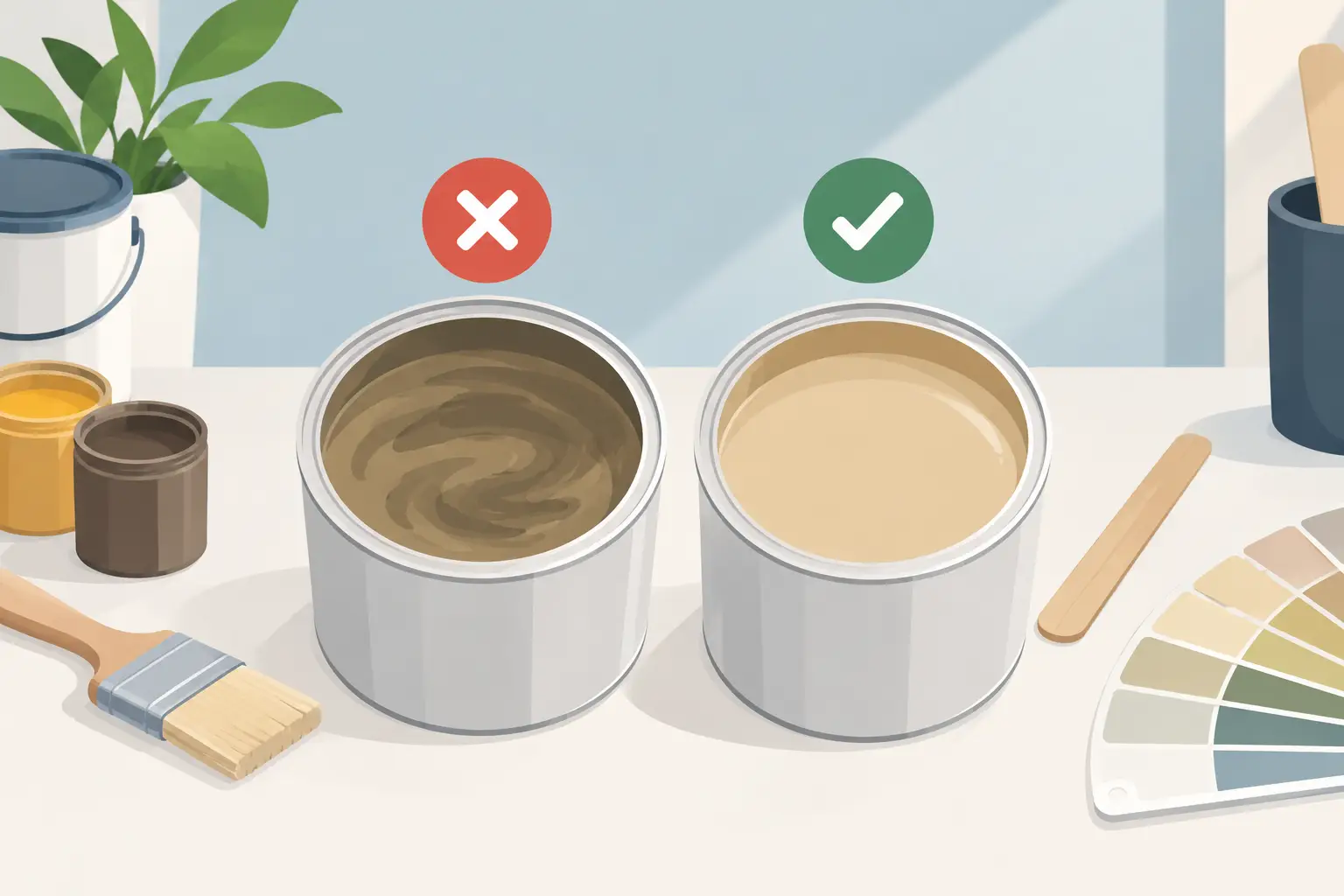
How to Prevent Muddy Oil Mixtures in Paint
Learn how to prevent muddy oil mixtures with pigment-led palette choices, measured mixing and clearer value control for more luminous, purposeful colour.

Student Versus Artist Paints: What Really Changes?
Student versus artist paints differ in pigment, handling and permanence. Learn how to choose colour that supports serious painting and studio practice.
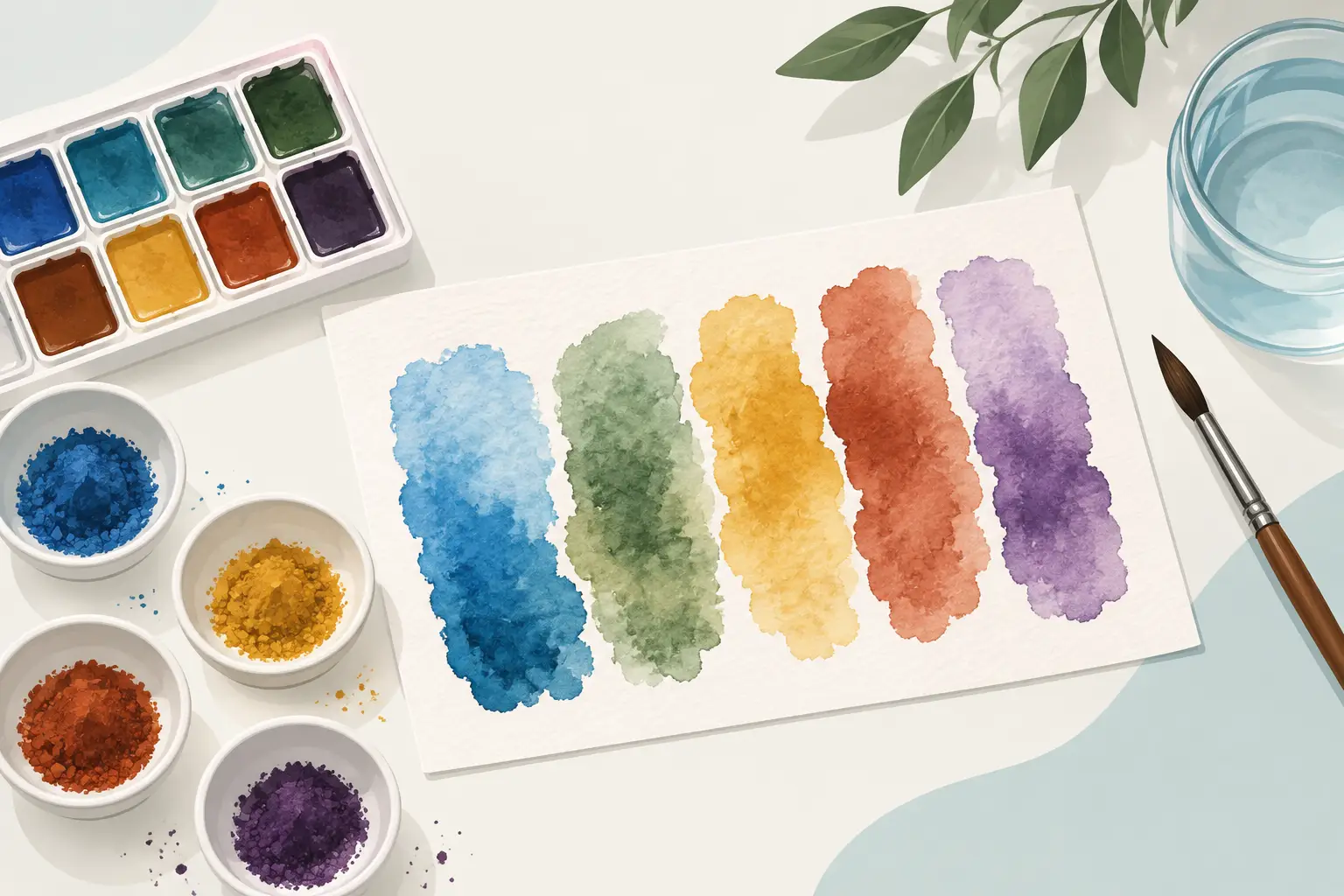
A Guide to Watercolour Staining Pigments
Our guide to watercolour staining pigments explains how these colours behave, how to lift and layer them, and how to choose them for a considered palette.
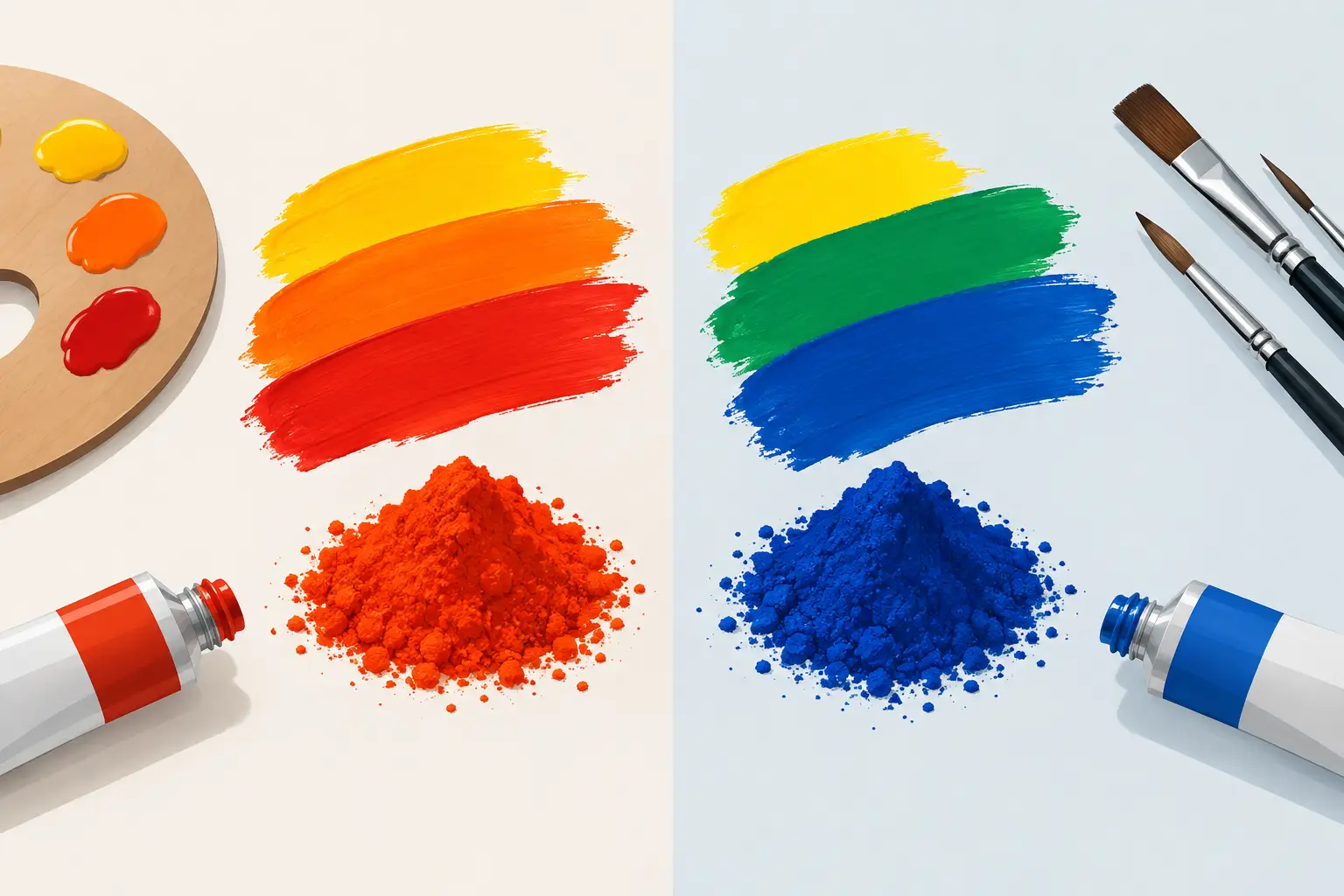
Cadmium Versus Azo Pigments: What Painters See
Cadmium versus azo pigments: compare opacity, tinting strength, mixing behaviour, permanence and studio safety to choose colour with confidence every day.
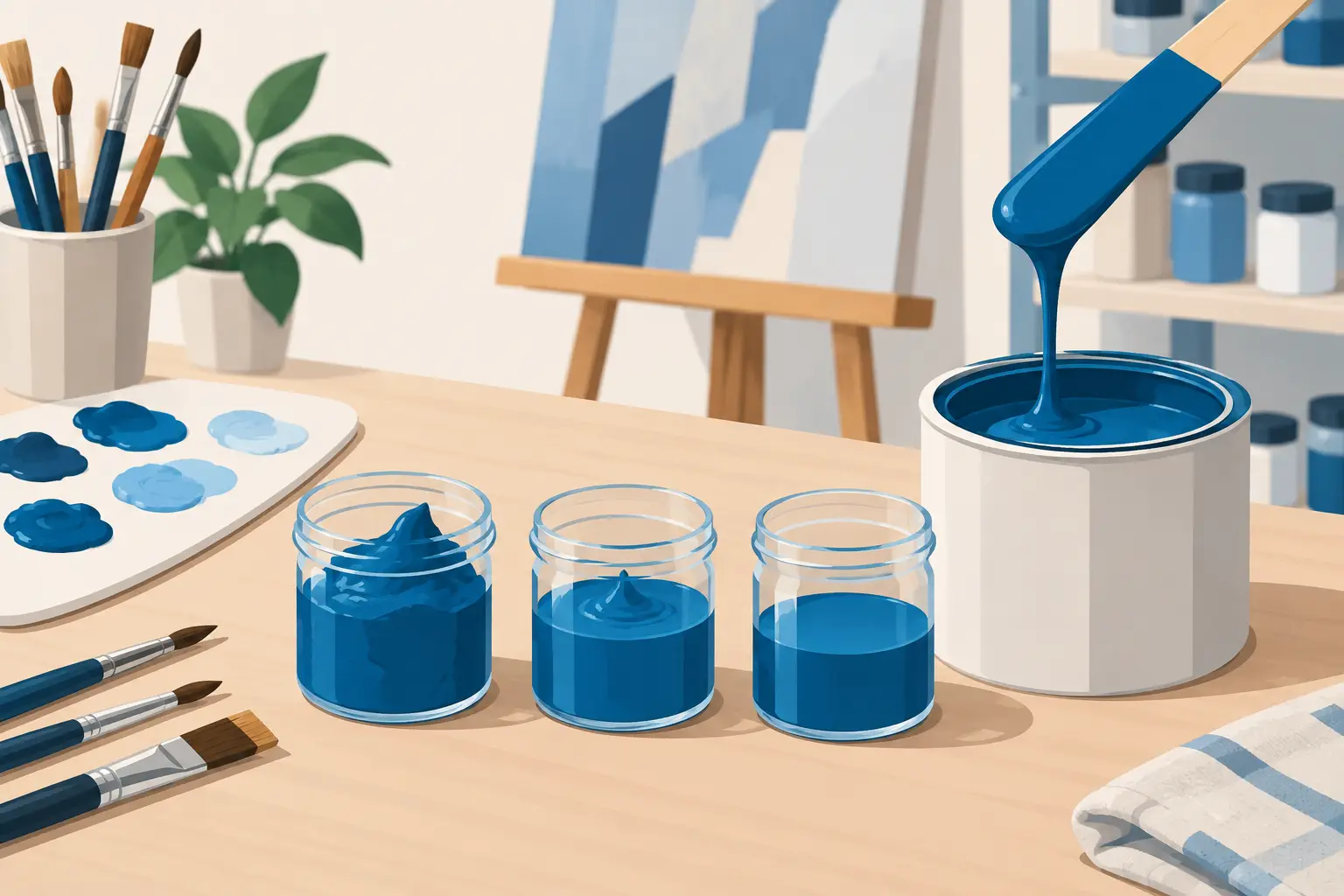
How to Control Paint Viscosity in the Studio
Learn how to control paint viscosity with informed choices of medium, solvent, water and application, for responsive, lasting oil and watercolour paint.
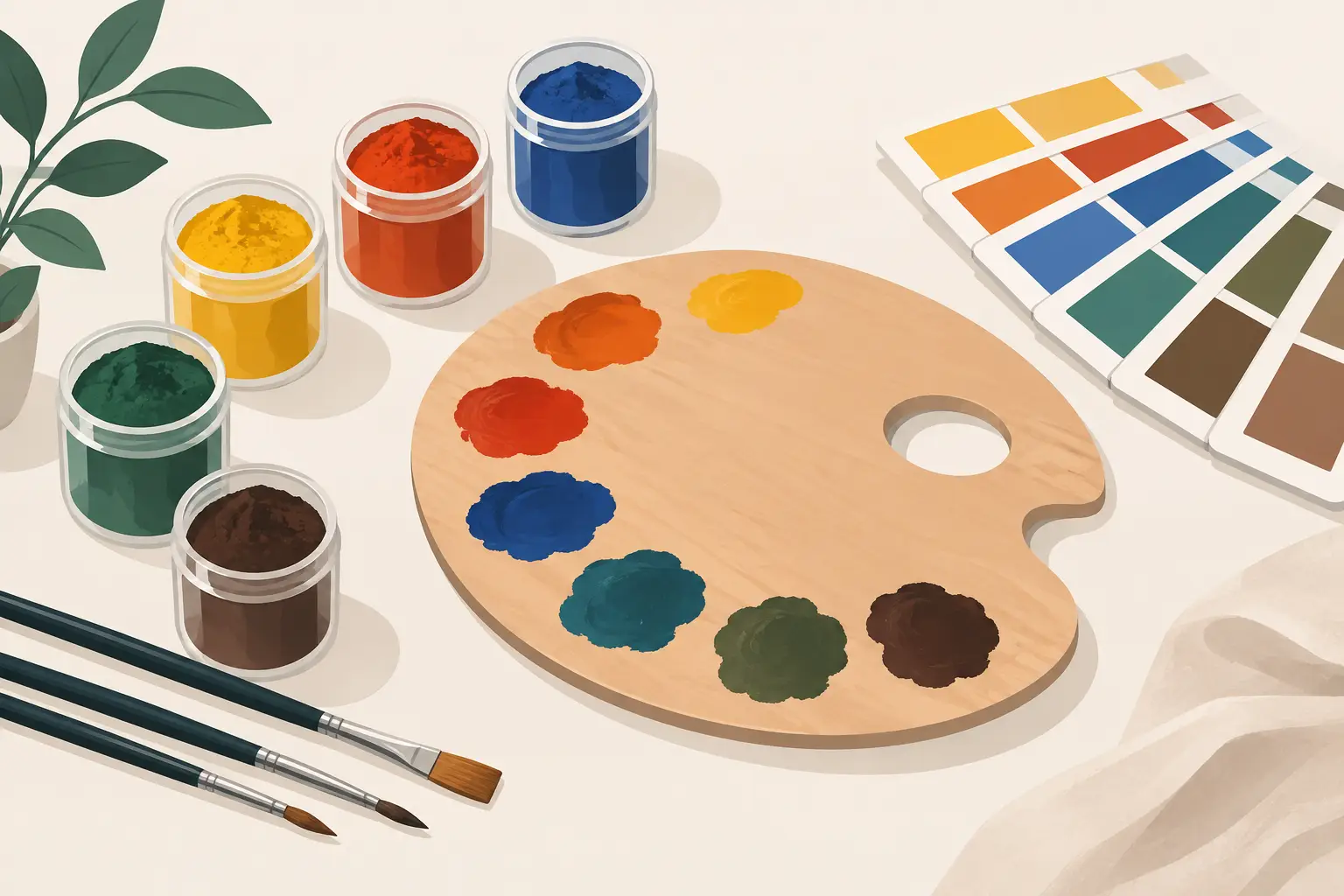
How to Select Pigments for a Working Palette
Learn how to select pigments for oil or watercolour with clarity: assess permanence, opacity, tinting strength, mixing and the demands of your practice.
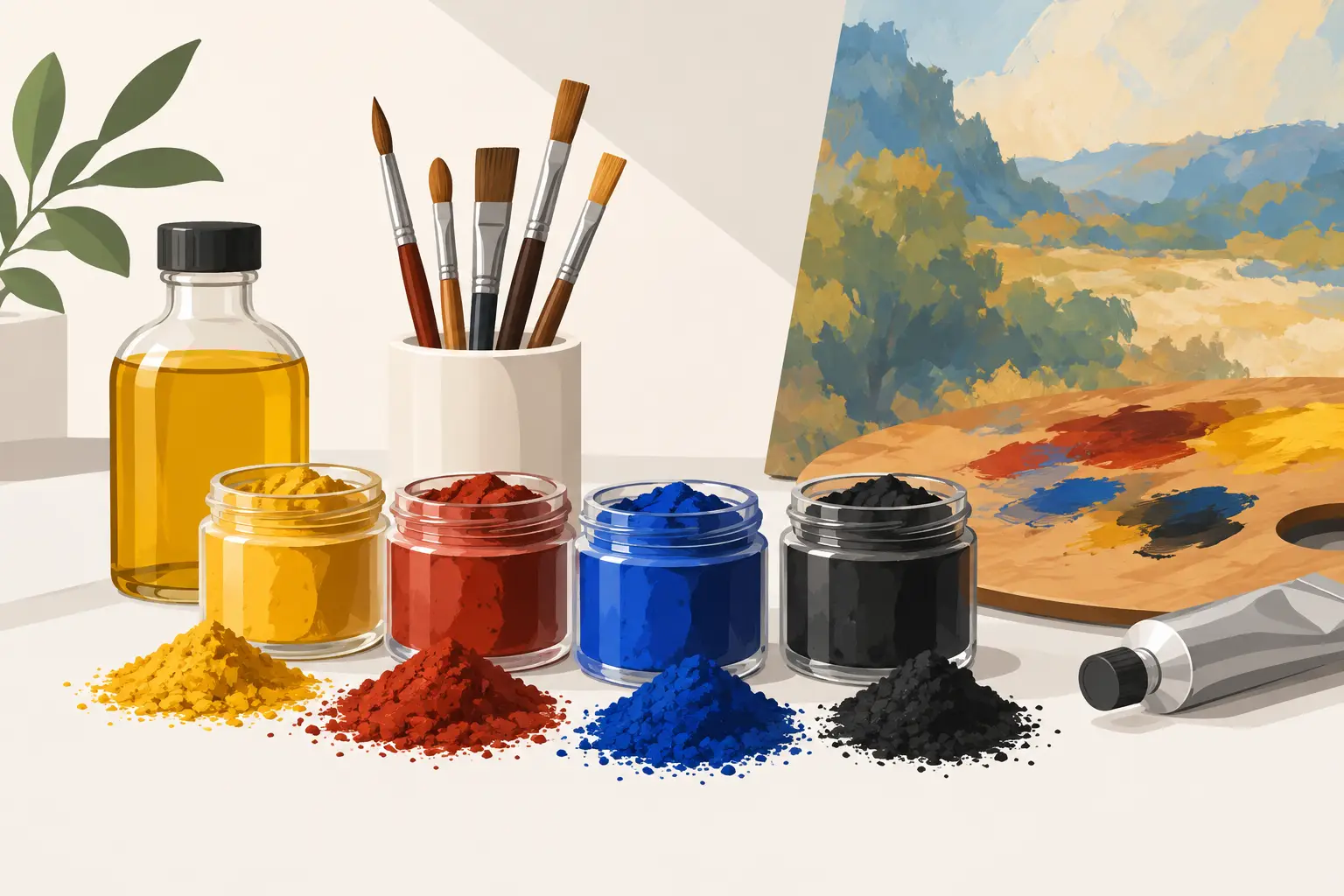
Oil Pigments: What Painters Need to Know
Oil pigments determine far more than hue: learn how pigment character, particle size and permanence shape mixing, handling and durable paintings in use.
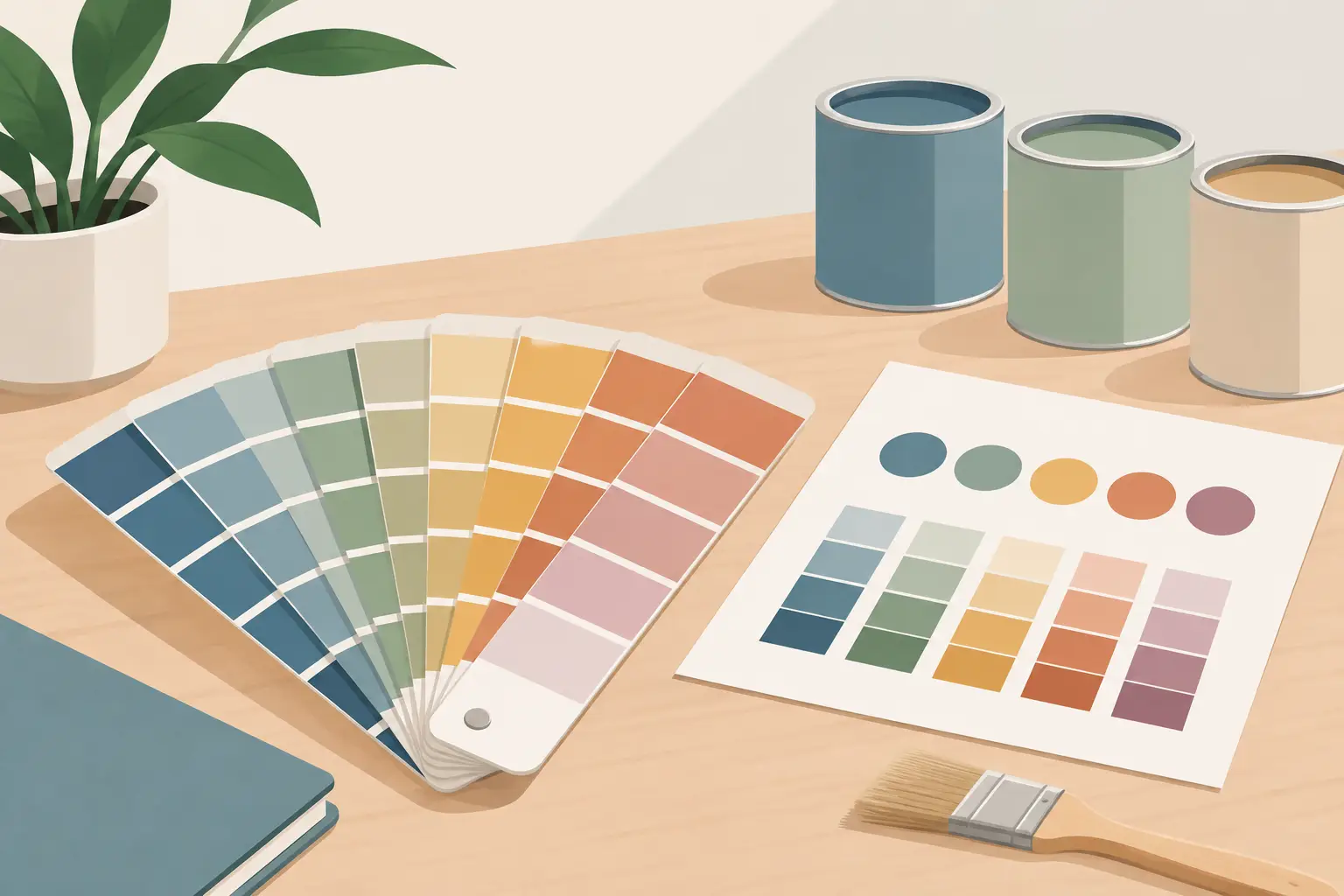
How to Make Paint Swatches That Teach You More
Learn how to make paint swatches that reveal opacity, undertones, tinting strength and handling, so every palette decision is better informed in practice.
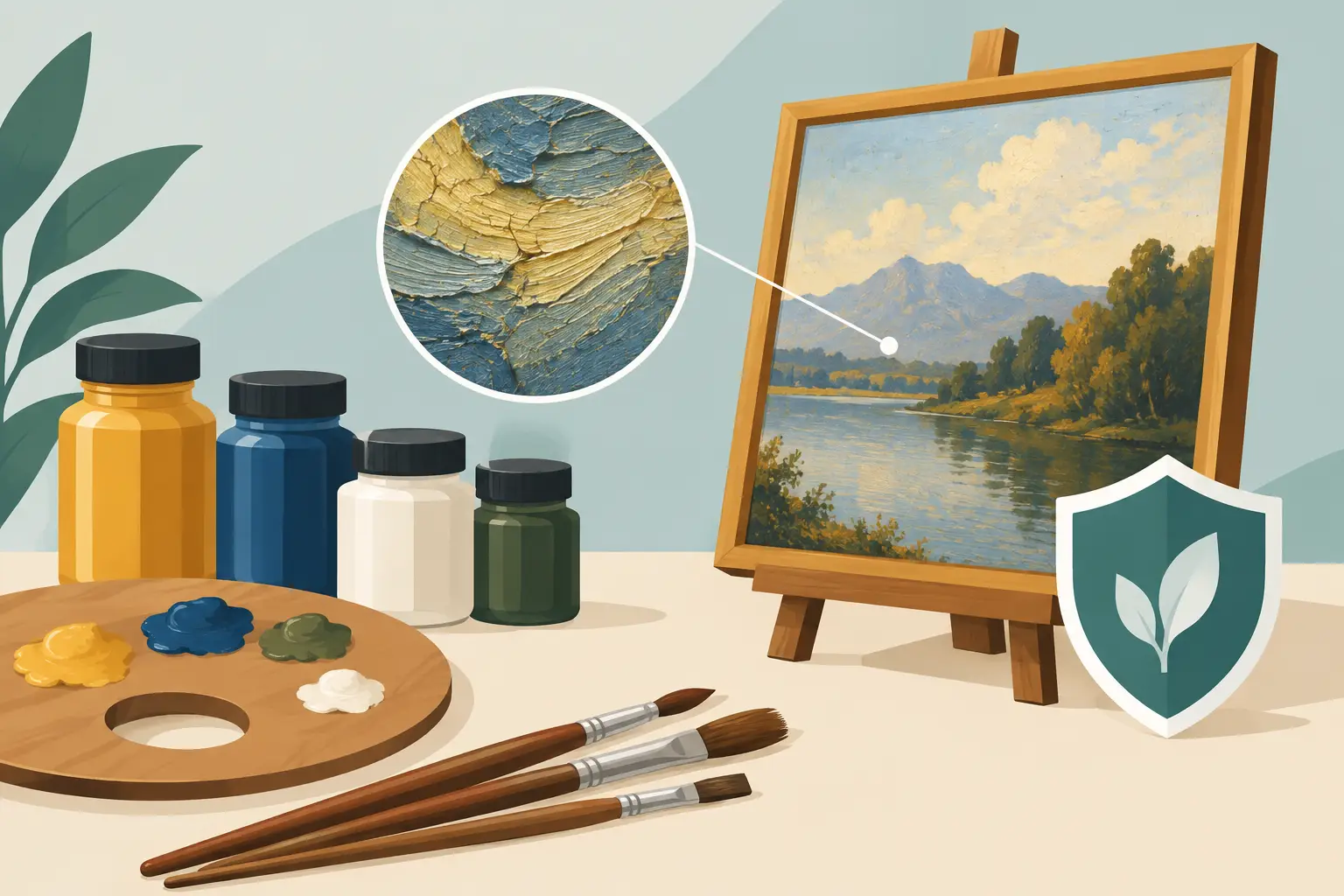
What Makes Paint Archival in a Painting?
What makes paint archival? Learn how pigment permanence, binders, lightfastness, grounds and sound studio practice protect a painting across generations.
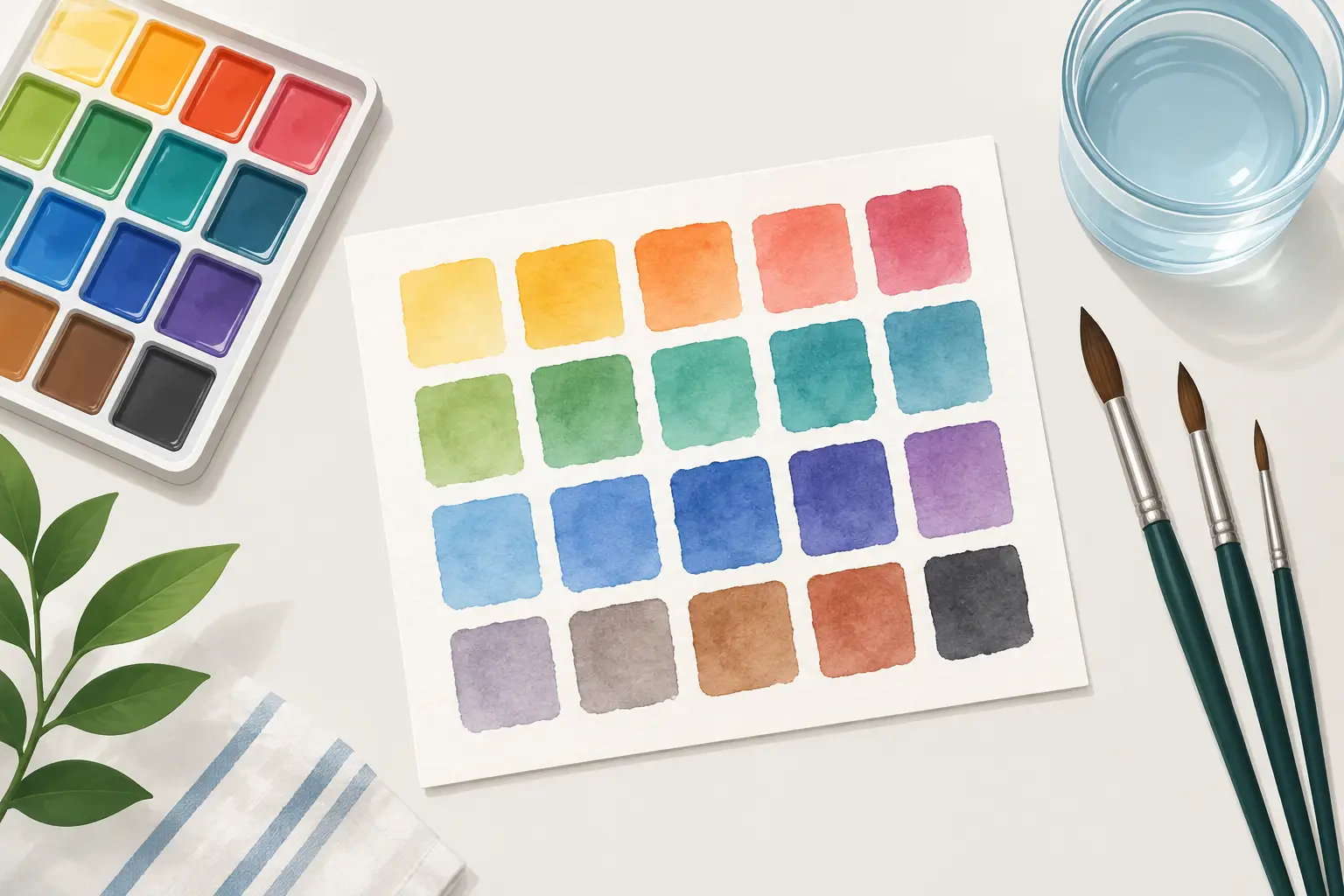
How to Prepare Watercolour Swatches Properly
Learn how to prepare watercolour swatches that reveal pigment strength, transparency, granulation and mixing behaviour for a more deliberate palette choice.
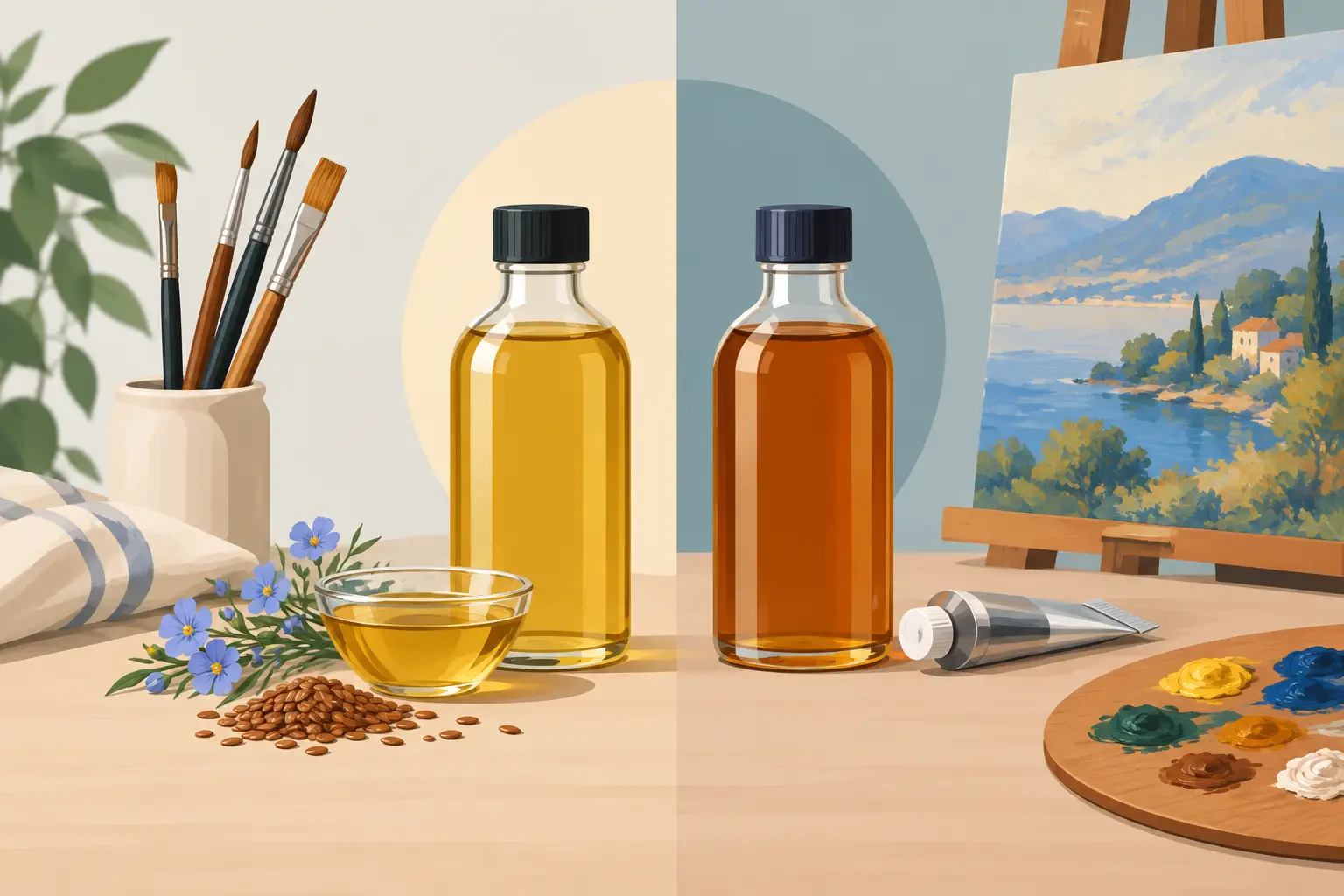
Linseed Oil Versus Alkyd for Oil Painting
Linseed oil versus alkyd: compare drying, gloss, handling, yellowing and film structure to choose a painting medium suited to your working method well.
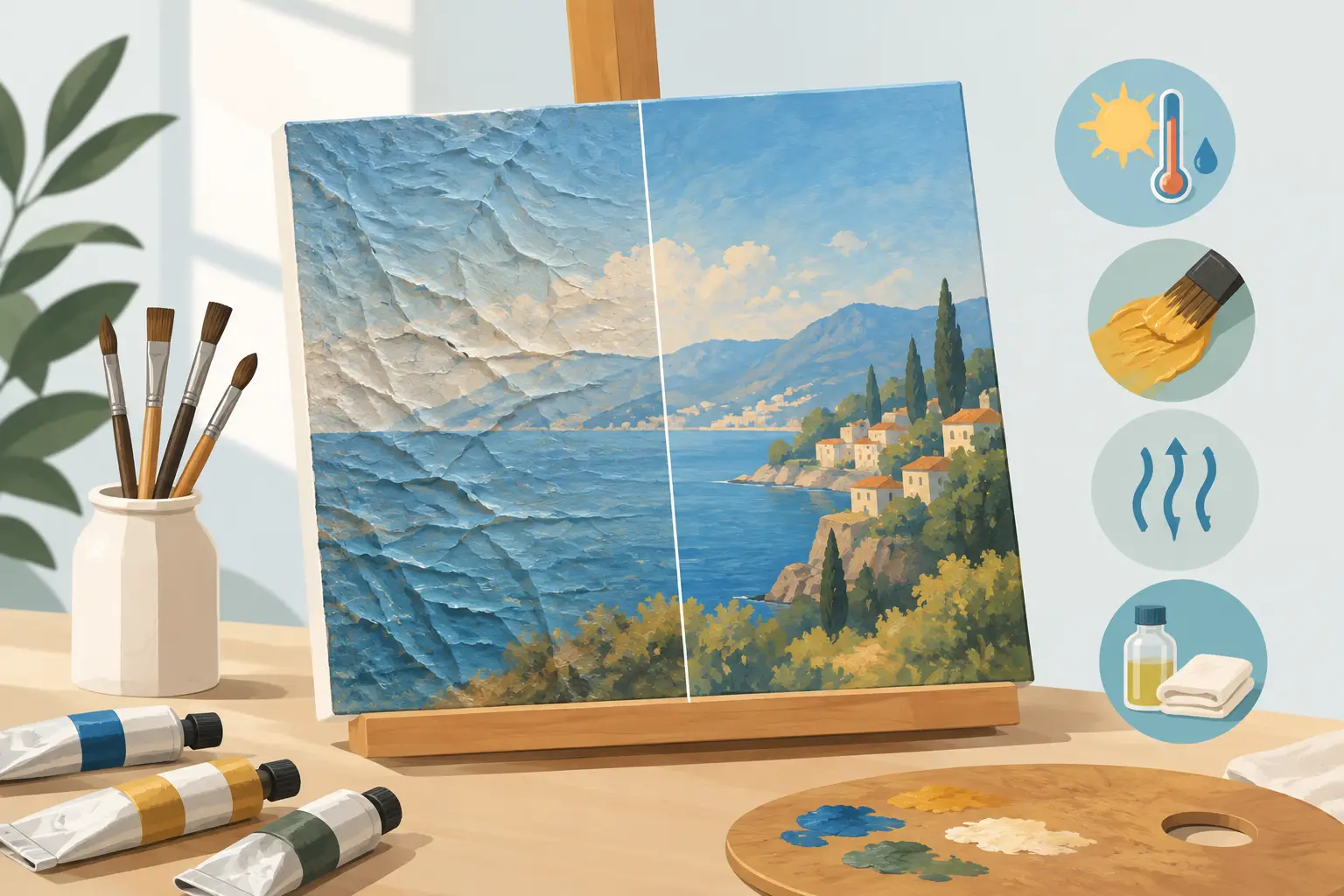
Why Do Oil Paints Wrinkle? Causes and Cures
Why do oil paints wrinkle? Learn what causes surface puckering, how film formation works, and how to prevent it in your painting practice more reliably.
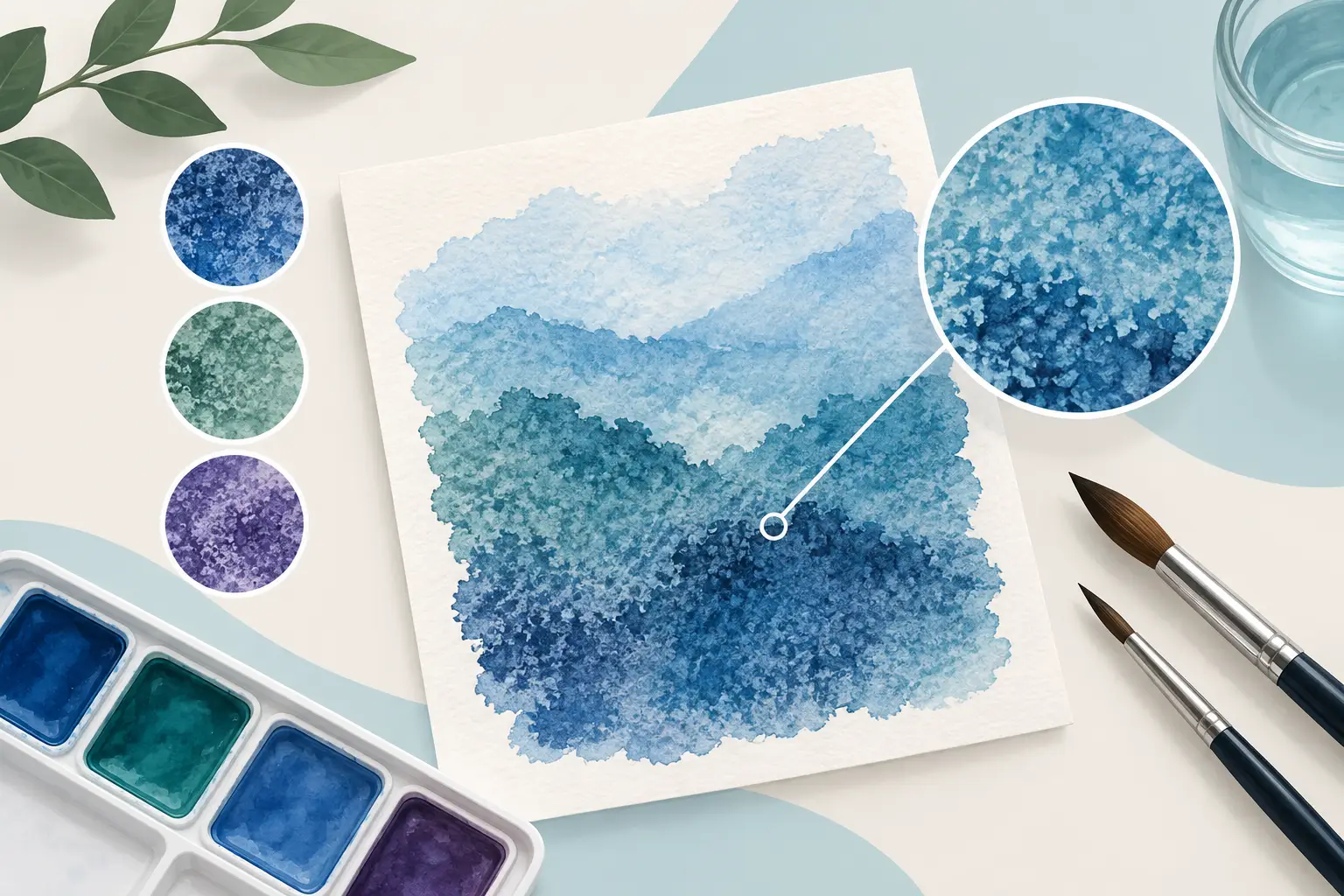
Why Do Pigments Granulate in Watercolour?
Why do pigments granulate in watercolour? Learn how particle size, pigment density, paper and water control create texture, and how to use it with care.
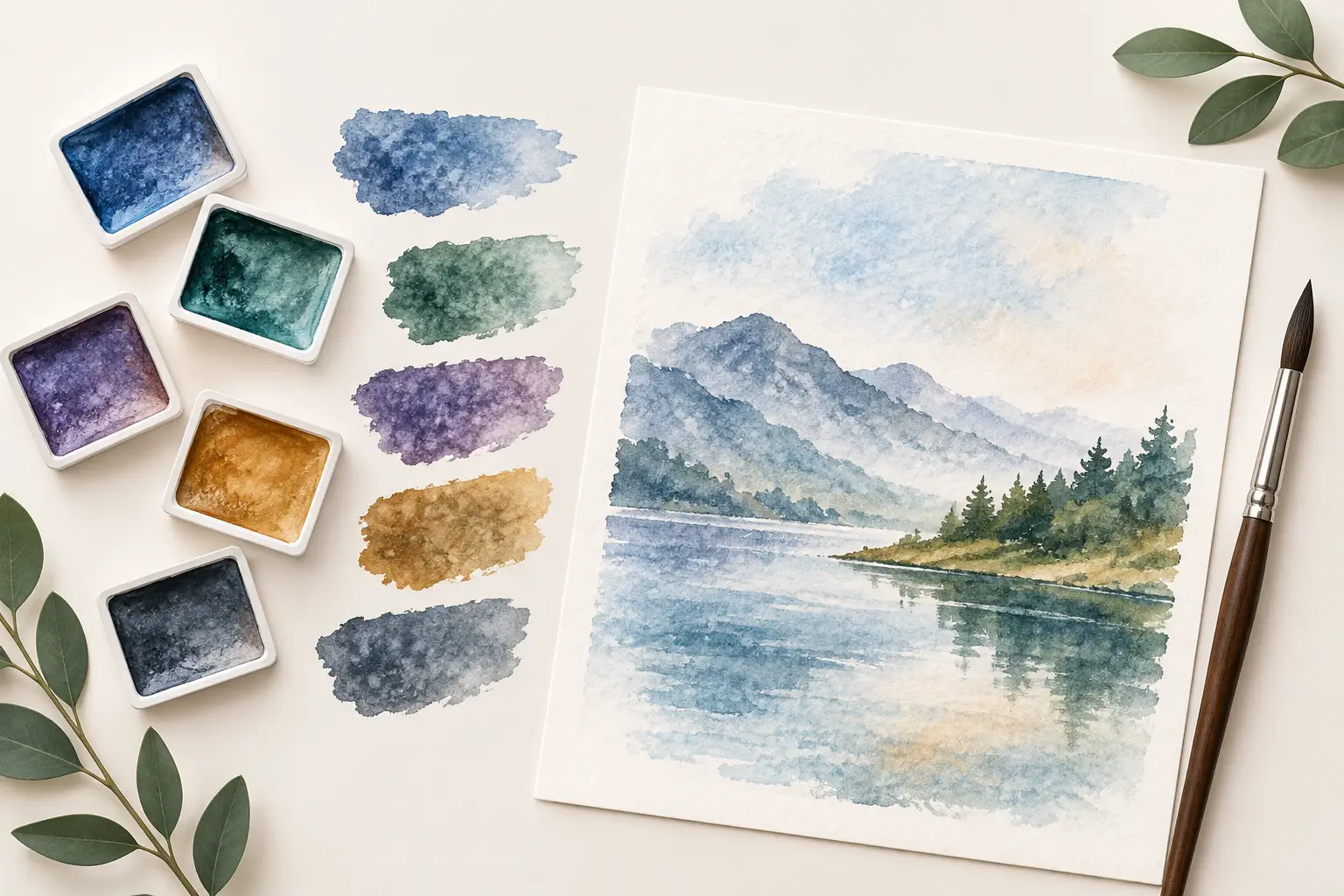
Essential Watercolour Granulating Colours
Choose essential watercolour granulating colours with confidence. Learn how pigment, paper, dilution and mixing shape their distinctive texture in practice.
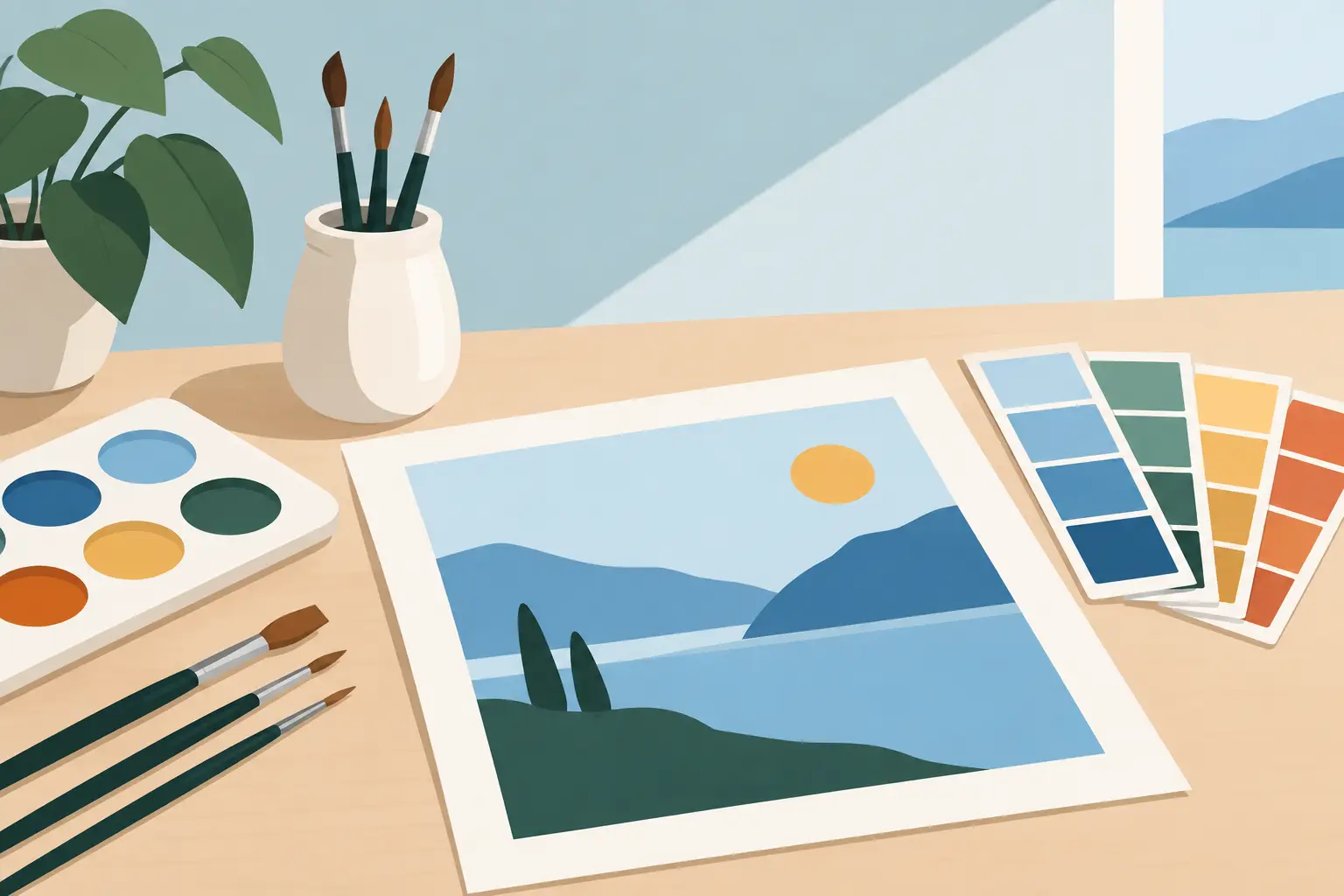
How to Plan a Limited Palette for Clearer Colour
Learn how to plan a limited palette with pigment-led choices that improve colour harmony, mixing control and confident painting decisions in the studio.
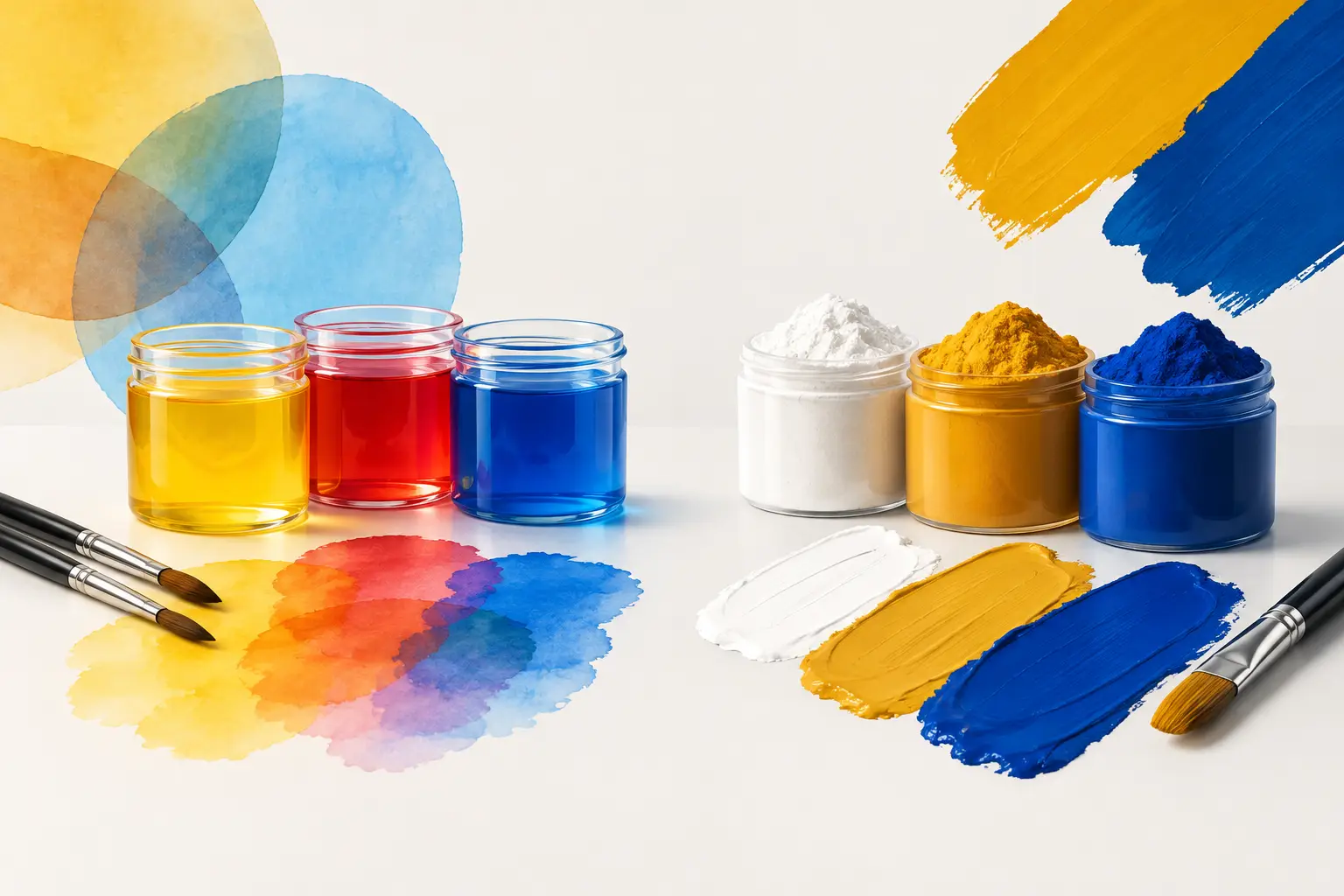
Transparent Opaque Pigments for Painters
Transparent opaque pigments are not a contradiction. Learn how opacity, tinting strength and film thickness shape glazing, mixing and light in oil paint.
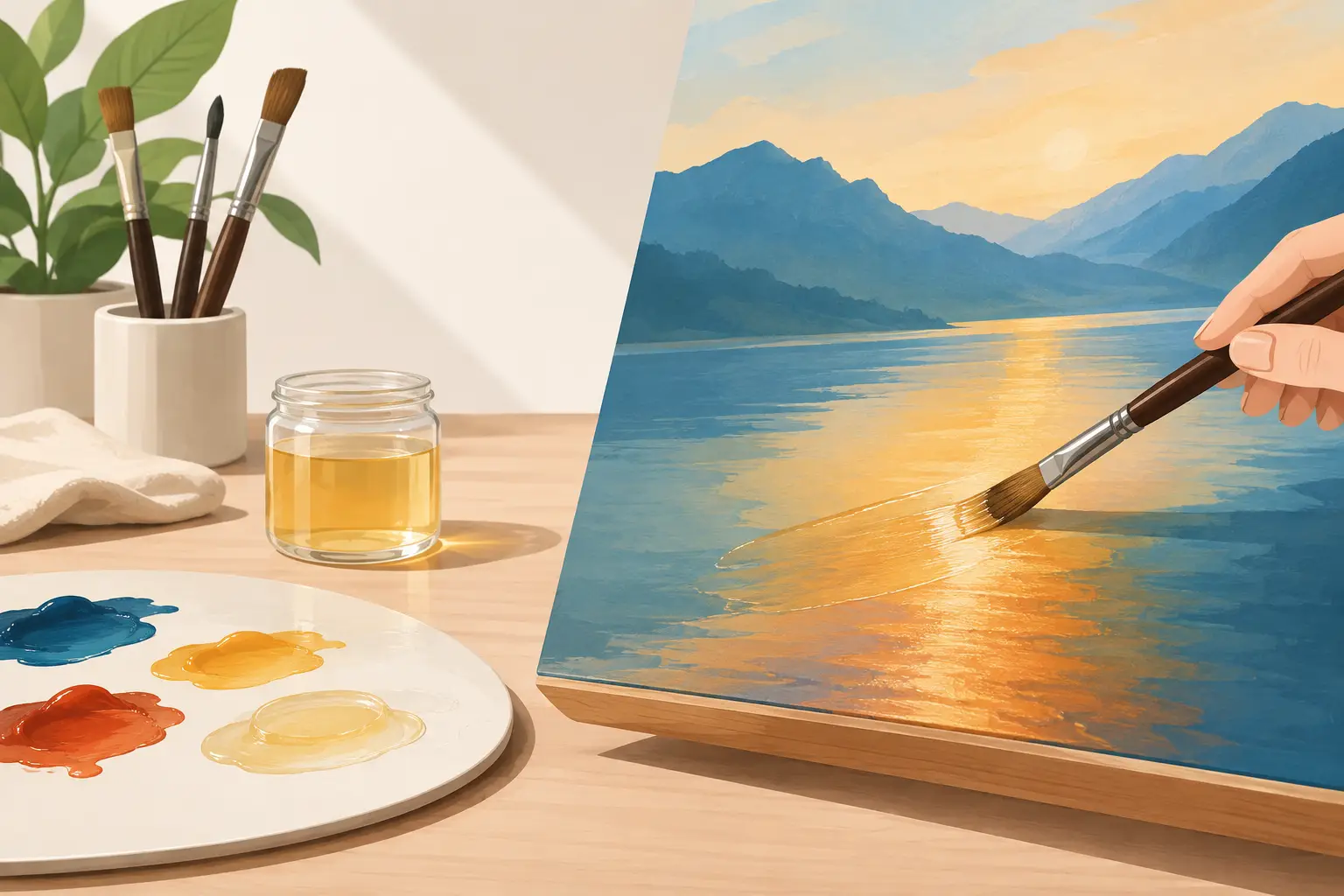
How to Glaze Oils for Luminous, Lasting Colour
Learn how to glaze oils with sound layering, measured medium use and pigment-aware choices for luminous colour, depth and lasting paintings that endure.
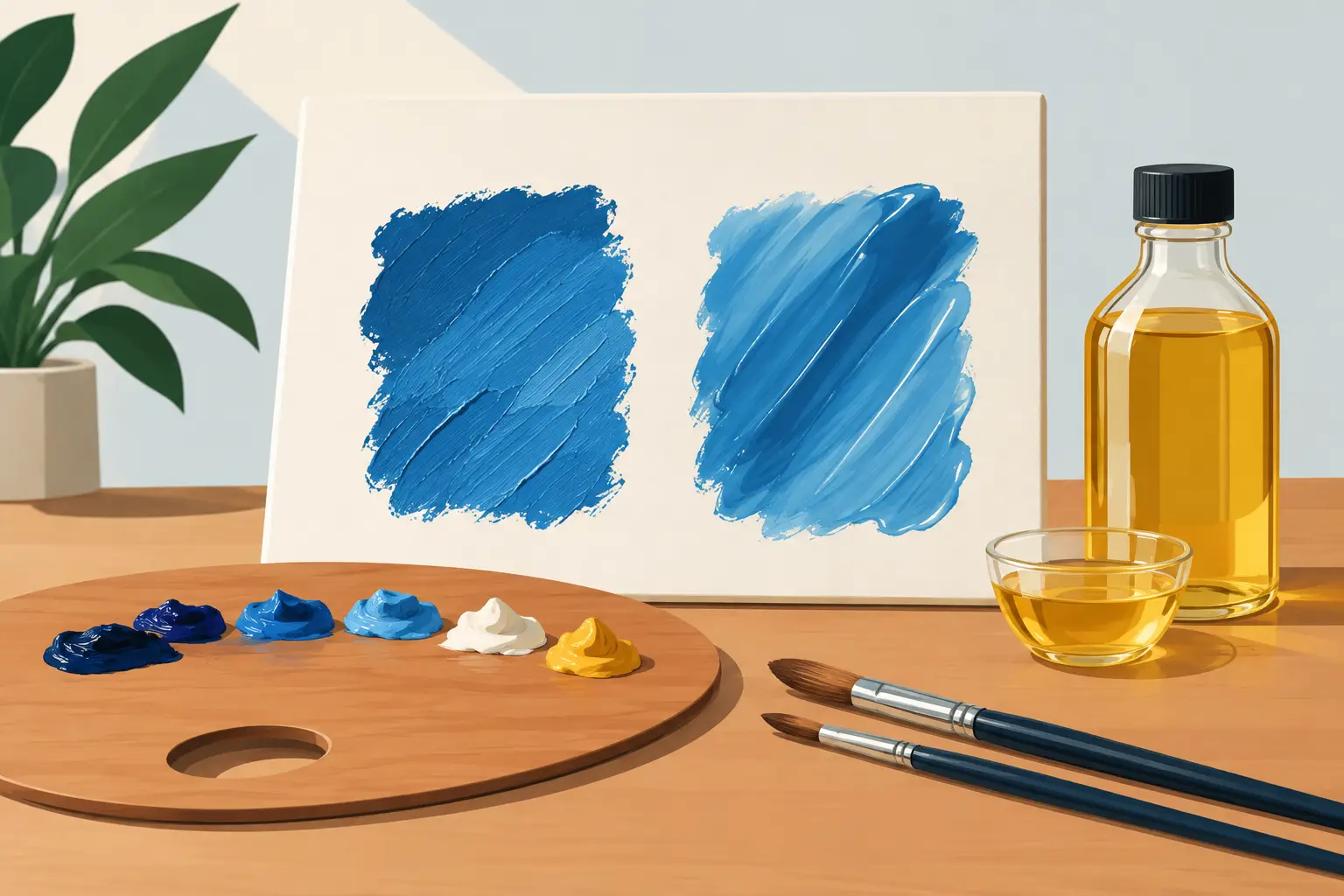
Oil Mediums: How They Change Paint Handling
Understand oil mediums, from linseed oil to alkyd gel, and choose the right balance of flow, gloss, drying time and paint-film strength for lasting work.

Student Versus Artist Grade Paint: What Changes?
Student versus artist grade paint differs in pigment, permanence, mixing and cost. Learn what each grade means, and choose materials for your practice wisely.
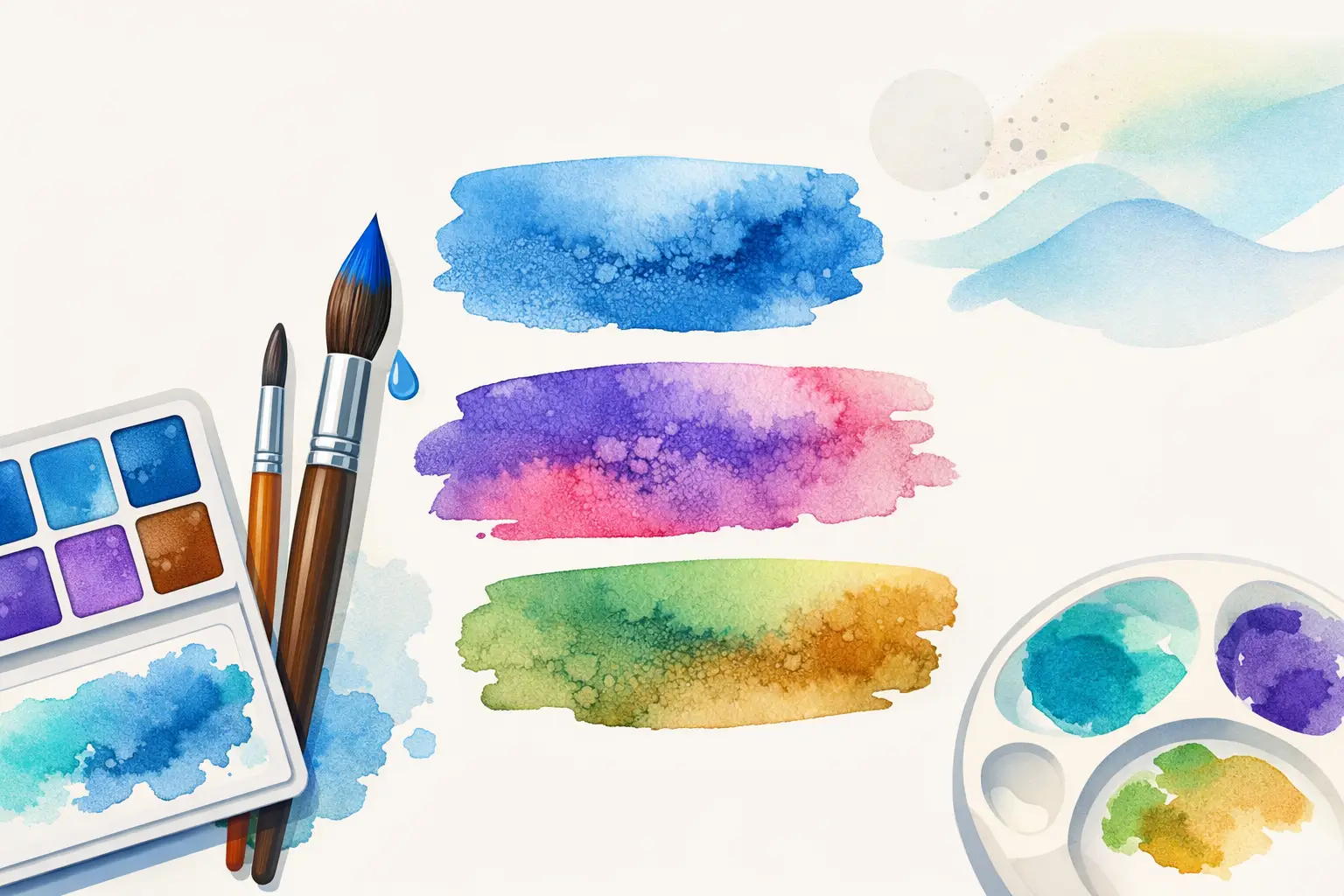
Watercolour Granulation Techniques That Work
Learn watercolour granulation techniques for textured washes, controlled blooms and pigment separation, with paper, water and layering advice.

How to Choose Professional Oil Paint Sets
Learn how to choose professional oil paint sets by pigment, palette, tube size and handling, so every colour earns its place in the studio with confidence.

Pigment Lightfastness Ratings for Painters
Pigment lightfastness ratings help painters select colours that retain their character over time. Learn how to read them and build a lasting paint palette.

How Oil Colours Help You Build a Better Palette
Choose oil colours by pigment, opacity, drying behaviour and mixing character. Build a working palette with clarity, control and greater confidence daily.

Watercolour Pigment Selection Guide for Painters
Use this watercolour pigment selection guide to build a purposeful palette, assess transparency, granulation, staining and reliable mixing for paintings.
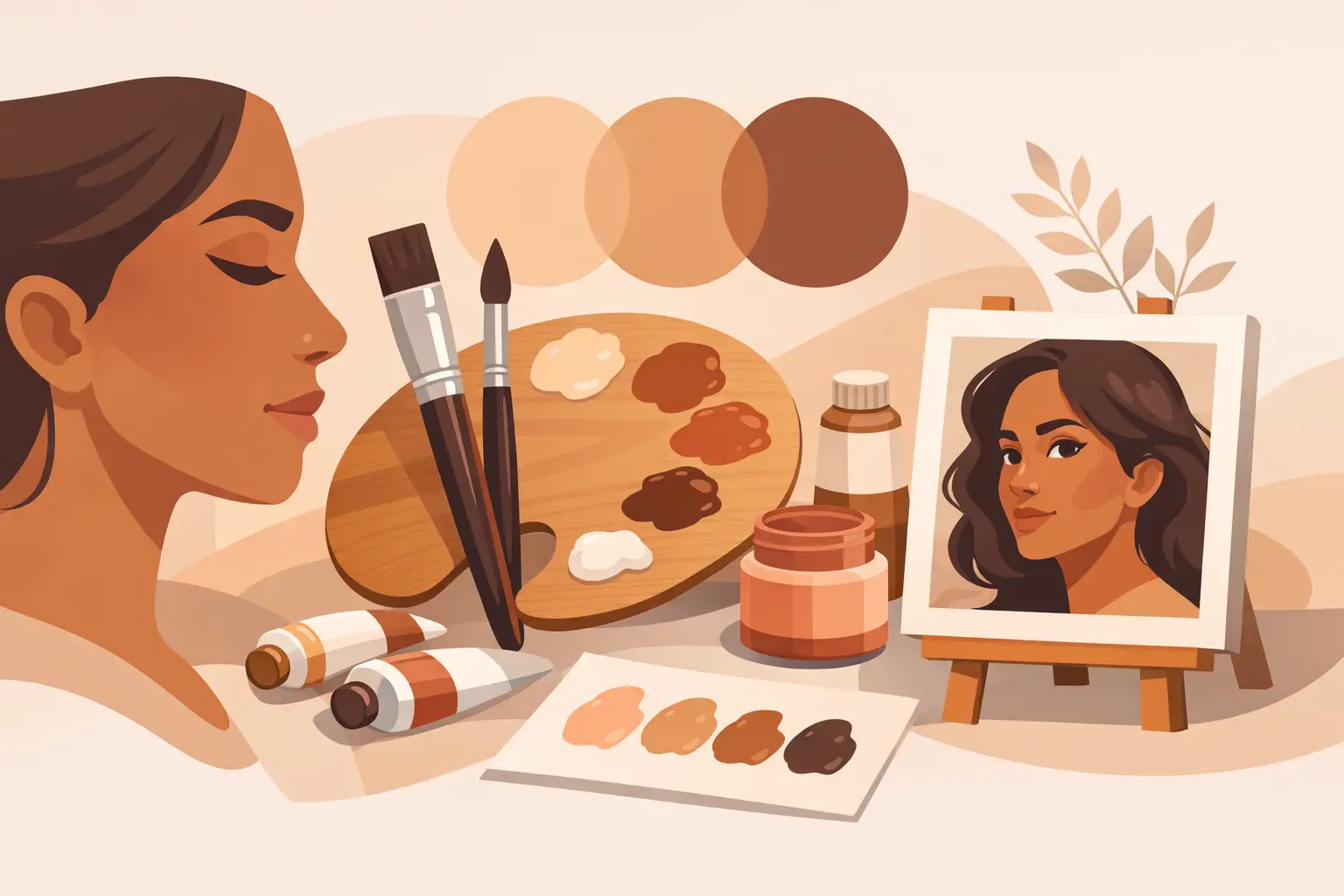
Best Pigments for Portraits and Natural Skin
Choose the best pigments for portraits with confidence: a practical guide to undertones, opacity, mixing, permanence and a disciplined working palette.
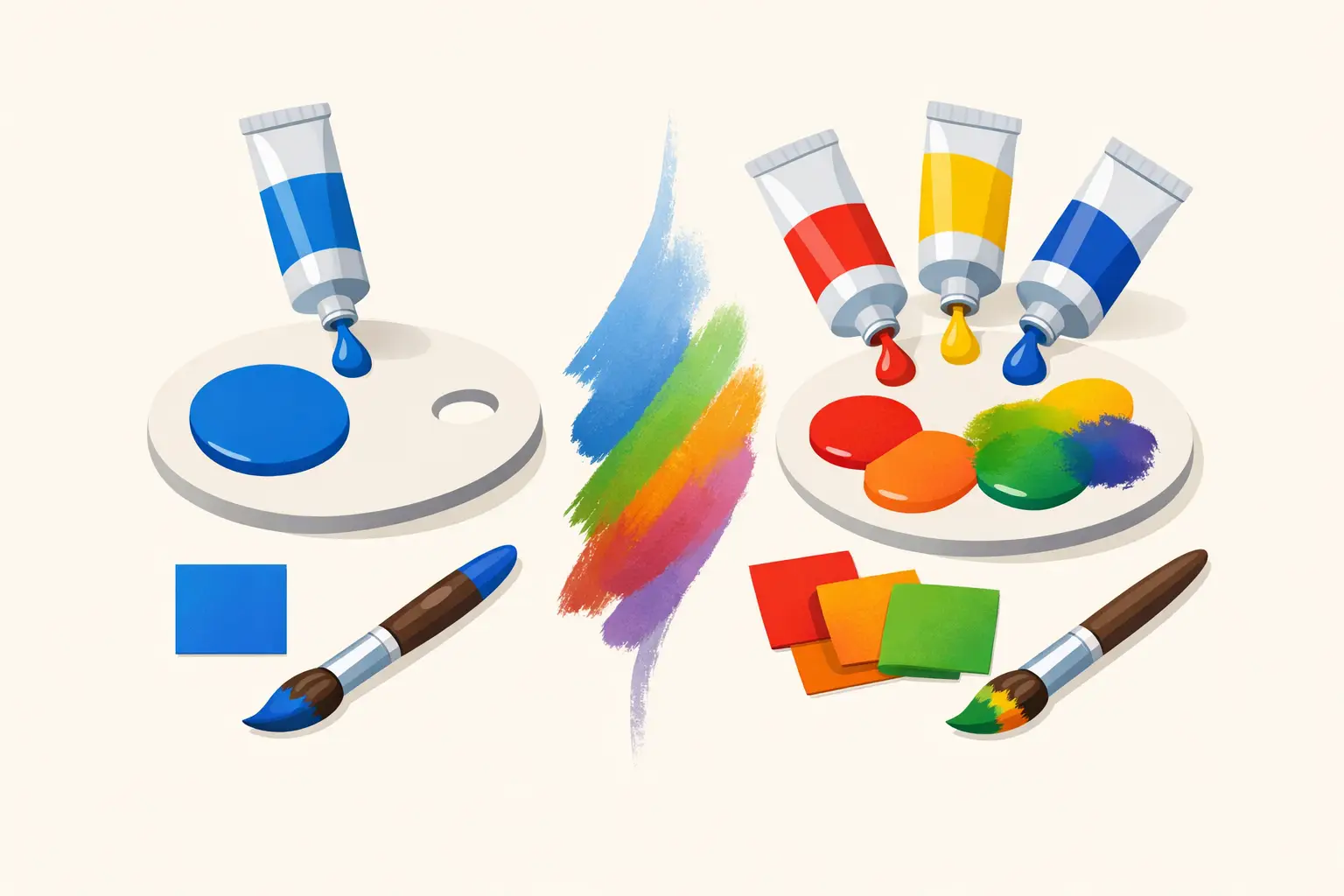
Single Pigment Versus Mixes for Better Painting
Single pigment versus mixes: learn how pigment choices affect clarity, greying, glazing and palette design in oil and watercolour painting daily practice.

Pigment Index Number Guide for Painters
This pigment index number guide helps painters read colour labels, compare pigments, avoid false equivalents and build a more purposeful palette in practice.

How to Choose Watercolour Paint Sets Well
Choose watercolour paint sets by pigment, palette structure and working method, so every colour earns its place in a serious painting practice with care.
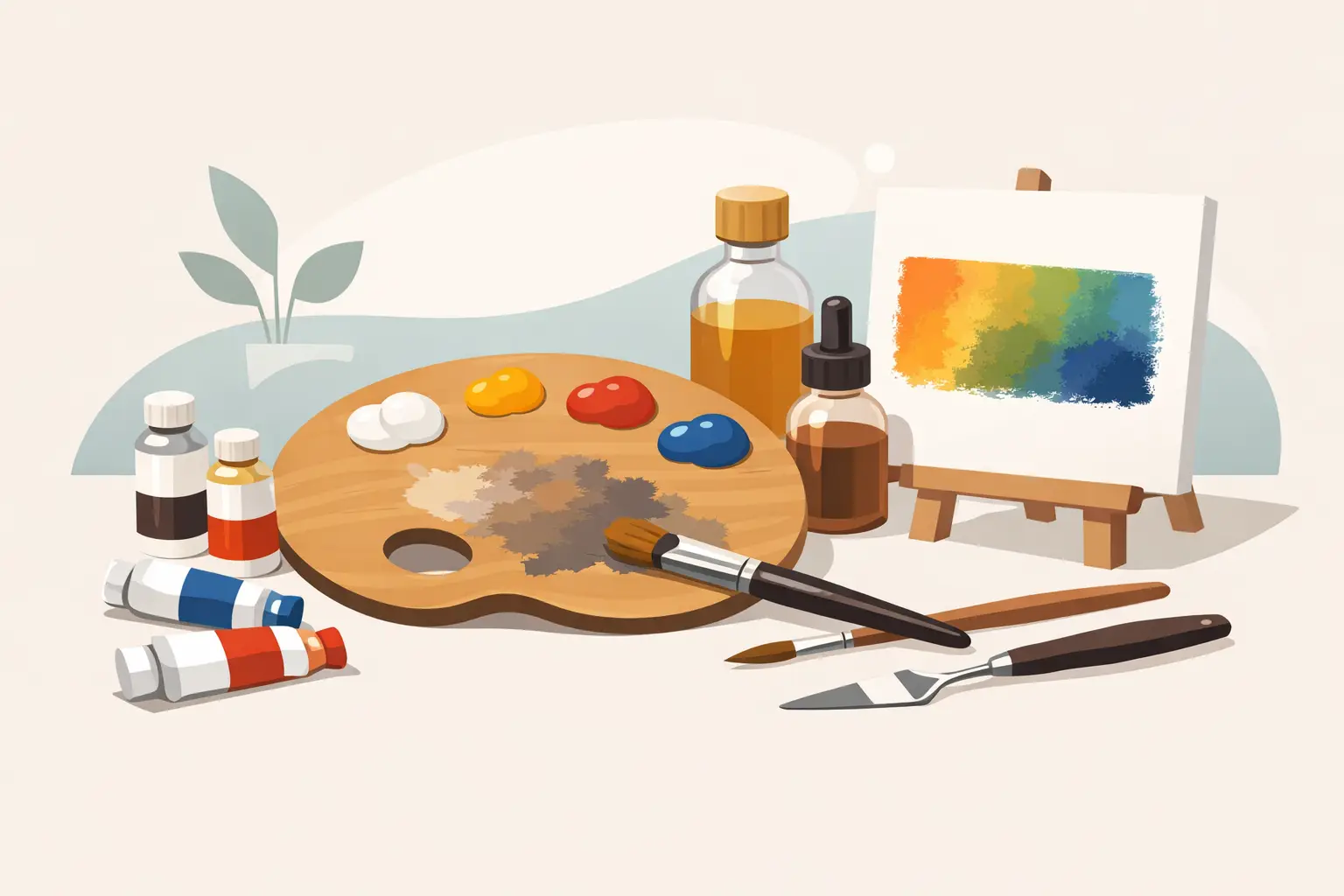
Limited Oil Palette for Better Colour Mixing
Learn how a limited oil palette improves colour mixing, value control and pigment knowledge, with practical guidance for building a serious studio set.

Oil Paint Colour Equivalents: Compare Properly
Oil paint colour equivalents are best chosen by pigment, opacity and handling. Learn how to compare names, mixes and palette roles with daily confidence.

How to Read Pigment Codes on Artists’ Paint
Learn how to read pigment codes on artists’ paint, from PY and PR to PB, and choose colours by composition, permanence, opacity and mixing in practice.
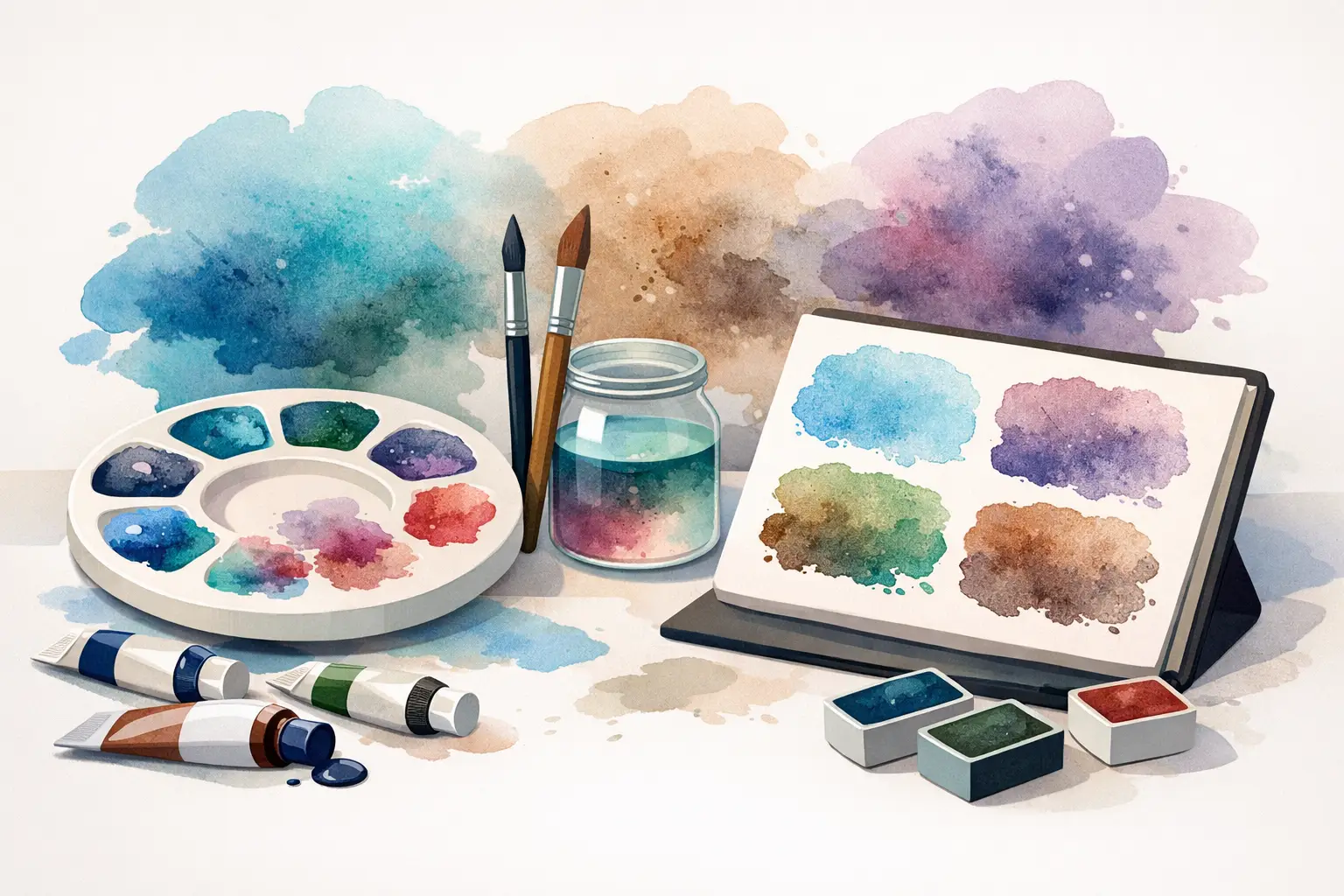
12 Best Granulating Watercolour Paints to Try
Find the best granulating watercolour paints for textured washes, mineral mixes and expressive skies, with pigment-led advice for building a fine palette.

How to Choose Watercolours for Your Palette
Learn how to choose watercolours by pigment, transparency, granulation and palette purpose, so every colour earns its place in your painting practice daily.
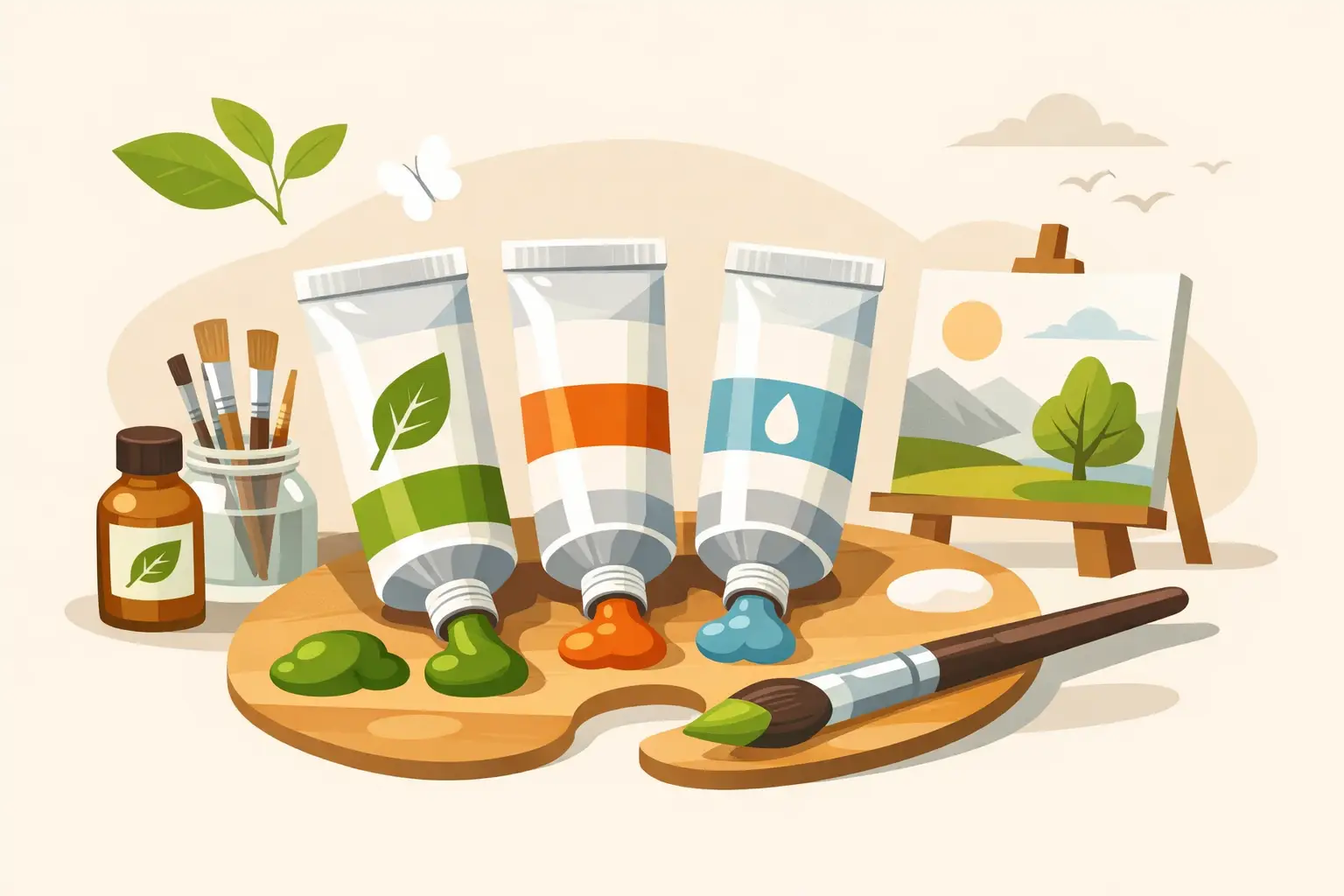
Choosing Non-Toxic Artist Oil Paints Wisely
Choose non-toxic artist oil paints with a clear view of pigments, binders, labels, studio practice - without compromising colour, handling or permanence.
Choosing Vegan Professional Oil Paints Well
Choose vegan professional oil paints with confidence: understand binders, pigments, labels and studio performance without compromising colour or handling.
Using a Solvent Free Oil Painting Medium
Learn how a solvent free oil painting medium changes flow, drying and gloss, and choose a considered method for sound, controlled oil painting practice.

Oil Paint Transparency Guide for Better Glazing
Our oil paint transparency guide explains pigment opacity, glazing, layering and mixing so you can select colours with greater control in the studio daily.
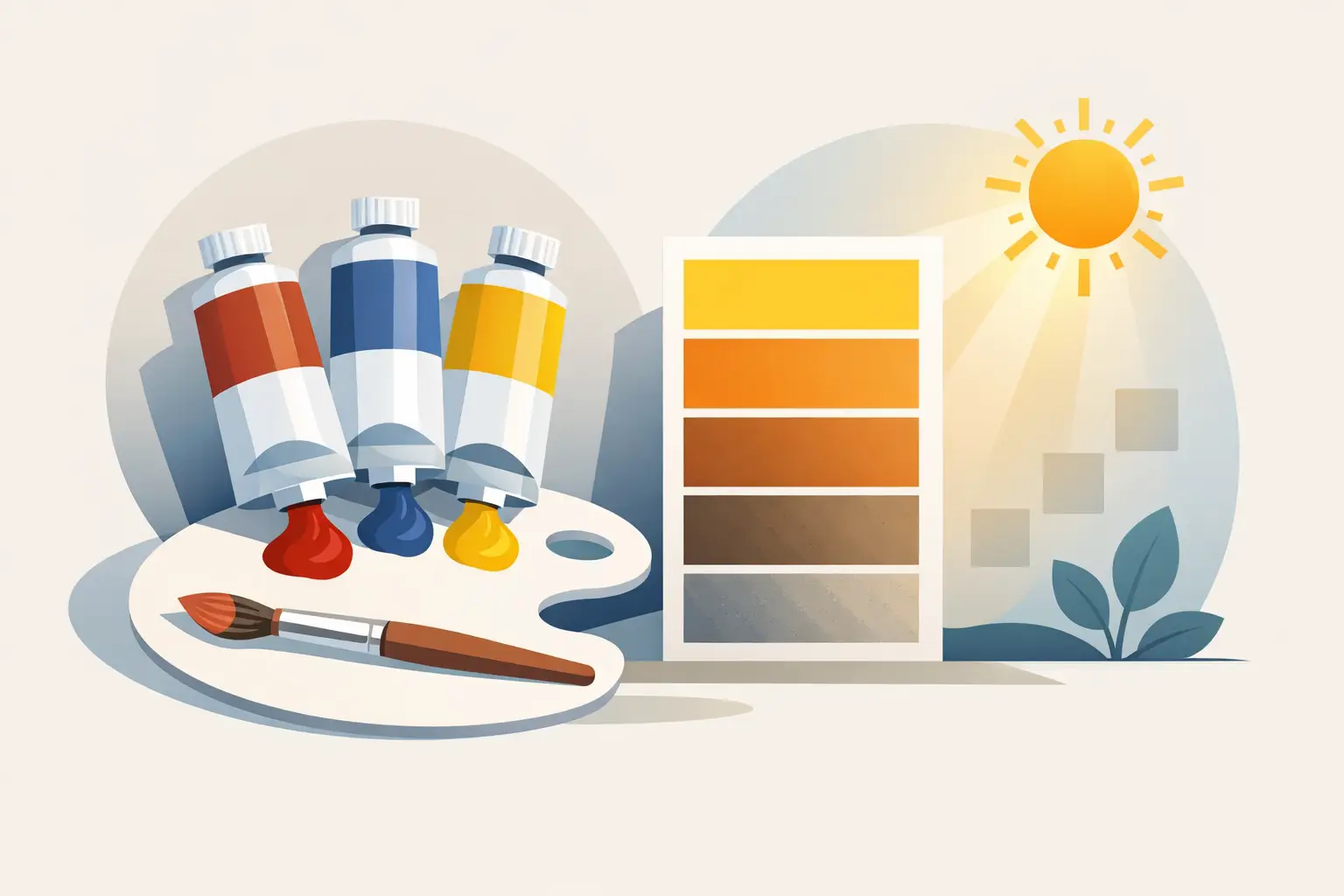
Oil Paint Lightfastness Ratings Explained
Understand oil paint lightfastness ratings, pigment permanence and practical palette choices, so your paintings retain their intended colour over time.

Why Single Pigment Oil Paints Build Better Palettes
Single pigment oil paints give painters clearer mixes, reliable colour decisions and a stronger understanding of every mark they place on the canvas itself.
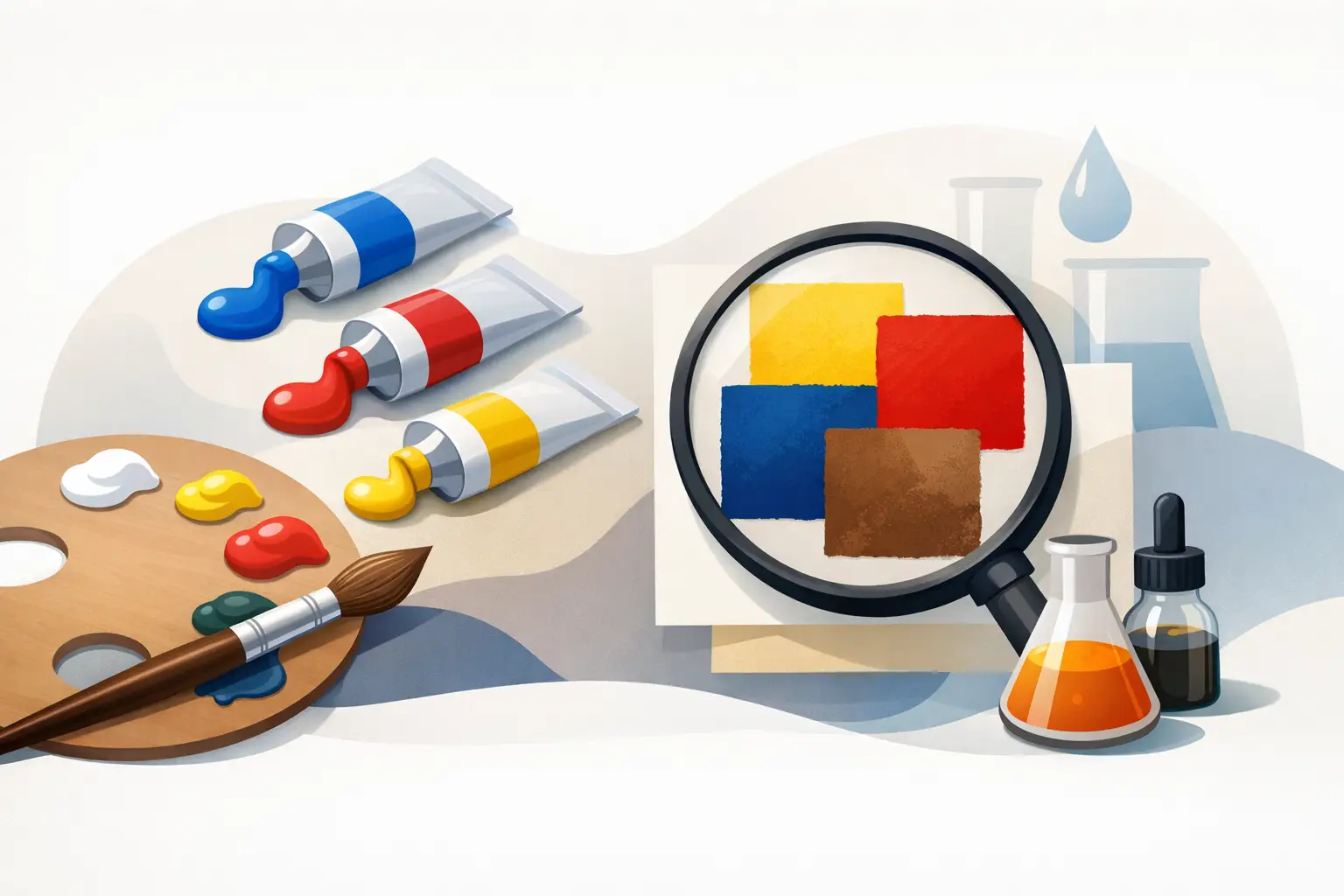
Oil Paint Pigment Index Guide for Better Choices
Use this oil paint pigment index guide to read Colour Index codes, compare pigment behaviour, and build a dependable, purposeful oil palette confidently.

How to Choose Oil Paint Colours for Your Palette
Learn how to choose oil paint colours by pigment, value, temperature and mixing behaviour, then build a durable palette suited to the way you paint well.