




We use essential cookies to run the site and optional analytics cookies to understand how you use it. Read our privacy policy.

Skip to content

40 New Anniversary Oil Colours - Now Available Explore Collections

Michael Harding
Studio Notes

Studio
Notes

Essays, technique guides, and stories from the Michael Harding studio - on pigments, mediums, materials, and the craft of oil painting. Filter by category, author, or topic.

Authors ·
Topics ·
Haidee-Jo Summers
Artist Feature ·

Haidee-Jo Summers

Haidee-Jo Summers is an accomplished British plein air and studio painter, celebrated for her vibrant depictions of gardens, landscapes, and seascapes. She…

Oiling out and Sinking In: An Interview with Michael Harding
Tutorial

Oiling out and Sinking In: An Interview with Michael Harding

By Abigail Lashbrook Topics: Artist Interview Oiling out is just a part of the process for a lot of artists, but if it’s overdone it can damage the quality of your painting, and frequently the need to oil out is completely avoidable. There

HRecommended Reading
Recommended Reading

Health & Safety

All Michael Harding oil paints have been tested and conform to the ASTM-D 4236 standards. The following industry-standard “best practices” should be observed when using any and all fine art oil paint products and media. Handling Paints and

Howard Hodgkin’s Review of Michael Harding Oil Paint
Recommended Reading

Howard Hodgkin’s Review of Michael Harding Oil Paint

MH in UK Government Parliamentary Review 2017
Blog Post

MH in UK Government Parliamentary Review 2017

MH in UK Government Parliamentary Review 2017

Michelle Wooderson
Artist Feature ·

Michelle Wooderson

Michelle Wooderson is an artist based in rural Kansas, where she finds inspiration in the landscapes around her. With a background in interior design and a…

Suzie Baker
Artist Feature ·

Suzie Baker

Suzie Baker is an accomplished plein air and studio artist based in Texas, known for her vibrant and expressive oil paintings. She captures the beauty of l…

Ricky Mujica
Artist Feature ·

Ricky Mujica

Ricky Mujica is an award-winning realist painter based in New York City, known for his masterful depictions of human emotion and beauty. With a background …

What Makes a Professional Watercolour?
Tutorial

What Makes a Professional Watercolour?

What separates a professional watercolour from a student one? Pigment load, single-pigment formulation, and disclosed lightfastness, transparency, granulation and staining — here is how to read a Michael Harding watercolour label and choose with certainty.

Layering - Coloured Priming
Tutorial

Layering - Coloured Priming

Layering - Coloured Priming

Makenzy Beard
Artist Feature ·

Makenzy Beard

Makenzy Beard is a young Welsh artist gaining recognition for her incredibly detailed and lifelike portraits. Despite her age, her work has garnered intern…

Henrik Uldalen
Artist Feature ·

Henrik Uldalen

Henrik Uldalen is a self-taught Norwegian artist, known for his emotive figurative paintings that explore themes like existentialism, loneliness, and the b…

Jeremy Lipking
Artist Feature ·

Jeremy Lipking

Jeremy Lipking is a celebrated American realist painter known for his stunning portraits and landscapes that evoke the romanticism of 19th-century masters …

About Linseed Oil
Recommended Reading

About Linseed Oil

Cold Pressed vs. Refined Linseed Oil and Its Drying Process IMPORTANT Safety Information Rags with linseed oil or paint stored in a pile should be considered a fire hazard because they provide a large surface area for oxidation. The oxidati

DRecommended Reading
Recommended Reading

Details & Descriptions of Colours

This section gives assessments for certain determinable characteristics of all the colours presently in my range, as well as a few informal remarks on their qualities and idiosyncrasies when used. Following the pattern already laid o

Details & Descriptions of Colours
Recommended Reading

Details & Descriptions of Colours

This section gives assessments for certain determinable characteristics of all the colours presently in my range, as well as a few informal remarks on their qualities and idiosyncrasies when used. Following the pattern already laid out on a

CRecommended Reading
Recommended Reading

Composition of Paint

If you think of paint as a two-part material, with the oil being the glue that binds the pigment particles into place, it is the pigment that is responsible for delivering the colour. The pigment must therefore have the following qualities:

How to Read an MH Label
Tutorial ·

How to Read an MH Label

Pigment code, series, lightfastness and the watercolour characters - what every part of a Michael Harding label means, for oil and watercolour.

Michael Harding Watercolours: Professional Artist Watercolours
Blog Post ·

Michael Harding Watercolours: Professional Artist Watercolours

Discover Michael Harding Watercolours — professional artist-quality watercolour paints created for painters who demand exceptional colour, beautiful pigment character and uncompromising quality. With a guide to choosing professional watercolours, building a palette, granulation, transparency and an FAQ.

Best Watercolour Paint: Professional vs Student Explained
Tutorial ·

Best Watercolour Paint: Professional vs Student Explained

What makes the best watercolour paint? We explain the real differences between professional and student watercolours - pigment load, single-pigment formulation, lightfastness and rewetting - so you can choose with confidence.

Painting the World and Inspiring Young Artists in Ghana
Artist Feature ·

Painting the World and Inspiring Young Artists in Ghana

For the last 4 years, I have been travelling and painting my way around the world. In September, my travelling studio and I were invited to Ghana to undertake a position as artist in residence for Arms Around the Child.

Watercolour Pigments Explained: Reading the Colour Index
Tutorial ·

Watercolour Pigments Explained: Reading the Colour Index

Learn to read the watercolour Colour Index (PB29, PV19, PY150...) and what each pigment code reveals about a paint's chemistry, lightfastness, granulation and mixing behaviour.

When To Varnish?
Tutorial ·

When To Varnish?

Chuck Mauldin, an accomplished artist and chemist, investigates when is the correct time to apply varnish to an oil painting - a subject that has puzzled artists for generations.

Lightfastness in Watercolour: A Guide to Permanent Colour
Tutorial ·

Lightfastness in Watercolour: A Guide to Permanent Colour

A practical guide to watercolour lightfastness - ASTM ratings, the Blue Wool scale, fugitive pigments to avoid, and how to choose permanent colours for work meant to last.

Granulation in Watercolour: Why Pigments Behave Differently
Tutorial ·

Granulation in Watercolour: Why Pigments Behave Differently

Granulation is the texture that makes some watercolours sediment and granulate on paper. Here is why it happens, which pigments granulate, and how to use it for skies, landscape and texture.

Transparency and Opacity in Watercolour
Tutorial ·

Transparency and Opacity in Watercolour

Transparency and opacity in watercolour explained - how to read it, why it matters for glazing and layering, and which pigments suit your subject.

Staining and Non-Staining Watercolours: Lifting and Layering
Tutorial ·

Staining and Non-Staining Watercolours: Lifting and Layering

Staining and non-staining watercolours behave very differently on paper. Learn how staining pigments affect lifting, layering and stubborn colour, and when to use each.

How to Build a Professional Watercolour Palette
Tutorial ·

How to Build a Professional Watercolour Palette

A practical method for building a professional watercolour palette - warm and cool primaries, granulating earths, staining accents, and how to choose the right colours for your subject.

Watercolour Mixing: Clean Colour and Avoiding Mud
Tutorial ·

Watercolour Mixing: Clean Colour and Avoiding Mud

How to mix clean watercolour colour and avoid mud - single-pigment mixing, complementary pairs, the role of transparency, and a simple method for predictable mixing.

Watercolour Techniques: Wet-on-Wet, Glazing, Dry Brush and More
Tutorial ·

Watercolour Techniques: Wet-on-Wet, Glazing, Dry Brush and More

The core watercolour techniques - wet-on-wet, wet-on-dry, glazing, dry brush, lifting and charging - explained with when to use each and the pigments that suit them.

Watercolour for Beginners: Where to Start
Tutorial ·

Watercolour for Beginners: Where to Start

New to watercolour? A clear beginner's guide to the paints, a starter palette, paper and brushes, and your first techniques - plus how to upgrade from student to professional.

Watercolour for Botanical Painting: Choosing Pigments and Palettes
Tutorial ·

Watercolour for Botanical Painting: Choosing Pigments and Palettes

Watercolour for botanical painting - the transparent, single-pigment colours and techniques botanical artists rely on, with a recommended botanical palette.

Watercolour for Landscape and Skies
Tutorial ·

Watercolour for Landscape and Skies

Choosing watercolour for landscape and skies - granulating blues, atmospheric washes, earths and greens, with a recommended landscape palette and techniques.

Do's and Don'ts of Technique
Tutorial ·

Do's and Don'ts of Technique

Essential advice on the versatility of oil paint - choosing supports, preparing priming, sealant size, and the fundamental norms that ensure long-lasting results.

About Linseed Oil
Blog Post ·

About Linseed Oil

We often get asked if our linseed oil is cold pressed or refined - the answer is, it is both!

CBlog Post
Blog Post ·

Colour and Technique

Painting technique is a dauntingly large and rather vague subject to discuss. We could provisionally define 'technique' as the skills involved in accomplishing a specific artistic intent.

What Makes Michael Harding Watercolours Unique?
Blog Post ·

What Makes Michael Harding Watercolours Unique?

Meticulously ground for vividness and clarity, with 134 hues including 92 single pigment shades - purposefully curated for bright, pure colour blends.

Composition of Paint
Blog Post ·

Composition of Paint

If you think of paint as a two-part material, with the oil being the glue that binds the pigment particles into place, it is the pigment that is responsible for delivering the colour.

Do You Add a Preservative to Your Watercolours?
Blog Post ·

Do You Add a Preservative to Your Watercolours?

Preservatives, Oxgall, gelatine, gum Arabic sourcing from the Sahel, pigment quality control, fugitive pigments, and lightfastness testing.

DBlog Post
Blog Post ·

Details & Descriptions of Colours

This section gives assessments for certain determinable characteristics of all the colours presently in my range, as well as a few informal remarks on their handling.

FBlog Post
Blog Post ·

Flying with your MH Paints

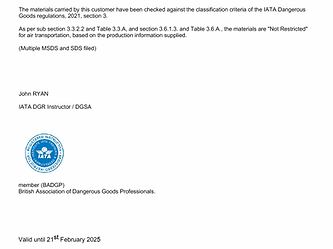
Download your printable PDF to use when flying with MH paints - a notice for airport security personnel.

Are Michael Harding Watercolours Lightfast?
Blog Post ·

Are Michael Harding Watercolours Lightfast?

Yes - Michael Harding watercolours are lightfast and have received an excellent rating. Information can be found on the product label or official website.

What Are Your Watercolour Primary Colours?
Blog Post ·

What Are Your Watercolour Primary Colours?

Our three most popular watercolour primary colours: Ultramarine Blue, Yellow Lake, and Scarlet Lake.

HBlog Post
Blog Post ·

Health & Safety

All Michael Harding oil paints have been tested and conform to the ASTM-D 4236 standards. The following industry-standard best practices should be observed.

Howard Hodgkin's Review of Michael Harding Oil Paint
Artist Feature ·

Howard Hodgkin's Review of Michael Harding Oil Paint

The colours are superb, also the weight and texture seem to be exactly what I want - it's difficult to imagine anything else.

Lapis Lazuli: An Article by David Margulies
Recommended Reading ·

Lapis Lazuli: An Article by David Margulies

Lapis lazuli was described by Pliny the Elder as 'a fragment of the starry vault of heaven'. It is, and always has been, the most exotic of semi-precious stones and pigments.

MH in UK Government Parliamentary Review 2017
Artist Feature ·

MH in UK Government Parliamentary Review 2017

Michael Harding Art Formulas is featured in the UK Government Parliamentary Review 2017.

PBlog Post
Blog Post ·

Product Concerns Form for Consumers

At MH, we are committed to providing our customers with high-quality products. If you have any concerns regarding our products, we want to hear from you.

RRecommended Reading
Recommended Reading ·

Recommended Reading (Booklist)

Essential books for artists - a curated reading list from Michael Harding on pigments, materials, and technique.

TTutorial
Tutorial ·

Ten Artist Tips!

Artist And Illustrator magazine featured a piece from Michael about the use and care of his paints - ten essential tips for oil painters.

The History and Use of Mediums
Blog Post ·

The History and Use of Mediums

Through the Renaissance, artists worked with combinations of tree resins, thickened vegetable oils, waxes and balsams. The basic desire to create an oil paint film with a degree of gloss and depth seems to be a constant.

The Art of Colour
Artist Feature ·

The Art of Colour

An exclusive interview with Michael Harding, the master paint maker behind some of the most exceptional oil paints in the market.

Oiling Out and Sinking In: An Interview with Michael Harding
Artist Feature ·

Oiling Out and Sinking In: An Interview with Michael Harding

Oiling out is part of the process for many artists, but if overdone it can damage the quality of your painting. Michael Harding discusses causes of dulling and sinking in.

Michael Harding Sample Set
Project ·

Michael Harding Sample Set

MH Sample SetThe Michael Harding Set Contains:These sample colours have been hand-selected by Michael Harding to give you a beautiful introduction to the endless mixing possibilities available when using his paints. The Michael Harding range contains superb, modern lightfast and ancient oil colours.

Storing Paint Tubes
Project ·

Storing Paint Tubes

Over time pigment may separate from oil in the tube. To resolve this situation store your tube upright on the cap to ‎allow gravity to pull the heavier pigment to the cap. This will alleviate oil from seeping out when the cap is opened.‎ Remember to wipe away paint that may be around the neck [&hell

Working with Paint: An Interview with Michael Harding
Project ·

Working with Paint: An Interview with Michael Harding

Working with Paint: An Interview with Michael Harding By Abigail LashbrookTopics: Art Inspiration My main motive for producing paint came out of looking at Rembrandt. As a young artist just out of art school, I wanted to paint like him and I couldn’t reproduce, with my materials, what I saw in his p

Stack Lead White the Reincarnation of Rembrandt's Lead White? By Michael Harding
Project ·

Stack Lead White the Reincarnation of Rembrandt's Lead White? By Michael Harding

Imagine for a moment that we are in Rembrandt’s studio. What would we learn, what would we see? Obviously genius in the making! To some he may be on a human scale of a god in his domain. On a more grounded level what can we glean from his studio practices? His materials for me would unlock many secr

Where can I buy Michael Harding watercolours?
Project ·

Where can I buy Michael Harding watercolours?

FAQ - Watercolour Where can I buy Michael Harding watercolours? Thank you for your interest in purchasing Michael Harding watercolours. To find a local stockist near you, we recommend visiting our Watercolour Store Locator, available here: The Watercolour Store Locator is a convenient tool that allo

Watercolour FAQ: Sustainability
Project ·

Watercolour FAQ: Sustainability

FAQ - Watercolour: Sustainability Q- Is the company committed to minimizing chemical additives in its products? Answer: MH is committed to producing high-quality watercolour paints with a focus on using only the essential ingredients necessary for creating watercolour paint. Our goal is to provide p

Non-Absorbent Acrylic Primer - FAQ
Project ·

Non-Absorbent Acrylic Primer - FAQ

FAQ - Non-Absorbent Acrylic Primer Q: What is Michael Harding Non-Absorbent Acrylic Primer used for? A: Michael Harding Non-Absorbent Acrylic Primer (NAAP) is a versatile product suitable forapplication on various surfaces, including linen, wood, MDF, and more. It is designed tocreate a robust, flex

When To Varnish? By Chuck Mauldin
Project ·

When To Varnish? By Chuck Mauldin

We have had many requests to create a Munsell Wheel from the Michael Harding Oil Range, so we reached out to our wonderful ambassador Vicki Norman.

WProject
Project ·

Wet-and-Wet Mixing

This is a common term for method (i)above, and is clearly the one familiar to most painters today. It must seem self- evident to us that mixing distinct colours (e.g blue and yellow) produces others, but to the medieval artist this appears to have been unknown. Since glazing alone could not create a

SProject
Project ·

7. Slow Drying Paint

One can think of this as a particular application of the treatment of the flexibility/inflexibility rule given above. It is apparent to anyone using a variety of oil paints that, even in identical conditions, drying speeds will vary greatly between them. Burnt Umber can be touch dry by the end of a

PProject
Project ·

2. Prepare to Support to Suit the Priming

Usually, artists think about the choice of priming as they make their choice of support. The priming can be defined as the liquid application that, when dry, to some extent isolates paint layers from the support. This is necessary in the cases of wood and canvas, which, in their untreated states, ar

DRecommended Reading
Recommended Reading ·

Download MH Oil Colour & Mediums Brochure

Munsell Colour Wheel and Colour System
Recommended Reading ·

Munsell Colour Wheel and Colour System

UProject
Project ·

6. Use Medium as a Help, not as a Panacea

A medium can be defined as a pre-mixed blend of a drying oil, possibly a resin, and possibly a turpentine vehicle, which is commonly added to the later layers of paint in a work, so as to facilitate handling, and/or enable transparency of layers, and/or increase the gloss and colorific intensity of

UProject
Project ·

5. Use Appropriate Thinners

This is merely a short but necessary clarification to the previous references to diluents. “Thinners”, as a term, covers both what is used to clean brushes, and what is used to dilute paint for artistic purposes. Whilst standard decorators’ quality White Spirit is satisfactory for brush-washing at t

PProject
Project ·

Preparing Sealant Size

As is evident, a semi-absorbent layer of size is necessary for both oil and gesso primings. Art shops will sell size of sufficient quality for this purpose; decorators’ “size” sold in DIY stores may not be good enough, and may not be rabbit-skin glue at all. Size is available in granule or in sheet

Lapis Lazuli an article by the renowned authority David Margulies
Recommended Reading ·

Lapis Lazuli an article by the renowned authority David Margulies

FProject
Project ·

4. Fat over Lean

This old maxim concisely expresses how, generally speaking, a successful and durable painting is developed. I say “generally” because there are instances of great painters bending this maxim to conspicuous effect, but nevertheless to ignore it is to court disaster. It could be clarified by paraphras

GProject
Project ·

Glazing - The Venetian Tradition

In the hands of 16th century Venetian and some central Italian artists glazing methods were adapted to attain more adventurous effects. These tended to use the mixing principles stipulated in the previous section., and usually presupposed an overall coloured priming, on which highlights of the motif

Stack Lead White the Reincarnation of Rembrandt's Lead White? By Michael Harding
Recommended Reading ·

Stack Lead White the Reincarnation of Rembrandt's Lead White? By Michael Harding

JRecommended Reading
Recommended Reading ·

Juxtapositional Mixing

LRecommended Reading
Recommended Reading ·

Living Craft, A Painter's craft by Tad Spurgeon

ARecommended Reading
Recommended Reading ·

Artists' Pigments (A Handbook of Their History and Characteristics) Robert L. Feller, Editor. National Gallery of Art, Washington.

FRecommended Reading
Recommended Reading ·

Formulas for Painters, Robert Massey.

IRecommended Reading
Recommended Reading ·

Inorganic Pigments

TRecommended Reading
Recommended Reading ·

The Artist's Handbook of Material's & Techniques Ralph Mayer. (The Artist's Bible - Fifth edition).

TRecommended Reading
Recommended Reading ·

The Versatility of Oil Paint

PRecommended Reading
Recommended Reading ·

Painting Materials (a short encyclopedia) Rutherford J. Gettens and George L. Stout.

TRecommended Reading
Recommended Reading ·

The Artist's Assistant (Oil Painting Instruction Manuals and Handbooks in Britain 1800-1900 With Reference to Selected Eighteenth-century Sources). Leslie Carlyle

Watercolour: Pigments & Paints
Project ·

Watercolour: Pigments & Paints

FAQ - Watercolour: Paints & Pigments Question: Does MH exclusively use natural pigments in their watercolours? Are there any unique pigments that MH is known for, such as Lapis Lazuli? Answer: MH offers a range of watercolours that include both natural and chemically created pigments. While we do ut

EProject
Project ·

English Heritage

On this occasion I was approached by the architectural paint researcher Helen Hughes who was part of the English Heritage team endeavouring to analyse, and so to reproduce, various colours which constituted the original decorative schemes uncovered during the restoration of Danson House, a grade 1 l

PProject
Project ·

Phasing out Zinc White?

"I read a report from a manufacturer about using zinc white causing problems in oil paintings, and they are phasing out the usage of it. Any thoughts about it?" Indeed we have after much consideration decided to err on the side of caution and cease making it. It has also been removed from our [&hell

Travelling with Paints
Project ·

Travelling with Paints

Flying with your MH Paints When flying with your Michael Harding oil paints, we always recommend you place a notice in your luggage for the airport security personnel to read. It will inform them that you are carrying oil paints and that they are safe to transport. Please note this letter is intende

MProject
Project ·

2: Models of Interpretation

At this point the physics of light becomes less important than simply positing some useful models of colour organization. The colour wheel introduced above must be familiar to most readers, but if it is given three “spokes” or diameters then we have three axes of the complementaries, linking each pr

TProject
Project ·

The Best General All Purpose Glaze

A Damar Varnish - 1 part (15%) Stand Oil - 1 part (15%) (sun-thickened oil will do even better) Pure Gum Turpentine - 5 parts (70%) B Damar Varnish - 1 part (33%) Stand Oil - 1 part (33%) (sun-thickened oil will do even better) Pure Gum Turpentine - 5 parts (33%) Cobalt Drier - […]

LProject
Project ·

Layering Paint - Underpainting

As said previously, drawing and painting are ultimately inseparable activities, and underpainting is often confusingly termed underdrawing .But this at least elucidates its function. In the 15th century both northern and southern European artists, having prepared their panels, would usually draw on

TProject
Project ·

Toxicity of Oil Colours (Always Read the Label!)

Ways you can approach the subject. You can assume all paints are toxic, and never paint. You can attempt to take a well balanced view, rather as any competent motorist does when driving a vehicle which could prove potentially lethal. You can stop caring; after all we all have to die sometime. Take r

MProject
Project ·

3: Methods of Application and Mixing

It must be obvious that studio practice in colour use long pre-dates scientific theories which attempt to explain it. Only one artistic movement, the neo-impressionism of Seurat and Signac, attempted to order the former according to the latter. For preceding ages the approach was that of pragmatical

OProject
Project ·

Organic Pigments

As I said, organic pigments are constituted of what was, at some time, plant or animal matter. And again they divide into the natural and those resulting from sophisticated manufacture. The natural ones were made simply by crushing up insect or vegetable tissue (e.g. Cochineal, Gamboge, Indigo, Madd

WProject
Project ·

What do the numbers in the Details and Descriptions of Individual Colours mean?

Details and Descriptions of Colours The individual colour descriptions provide assessments for certain determinable characteristics of all the colours presently in the Michael Harding Artist Oil Colours range as well as a few informal remarks by Michael on their qualities and idiosyncrasies when use

EProject
Project ·

Environmental Research For Art Conservation

This project was initiated by a consortium of galleries and Birkbeck College, London University, with the aim of evaluating the air quality of the indoor environments of museums, art galleries and historic houses containing paintings. Tests for ascertaining air quality involved the preparation of co

Lapis Lazuli an article by the renowned authority David Margulies
Project ·

Lapis Lazuli an article by the renowned authority David Margulies

Lapis lazuli was described by Pliny the Elder as ‘a fragment of the starry vault of heaven’. It is, and always has been, the most exotic of semi-precious stones and pigments. The best quality blue stone is to be found high in the mountains at Sar-i-Sang, Badakhshan province, north eastern Afghanista

RProject
Project ·

Recipes for Slow-Drying Painting Mediums

Poppy Oil will keep pale colours from yellowing, but does not have the physical strength of linseed oil and should only be used in moderation for finishing off layers of paint. It will keep pale colours bright and clear.

TProject
Project ·

The Materials of the Artist and their use in Painting, Max Doerner

This classic book on the craft of painting is the accepted authority on questions of materials and techniques. Max Doerner, drawing on over twenty-five years of teaching at the Academy of Fine Arts in Munich, examines everything that the practicing artist might need to know about the preparation of

RProject
Project ·

Recipes for Fast-Drying Painting Mediums

A 3 egg yolks 1 part stand oil 1 part damar B 1 egg yolk 1 part stand oil N.B. Egg yolk is one of the most ancient and permanent materials Method Wash your hands before you start the process. Separate the yoke from the white by gently passing the yoke from one hand to […]

SProject
Project ·

Sun Thickened Linseed Oil

Knowing how to make and use this oil medium is probably the greatest secret a painter can learn. It is truly remarkable stuff, and yet it can be made easily by artists with minimal cost and effort. Before I tell you how to make it, I have to extol its virtues, because if you understand […]

LProject
Project ·

1: Light and Pigment Compared.

Painting technique is a dauntingly large, and rather vague, subject to discuss. We could provisionally define “technique” as the skills involved in accomplishing a certain artistic intent. But this leaves the notion of “artistic intent” unexamined (it obviously takes infinitely various forms between

TProject
Project ·

The Tate Gallery

Working with the conservation scientist Joyce Townsend, I was asked to formulate a 99.9% pure flake white paint which incorporated, as pigment, a lead carbonate we had made specifically for this purpose. Every aspect of its manufacture had to be considered, so as to replicate in every way the charac

TProject
Project ·

3. Take care with Priming

If a priming is faulty then your efforts to achieve desired artistic qualities may be constantly thwarted, and the survival of the work might be irreversibly impaired. Excessively slick or excessively suctive primings are uncomfortable to work on. A slick ground, lacking tooth and possibly absorbenc

CProject
Project ·

1. Choose the Support Intelligently.

A support is whatever material onto which the paint of an artwork, including the primer, is applied. Slate, marble, copper, aluminium, glass and paper have all been used with some success as supports for oil paint, but many of these require unusual preparation and conservation. For the last 500 year

GProject
Project ·

Glazing - The Northern Tradition

Experts must forgive this somewhat bald classification which is only adopted to be concise. Flemish 15th century artists quickly exploited the way in which oil paint could create rich colour effects by means of successive layers of thin transparent paint of similar or even identical chroma (see abov

How to Select Pigments for a Working Palette

How to Select Pigments for a Working Palette

Learn how to select pigments for oil or watercolour with clarity: assess permanence, opacity, tinting strength, mixing and the demands of your practice.
Oil Pigments: What Painters Need to Know

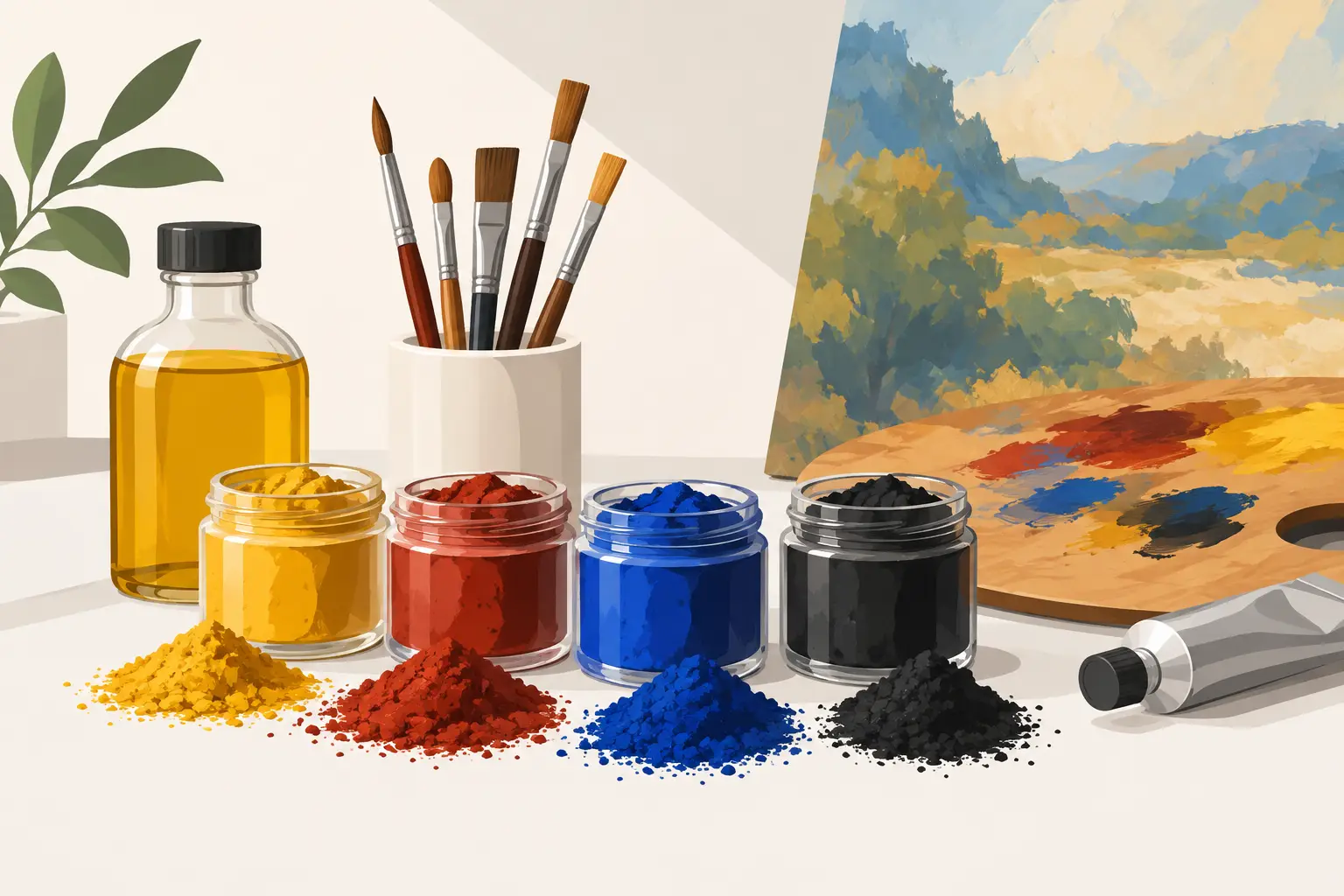
Oil Pigments: What Painters Need to Know

Oil pigments determine far more than hue: learn how pigment character, particle size and permanence shape mixing, handling and durable paintings in use.

How to Make Paint Swatches That Teach You More

How to Make Paint Swatches That Teach You More

Learn how to make paint swatches that reveal opacity, undertones, tinting strength and handling, so every palette decision is better informed in practice.
What Makes Paint Archival in a Painting?

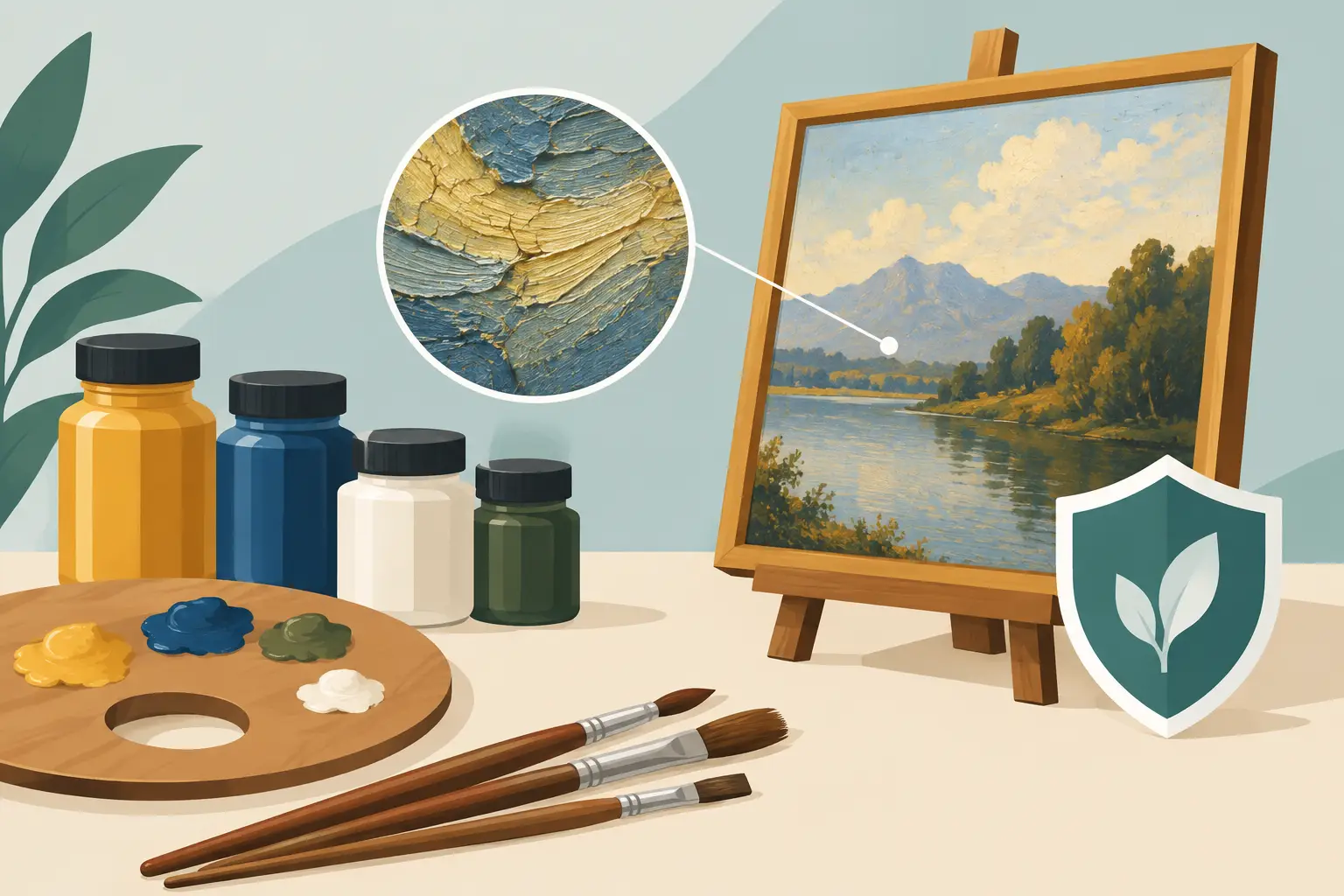
What Makes Paint Archival in a Painting?

What makes paint archival? Learn how pigment permanence, binders, lightfastness, grounds and sound studio practice protect a painting across generations.
How to Prepare Watercolour Swatches Properly

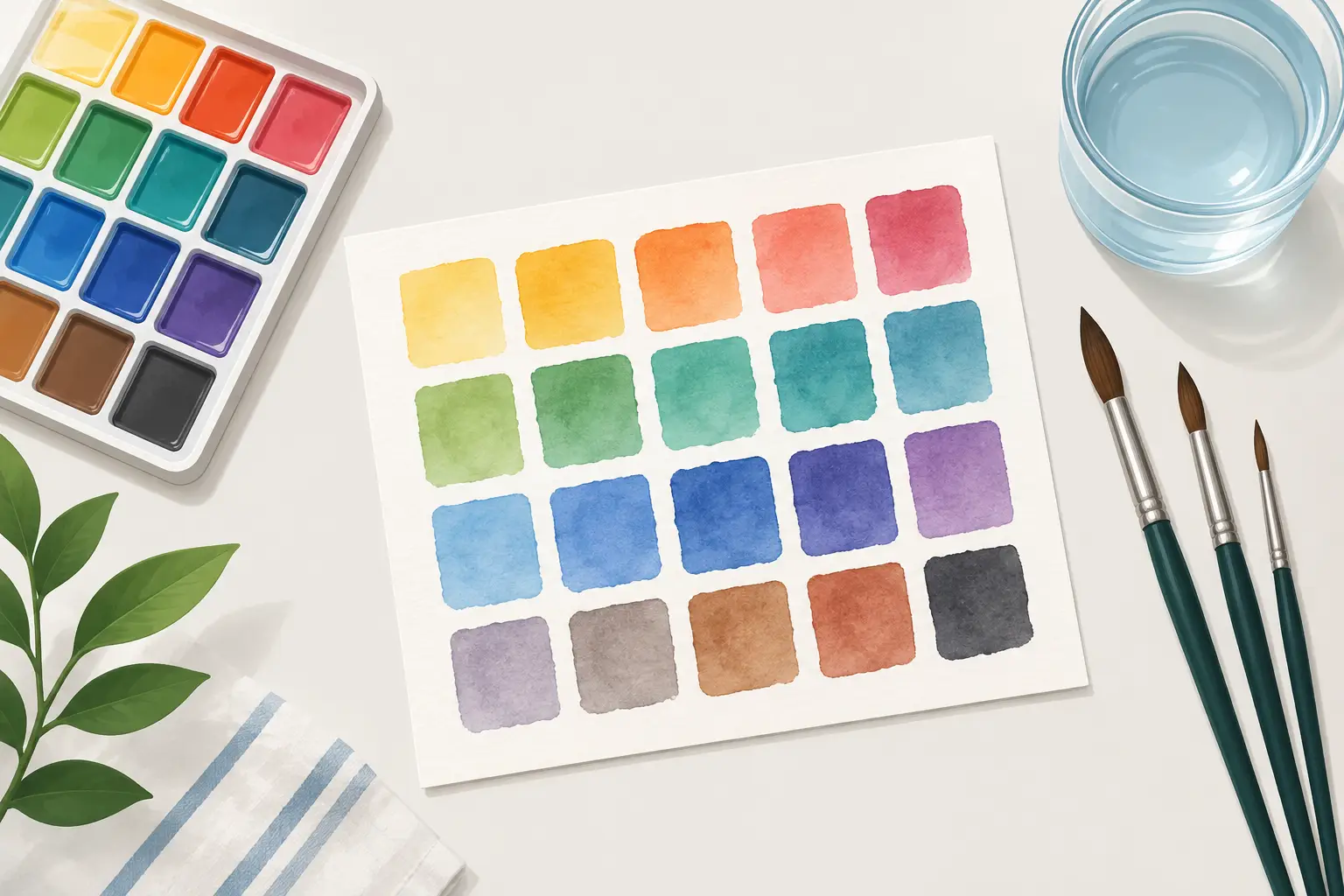
How to Prepare Watercolour Swatches Properly

Learn how to prepare watercolour swatches that reveal pigment strength, transparency, granulation and mixing behaviour for a more deliberate palette choice.
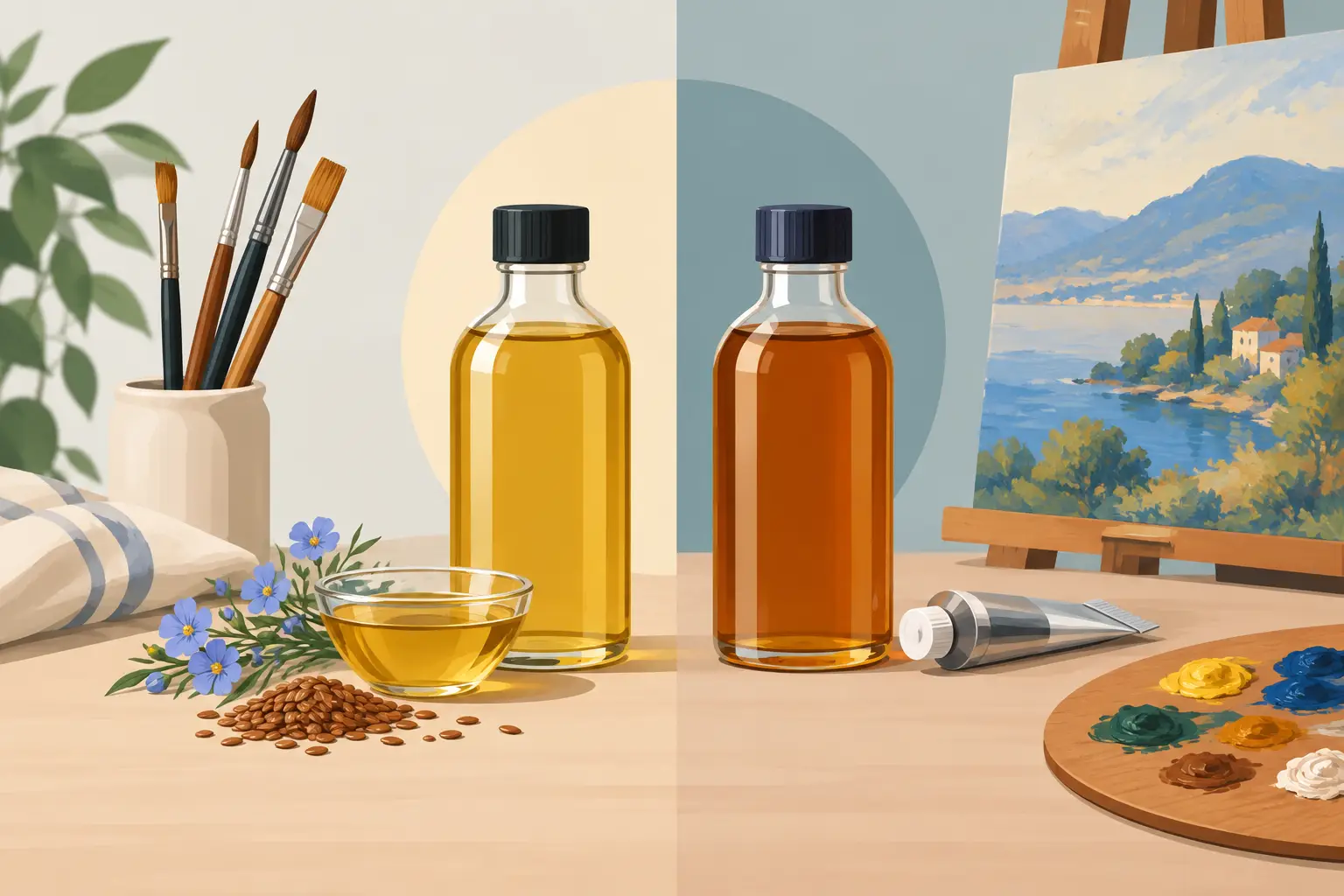
Linseed Oil Versus Alkyd for Oil Painting

Linseed Oil Versus Alkyd for Oil Painting

Linseed oil versus alkyd: compare drying, gloss, handling, yellowing and film structure to choose a painting medium suited to your working method well.
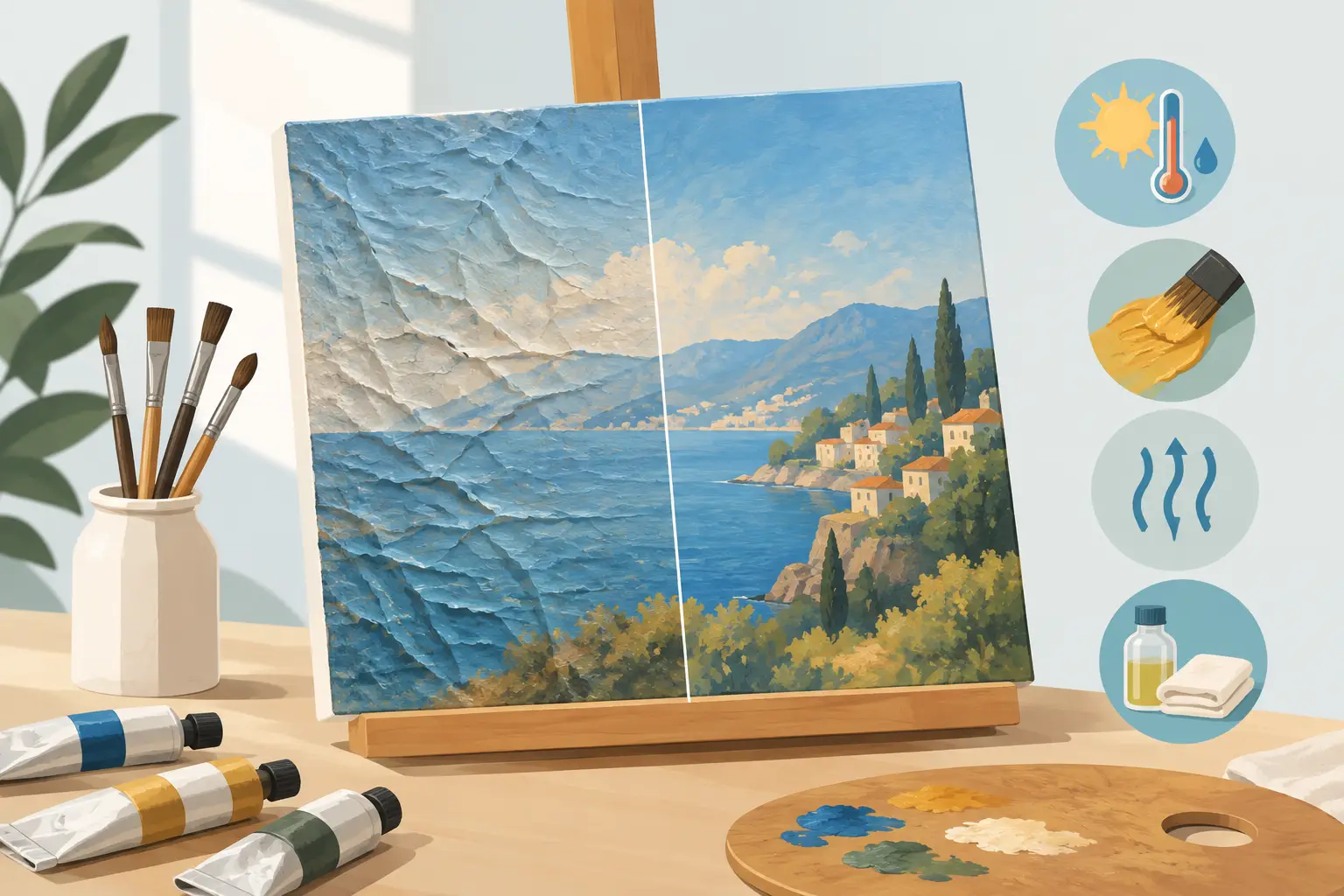
Why Do Oil Paints Wrinkle? Causes and Cures

Why Do Oil Paints Wrinkle? Causes and Cures

Why do oil paints wrinkle? Learn what causes surface puckering, how film formation works, and how to prevent it in your painting practice more reliably.
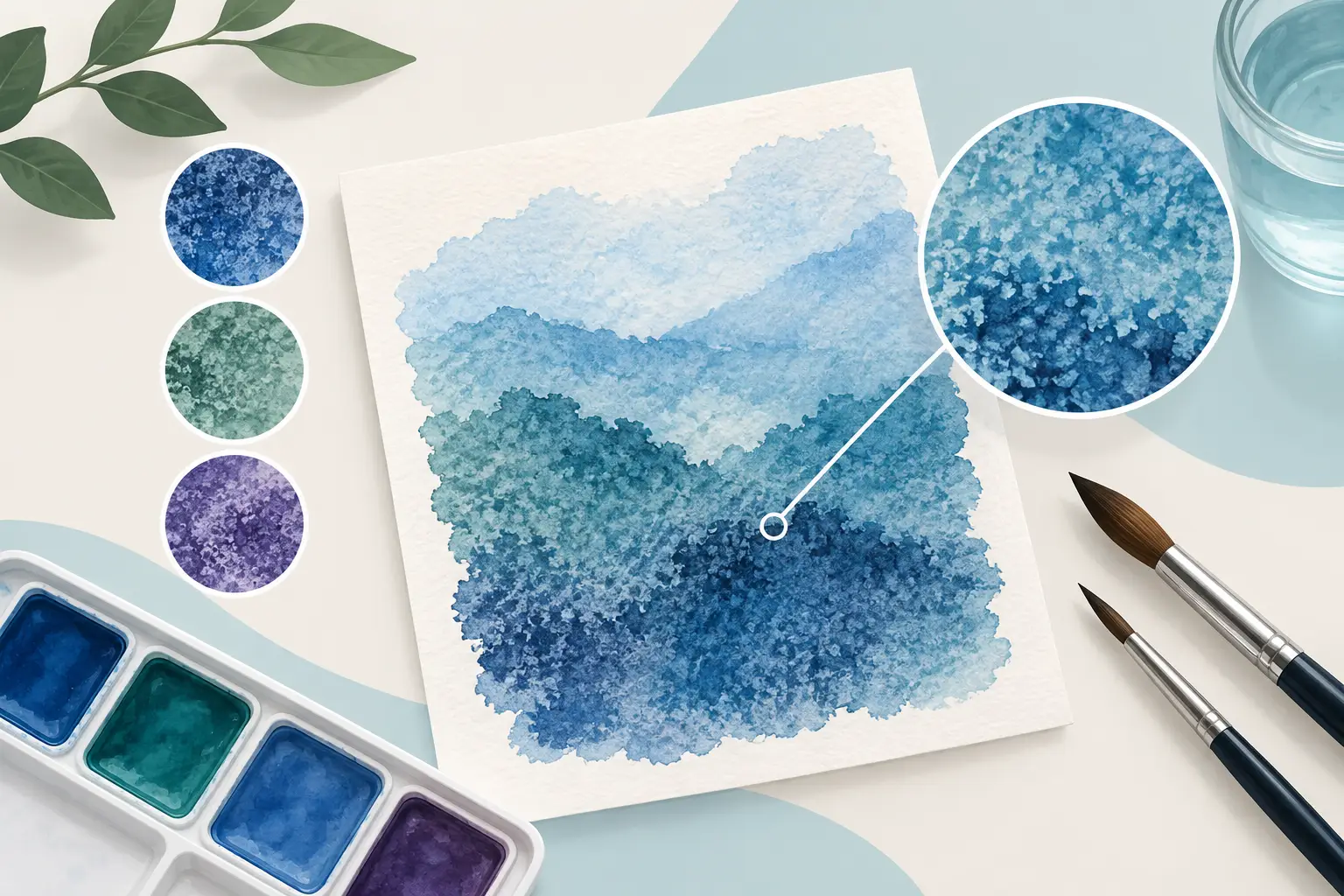
Why Do Pigments Granulate in Watercolour?

Why Do Pigments Granulate in Watercolour?

Why do pigments granulate in watercolour? Learn how particle size, pigment density, paper and water control create texture, and how to use it with care.
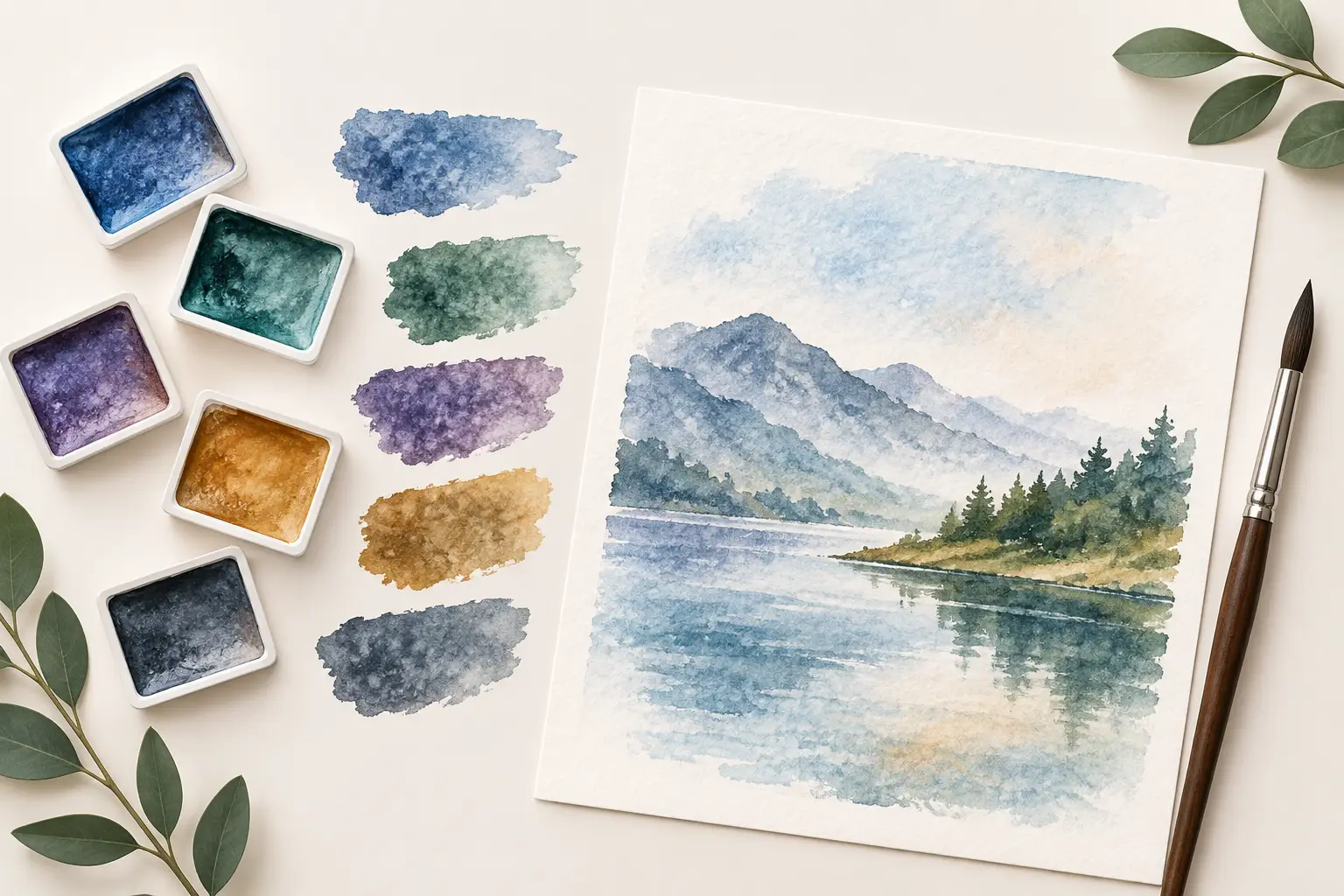
Essential Watercolour Granulating Colours

Essential Watercolour Granulating Colours

Choose essential watercolour granulating colours with confidence. Learn how pigment, paper, dilution and mixing shape their distinctive texture in practice.

How to Plan a Limited Palette for Clearer Colour

How to Plan a Limited Palette for Clearer Colour

Learn how to plan a limited palette with pigment-led choices that improve colour harmony, mixing control and confident painting decisions in the studio.
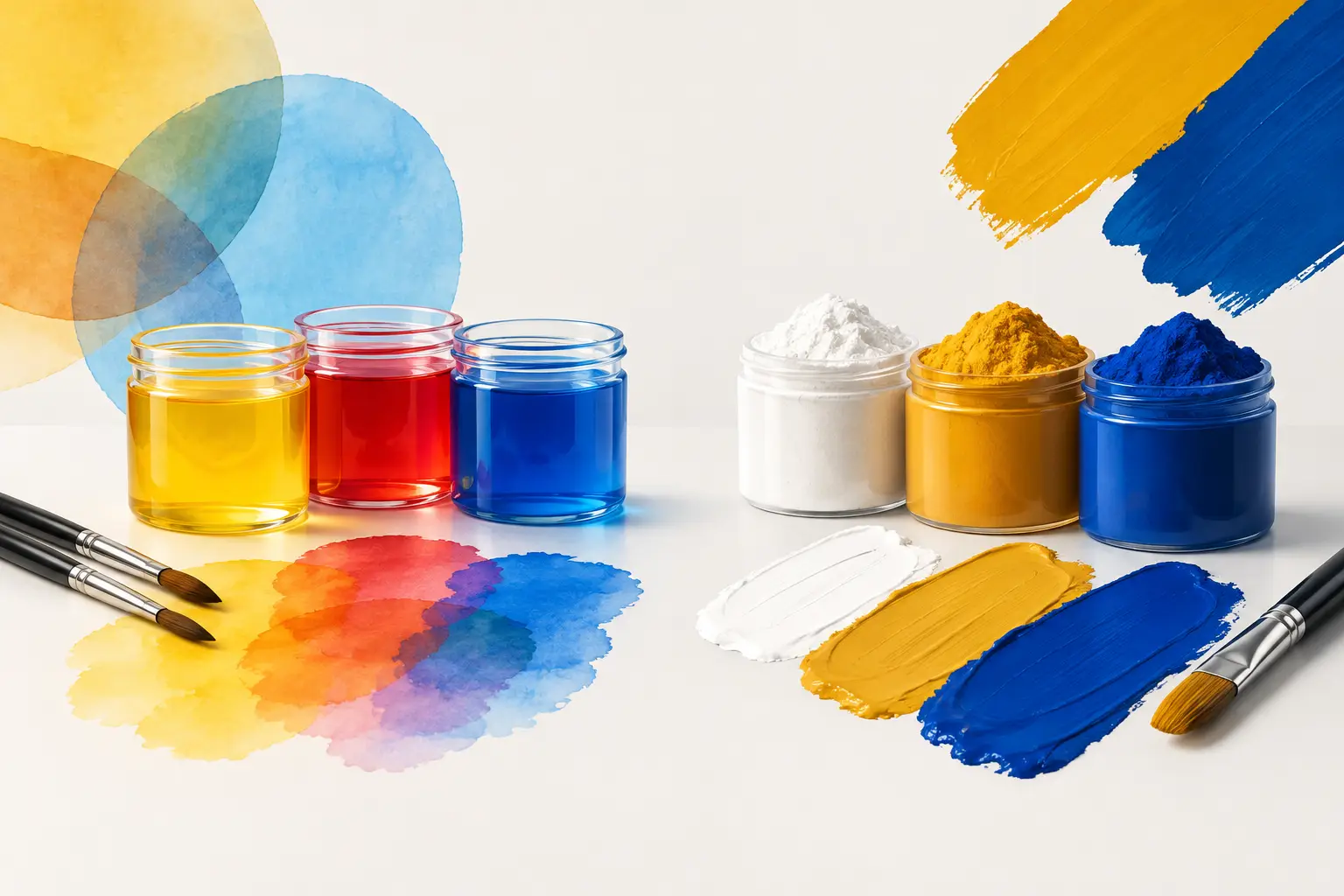
Transparent Opaque Pigments for Painters

Transparent Opaque Pigments for Painters

Transparent opaque pigments are not a contradiction. Learn how opacity, tinting strength and film thickness shape glazing, mixing and light in oil paint.
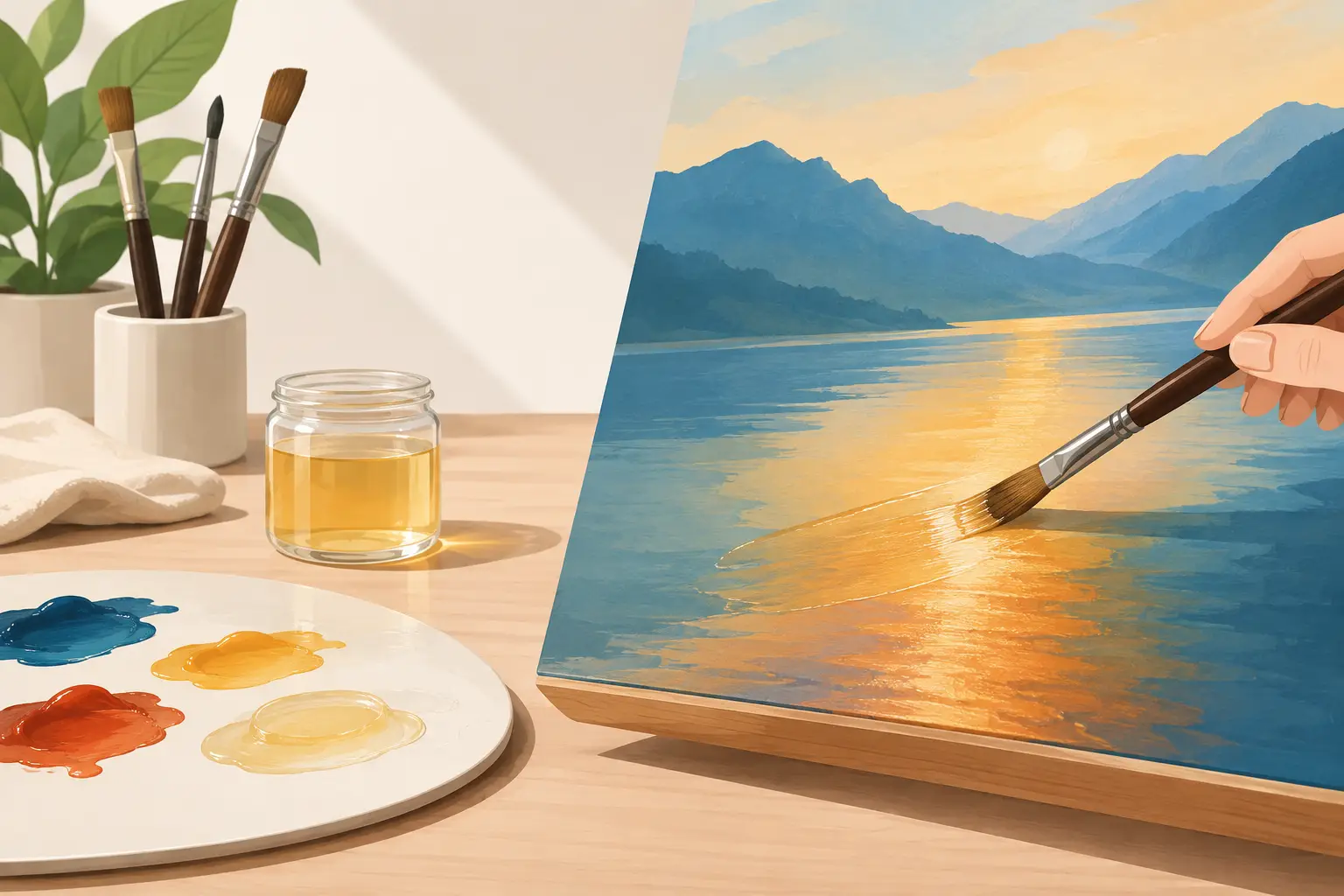
How to Glaze Oils for Luminous, Lasting Colour

How to Glaze Oils for Luminous, Lasting Colour

Learn how to glaze oils with sound layering, measured medium use and pigment-aware choices for luminous colour, depth and lasting paintings that endure.
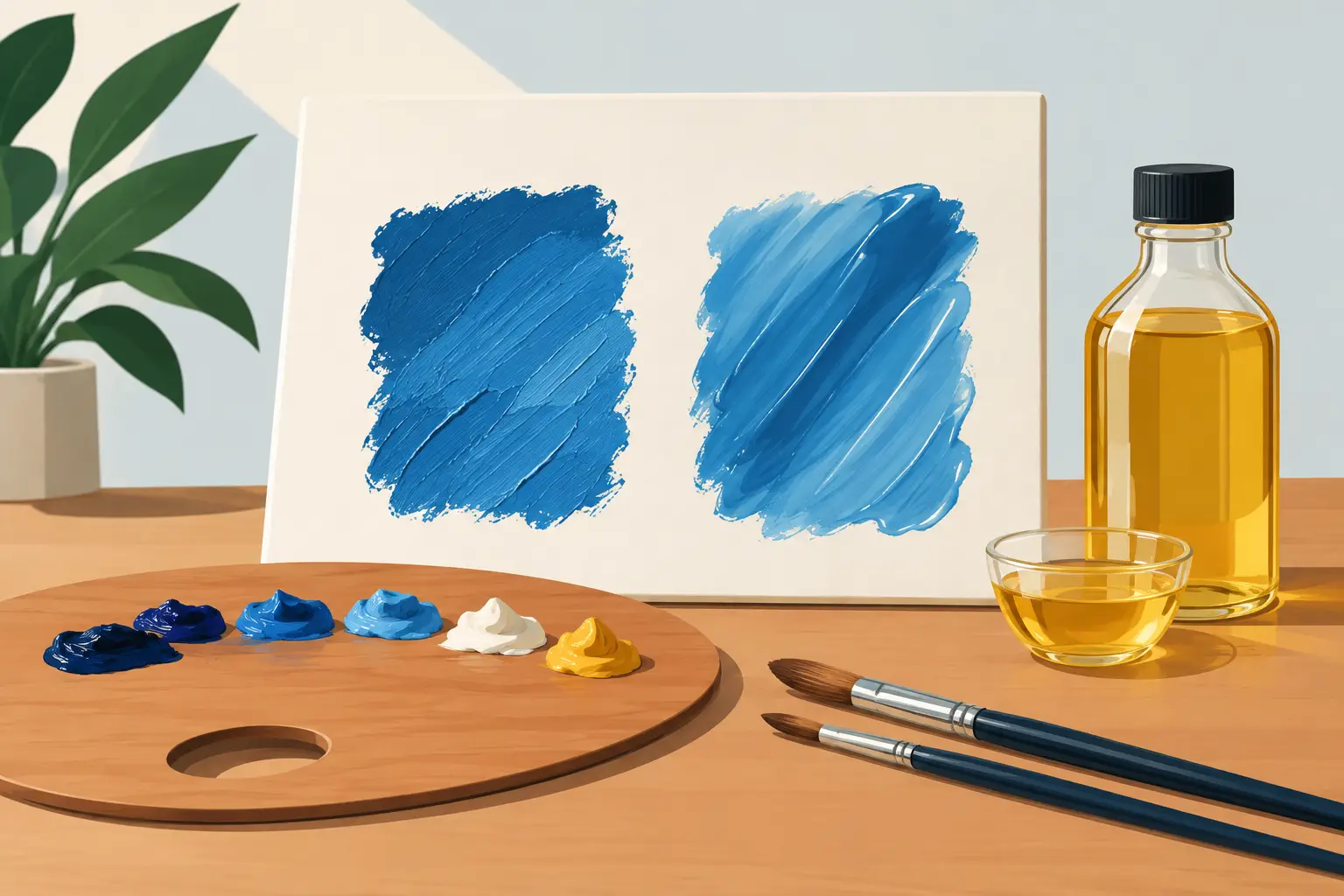
Oil Mediums: How They Change Paint Handling

Oil Mediums: How They Change Paint Handling

Understand oil mediums, from linseed oil to alkyd gel, and choose the right balance of flow, gloss, drying time and paint-film strength for lasting work.

Student Versus Artist Grade Paint: What Changes?

Student Versus Artist Grade Paint: What Changes?

Student versus artist grade paint differs in pigment, permanence, mixing and cost. Learn what each grade means, and choose materials for your practice wisely.
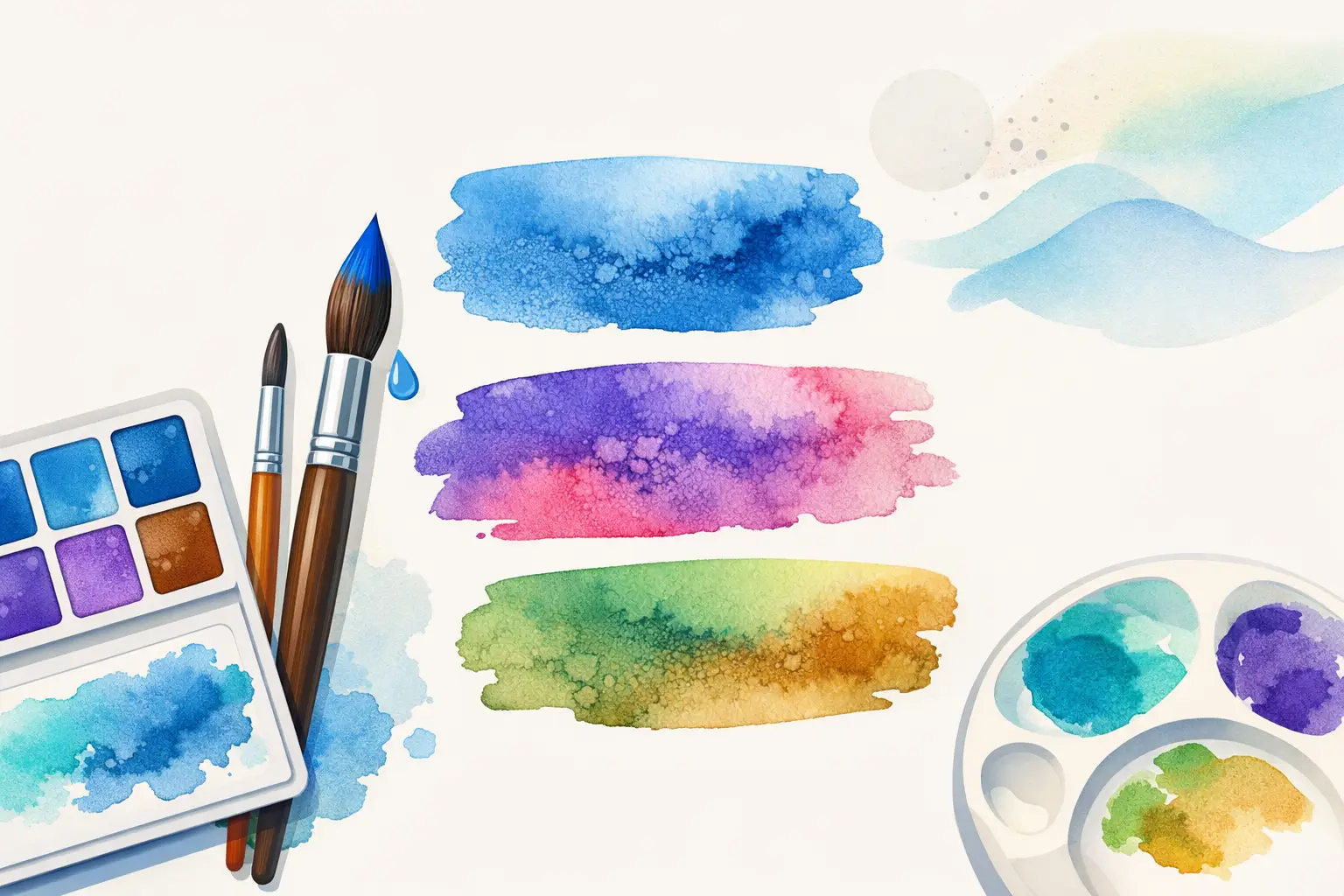
Watercolour Granulation Techniques That Work

Watercolour Granulation Techniques That Work

Learn watercolour granulation techniques for textured washes, controlled blooms and pigment separation, with paper, water and layering advice.

How to Choose Professional Oil Paint Sets

How to Choose Professional Oil Paint Sets

Learn how to choose professional oil paint sets by pigment, palette, tube size and handling, so every colour earns its place in the studio with confidence.

Pigment Lightfastness Ratings for Painters

Pigment Lightfastness Ratings for Painters

Pigment lightfastness ratings help painters select colours that retain their character over time. Learn how to read them and build a lasting paint palette.

How Oil Colours Help You Build a Better Palette

How Oil Colours Help You Build a Better Palette

Choose oil colours by pigment, opacity, drying behaviour and mixing character. Build a working palette with clarity, control and greater confidence daily.

Watercolour Pigment Selection Guide for Painters

Watercolour Pigment Selection Guide for Painters

Use this watercolour pigment selection guide to build a purposeful palette, assess transparency, granulation, staining and reliable mixing for paintings.
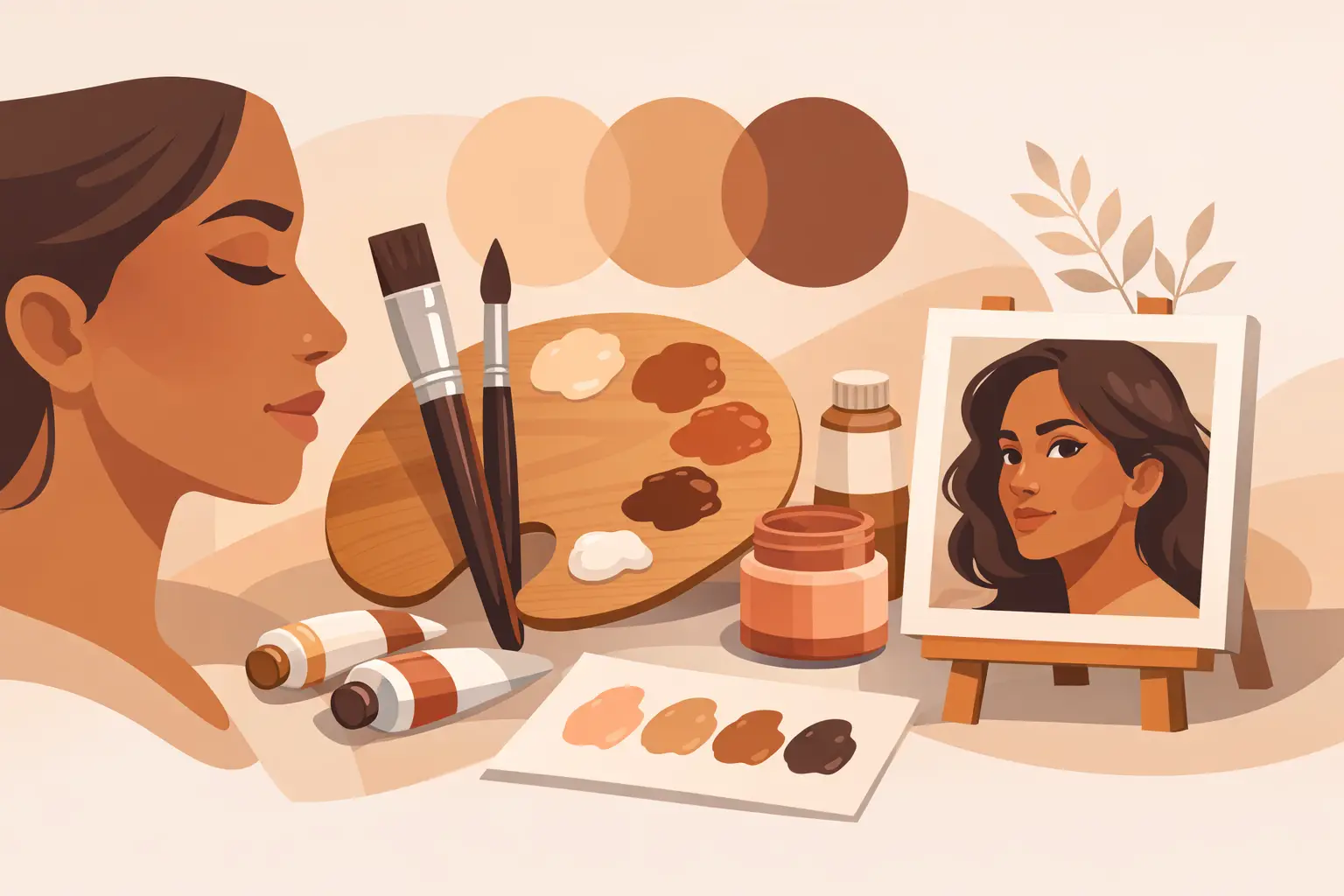
Best Pigments for Portraits and Natural Skin

Best Pigments for Portraits and Natural Skin

Choose the best pigments for portraits with confidence: a practical guide to undertones, opacity, mixing, permanence and a disciplined working palette.

Single Pigment Versus Mixes for Better Painting

Single Pigment Versus Mixes for Better Painting

Single pigment versus mixes: learn how pigment choices affect clarity, greying, glazing and palette design in oil and watercolour painting daily practice.

Pigment Index Number Guide for Painters

Pigment Index Number Guide for Painters

This pigment index number guide helps painters read colour labels, compare pigments, avoid false equivalents and build a more purposeful palette in practice.

How to Choose Watercolour Paint Sets Well

How to Choose Watercolour Paint Sets Well

Choose watercolour paint sets by pigment, palette structure and working method, so every colour earns its place in a serious painting practice with care.

Limited Oil Palette for Better Colour Mixing

Limited Oil Palette for Better Colour Mixing

Learn how a limited oil palette improves colour mixing, value control and pigment knowledge, with practical guidance for building a serious studio set.

Oil Paint Colour Equivalents: Compare Properly

Oil Paint Colour Equivalents: Compare Properly

Oil paint colour equivalents are best chosen by pigment, opacity and handling. Learn how to compare names, mixes and palette roles with daily confidence.

How to Read Pigment Codes on Artists’ Paint

How to Read Pigment Codes on Artists’ Paint

Learn how to read pigment codes on artists’ paint, from PY and PR to PB, and choose colours by composition, permanence, opacity and mixing in practice.
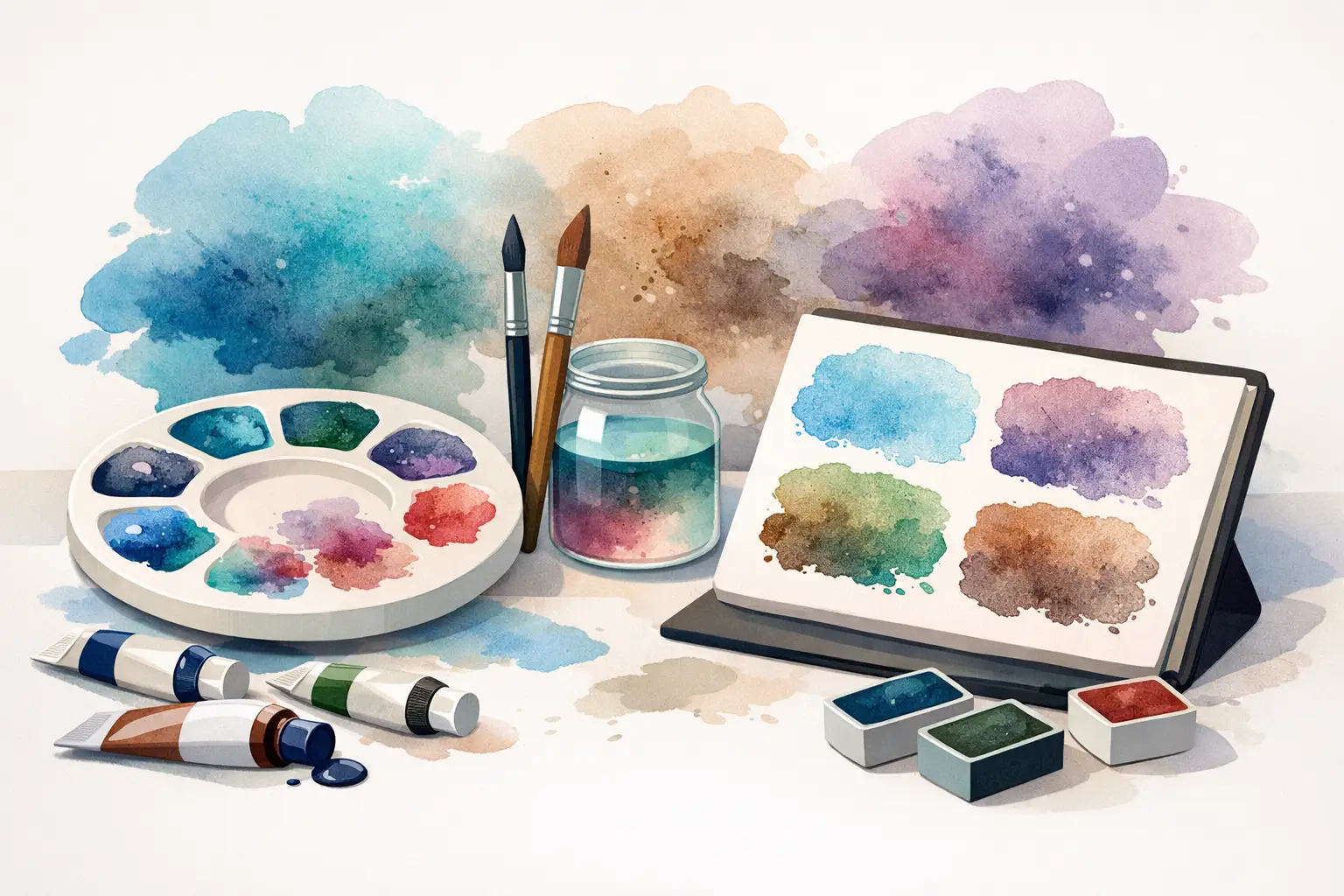
12 Best Granulating Watercolour Paints to Try

12 Best Granulating Watercolour Paints to Try

Find the best granulating watercolour paints for textured washes, mineral mixes and expressive skies, with pigment-led advice for building a fine palette.

How to Choose Watercolours for Your Palette

How to Choose Watercolours for Your Palette

Learn how to choose watercolours by pigment, transparency, granulation and palette purpose, so every colour earns its place in your painting practice daily.
Choosing Non-Toxic Artist Oil Paints Wisely

Choosing Non-Toxic Artist Oil Paints Wisely

Choose non-toxic artist oil paints with a clear view of pigments, binders, labels, studio practice - without compromising colour, handling or permanence.

Choosing Vegan Professional Oil Paints Well

Choosing Vegan Professional Oil Paints Well

Choose vegan professional oil paints with confidence: understand binders, pigments, labels and studio performance without compromising colour or handling.

Using a Solvent Free Oil Painting Medium

Using a Solvent Free Oil Painting Medium

Learn how a solvent free oil painting medium changes flow, drying and gloss, and choose a considered method for sound, controlled oil painting practice.

Oil Paint Transparency Guide for Better Glazing

Oil Paint Transparency Guide for Better Glazing

Our oil paint transparency guide explains pigment opacity, glazing, layering and mixing so you can select colours with greater control in the studio daily.

Oil Paint Lightfastness Ratings Explained

Oil Paint Lightfastness Ratings Explained

Understand oil paint lightfastness ratings, pigment permanence and practical palette choices, so your paintings retain their intended colour over time.

Why Single Pigment Oil Paints Build Better Palettes

Why Single Pigment Oil Paints Build Better Palettes

Single pigment oil paints give painters clearer mixes, reliable colour decisions and a stronger understanding of every mark they place on the canvas itself.

Oil Paint Pigment Index Guide for Better Choices

Oil Paint Pigment Index Guide for Better Choices

Use this oil paint pigment index guide to read Colour Index codes, compare pigment behaviour, and build a dependable, purposeful oil palette confidently.

How to Choose Oil Paint Colours for Your Palette

How to Choose Oil Paint Colours for Your Palette

Learn how to choose oil paint colours by pigment, value, temperature and mixing behaviour, then build a durable palette suited to the way you paint well.

Product Information & Disclaimer

The information provided on this website is based on research and testing conducted by Michael Harding Art Formulas Ltd and is intended as general guidance on the characteristics and potential uses of our products in established painting practices.

While we take care to provide accurate and reliable information, individual materials, techniques, working conditions and applications can vary. Michael Harding Art Formulas Ltd cannot guarantee that any product will be suitable for every individual purpose or application. Users should carefully read all product labels, instructions and safety information and carry out appropriate testing before use, particularly when developing individual techniques or combining materials.

To the fullest extent permitted by applicable law, Michael Harding Art Formulas Ltd makes no express or implied warranties as to merchantability or fitness for a particular purpose and accepts no liability for any loss or damage, including indirect or consequential loss, arising from the use or application of its products.

Colour Representation

Colours displayed on this website and in printed materials are for guidance only. Their appearance may vary depending on screen settings, device, lighting conditions, printing processes and other factors, and may therefore differ from the appearance of the physical product.

For the most accurate representation of colour, texture and finish, we strongly recommend viewing a physical product sample or swatch in person before making a final selection or purchase. Where colour accuracy is important, please do not rely solely on digital or printed representations.

© 2026 Michael Harding Handmade Artist Oil Colours. All Rights Reserved.