




We use essential cookies to run the site and optional analytics cookies to understand how you use it. Read our privacy policy.

Skip to content

40 New Anniversary Oil Colours - Now Available Explore Collections

Michael Harding
Studio Notes

Studio
Notes

Essays, technique guides, and stories from the Michael Harding studio - on pigments, mediums, materials, and the craft of oil painting. Filter by category, author, or topic.

Authors ·
Topics ·
Michael Harding Watercolours: Professional Artist Watercolours
Blog Post ·

Michael Harding Watercolours: Professional Artist Watercolours

Discover Michael Harding Watercolours — professional artist-quality watercolour paints created for painters who demand exceptional colour, beautiful pigment character and uncompromising quality. With a guide to choosing professional watercolours, building a palette, granulation, transparency and an FAQ.

Best Watercolour Paint: Professional vs Student Explained
Tutorial ·

Best Watercolour Paint: Professional vs Student Explained

What makes the best watercolour paint? We explain the real differences between professional and student watercolours - pigment load, single-pigment formulation, lightfastness and rewetting - so you can choose with confidence.

Watercolour Pigments Explained: Reading the Colour Index
Tutorial ·

Watercolour Pigments Explained: Reading the Colour Index

Learn to read the watercolour Colour Index (PB29, PV19, PY150...) and what each pigment code reveals about a paint's chemistry, lightfastness, granulation and mixing behaviour.

Lightfastness in Watercolour: A Guide to Permanent Colour
Tutorial ·

Lightfastness in Watercolour: A Guide to Permanent Colour

A practical guide to watercolour lightfastness - ASTM ratings, the Blue Wool scale, fugitive pigments to avoid, and how to choose permanent colours for work meant to last.

Granulation in Watercolour: Why Pigments Behave Differently
Tutorial ·

Granulation in Watercolour: Why Pigments Behave Differently

Granulation is the texture that makes some watercolours sediment and granulate on paper. Here is why it happens, which pigments granulate, and how to use it for skies, landscape and texture.

Transparency and Opacity in Watercolour
Tutorial ·

Transparency and Opacity in Watercolour

Transparency and opacity in watercolour explained - how to read it, why it matters for glazing and layering, and which pigments suit your subject.

Staining and Non-Staining Watercolours: Lifting and Layering
Tutorial ·

Staining and Non-Staining Watercolours: Lifting and Layering

Staining and non-staining watercolours behave very differently on paper. Learn how staining pigments affect lifting, layering and stubborn colour, and when to use each.

How to Build a Professional Watercolour Palette
Tutorial ·

How to Build a Professional Watercolour Palette

A practical method for building a professional watercolour palette - warm and cool primaries, granulating earths, staining accents, and how to choose the right colours for your subject.

Watercolour Mixing: Clean Colour and Avoiding Mud
Tutorial ·

Watercolour Mixing: Clean Colour and Avoiding Mud

How to mix clean watercolour colour and avoid mud - single-pigment mixing, complementary pairs, the role of transparency, and a simple method for predictable mixing.

Watercolour Techniques: Wet-on-Wet, Glazing, Dry Brush and More
Tutorial ·

Watercolour Techniques: Wet-on-Wet, Glazing, Dry Brush and More

The core watercolour techniques - wet-on-wet, wet-on-dry, glazing, dry brush, lifting and charging - explained with when to use each and the pigments that suit them.

Watercolour for Beginners: Where to Start
Tutorial ·

Watercolour for Beginners: Where to Start

New to watercolour? A clear beginner's guide to the paints, a starter palette, paper and brushes, and your first techniques - plus how to upgrade from student to professional.

Watercolour for Botanical Painting: Choosing Pigments and Palettes
Tutorial ·

Watercolour for Botanical Painting: Choosing Pigments and Palettes

Watercolour for botanical painting - the transparent, single-pigment colours and techniques botanical artists rely on, with a recommended botanical palette.

Watercolour for Landscape and Skies
Tutorial ·

Watercolour for Landscape and Skies

Choosing watercolour for landscape and skies - granulating blues, atmospheric washes, earths and greens, with a recommended landscape palette and techniques.

How to Select Pigments for a Working Palette

How to Select Pigments for a Working Palette

Learn how to select pigments for oil or watercolour with clarity: assess permanence, opacity, tinting strength, mixing and the demands of your practice.
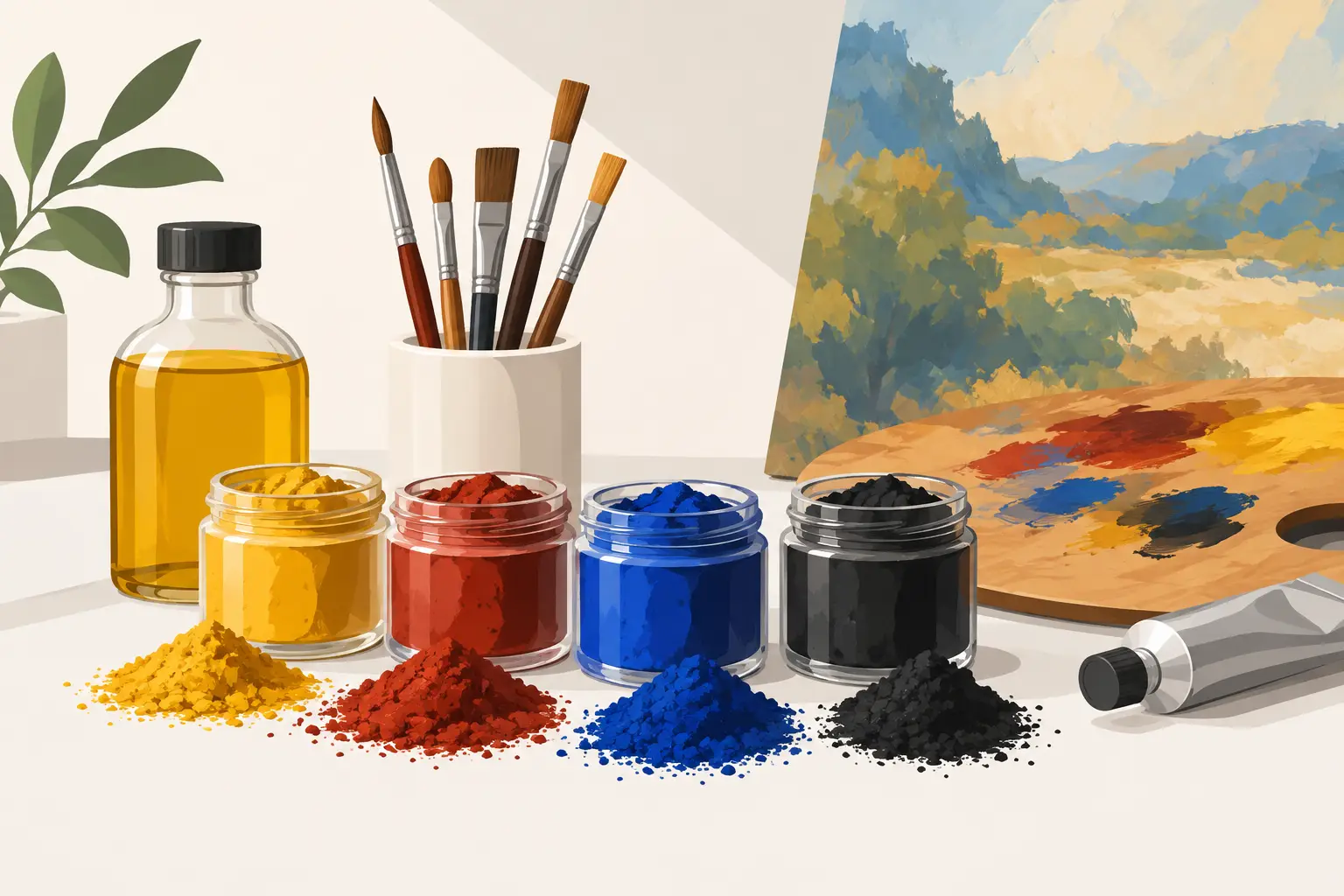
Oil Pigments: What Painters Need to Know

Oil Pigments: What Painters Need to Know

Oil pigments determine far more than hue: learn how pigment character, particle size and permanence shape mixing, handling and durable paintings in use.

How to Make Paint Swatches That Teach You More

How to Make Paint Swatches That Teach You More

Learn how to make paint swatches that reveal opacity, undertones, tinting strength and handling, so every palette decision is better informed in practice.
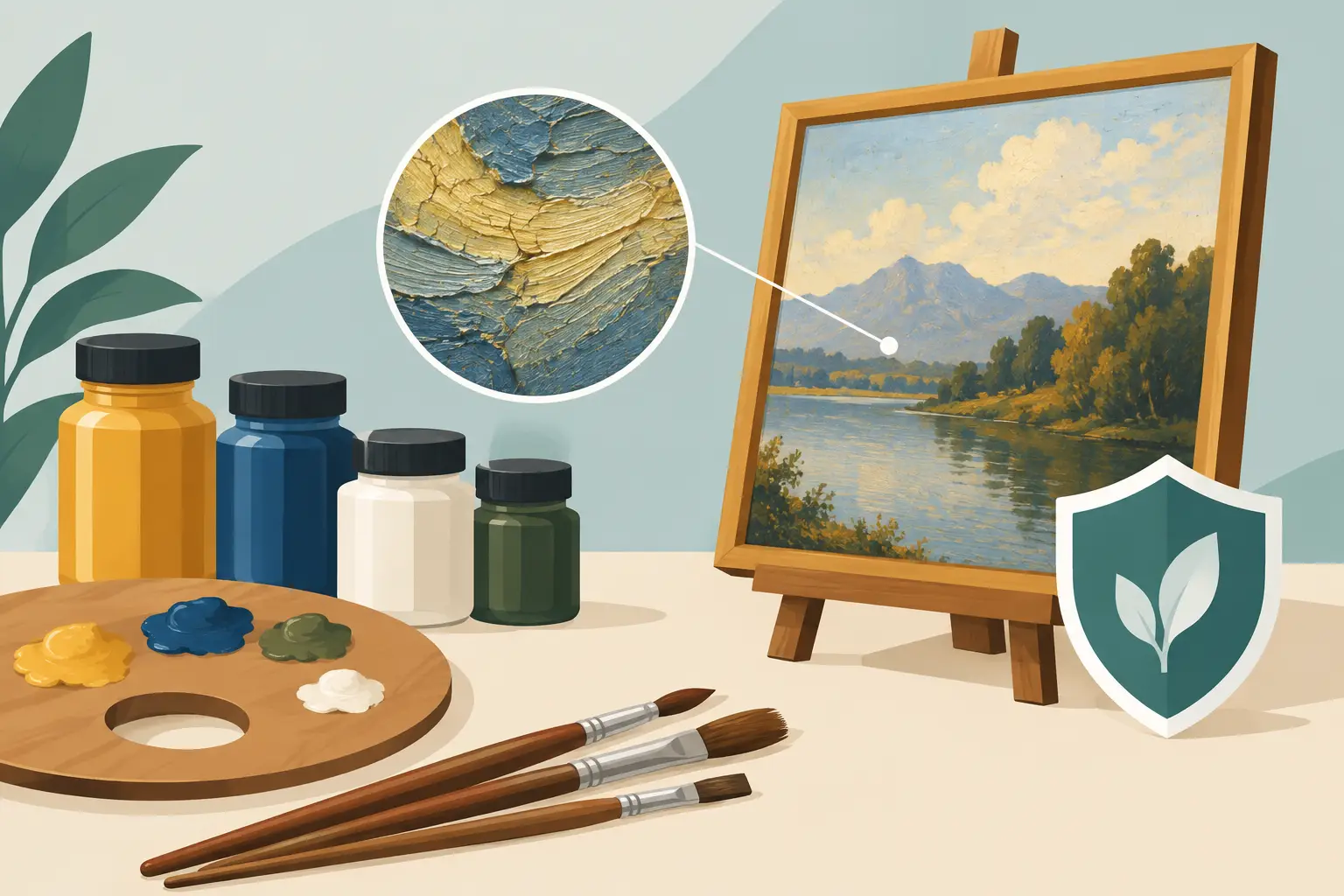
What Makes Paint Archival in a Painting?

What Makes Paint Archival in a Painting?

What makes paint archival? Learn how pigment permanence, binders, lightfastness, grounds and sound studio practice protect a painting across generations.
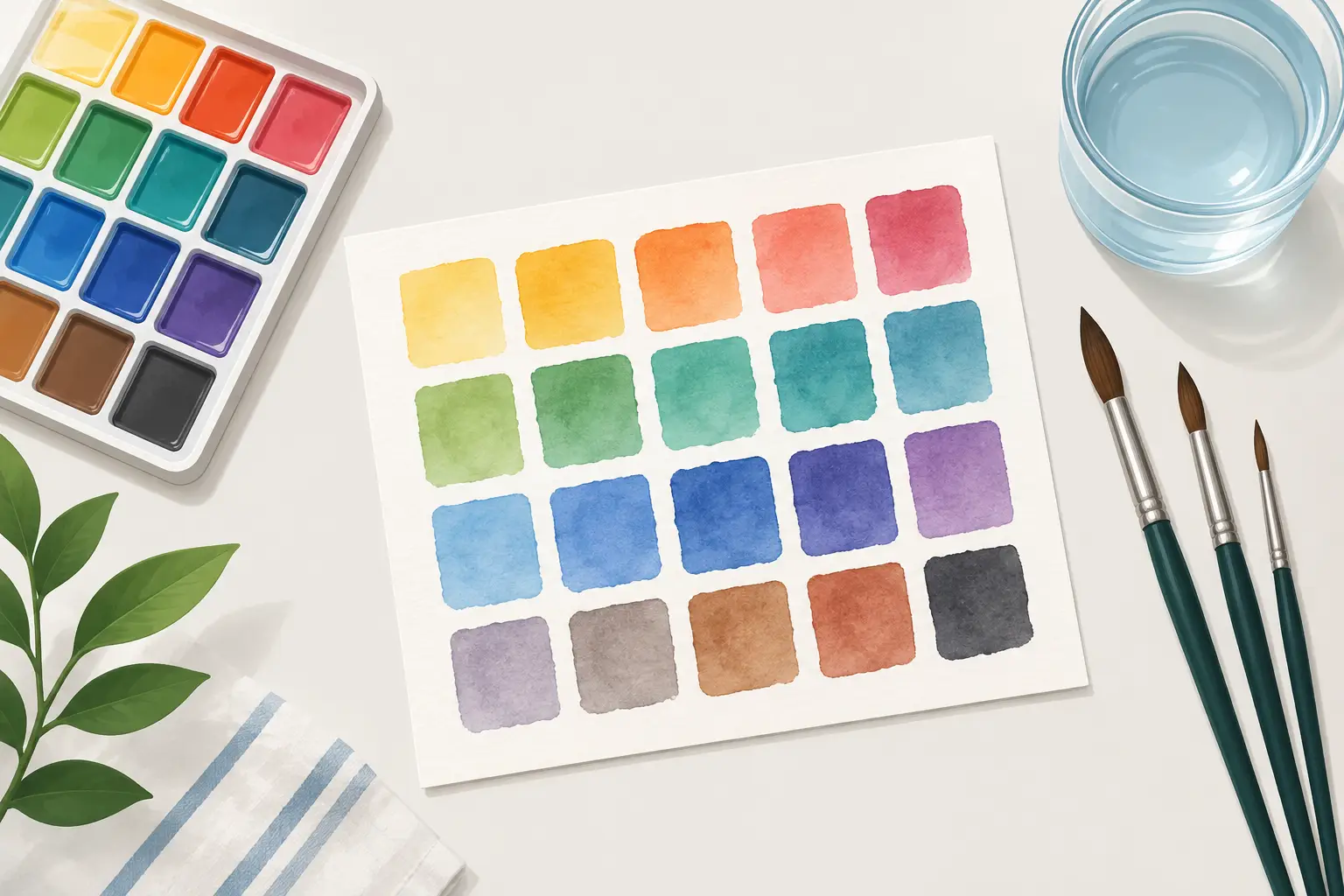
How to Prepare Watercolour Swatches Properly

How to Prepare Watercolour Swatches Properly

Learn how to prepare watercolour swatches that reveal pigment strength, transparency, granulation and mixing behaviour for a more deliberate palette choice.
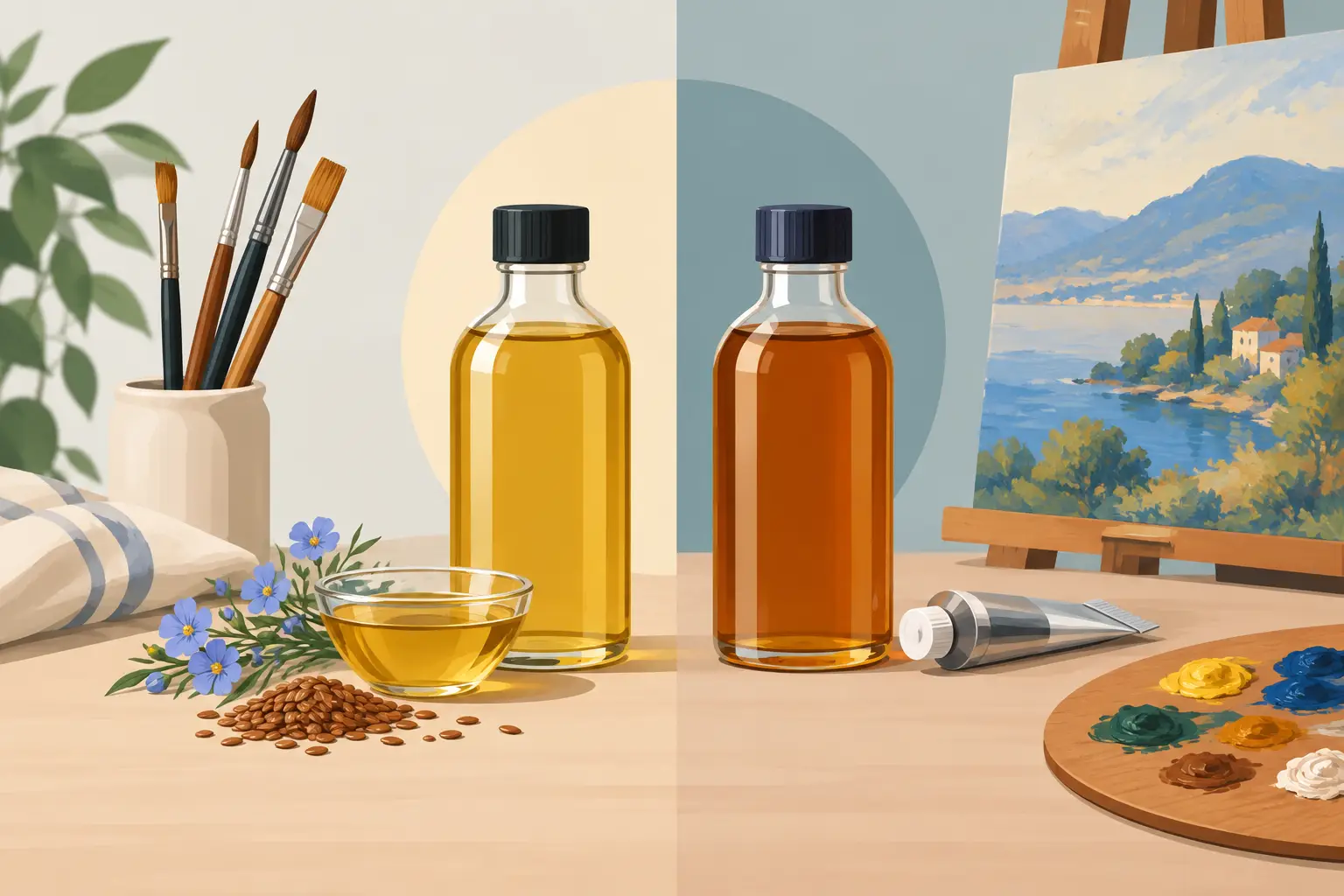
Linseed Oil Versus Alkyd for Oil Painting

Linseed Oil Versus Alkyd for Oil Painting

Linseed oil versus alkyd: compare drying, gloss, handling, yellowing and film structure to choose a painting medium suited to your working method well.
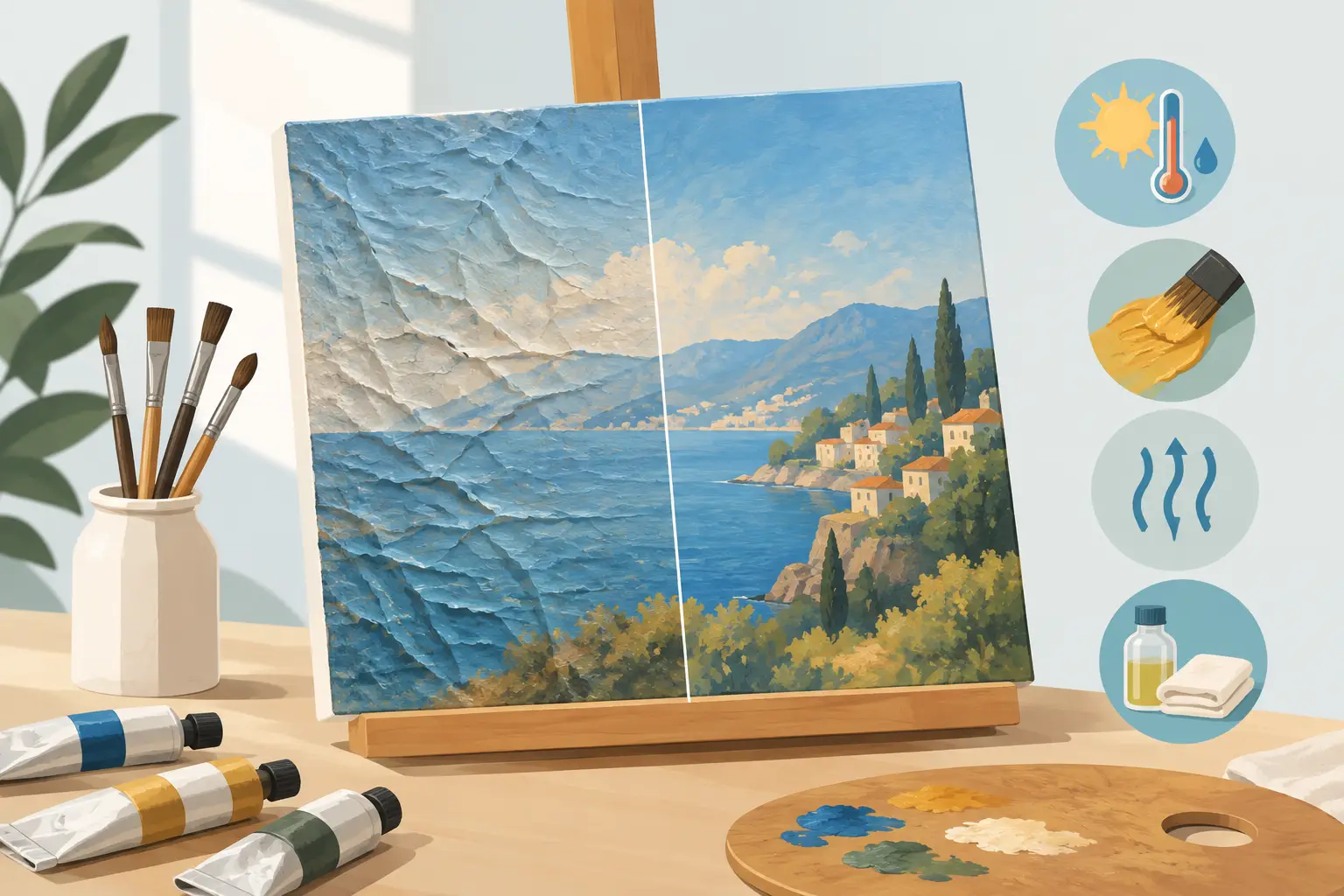
Why Do Oil Paints Wrinkle? Causes and Cures

Why Do Oil Paints Wrinkle? Causes and Cures

Why do oil paints wrinkle? Learn what causes surface puckering, how film formation works, and how to prevent it in your painting practice more reliably.
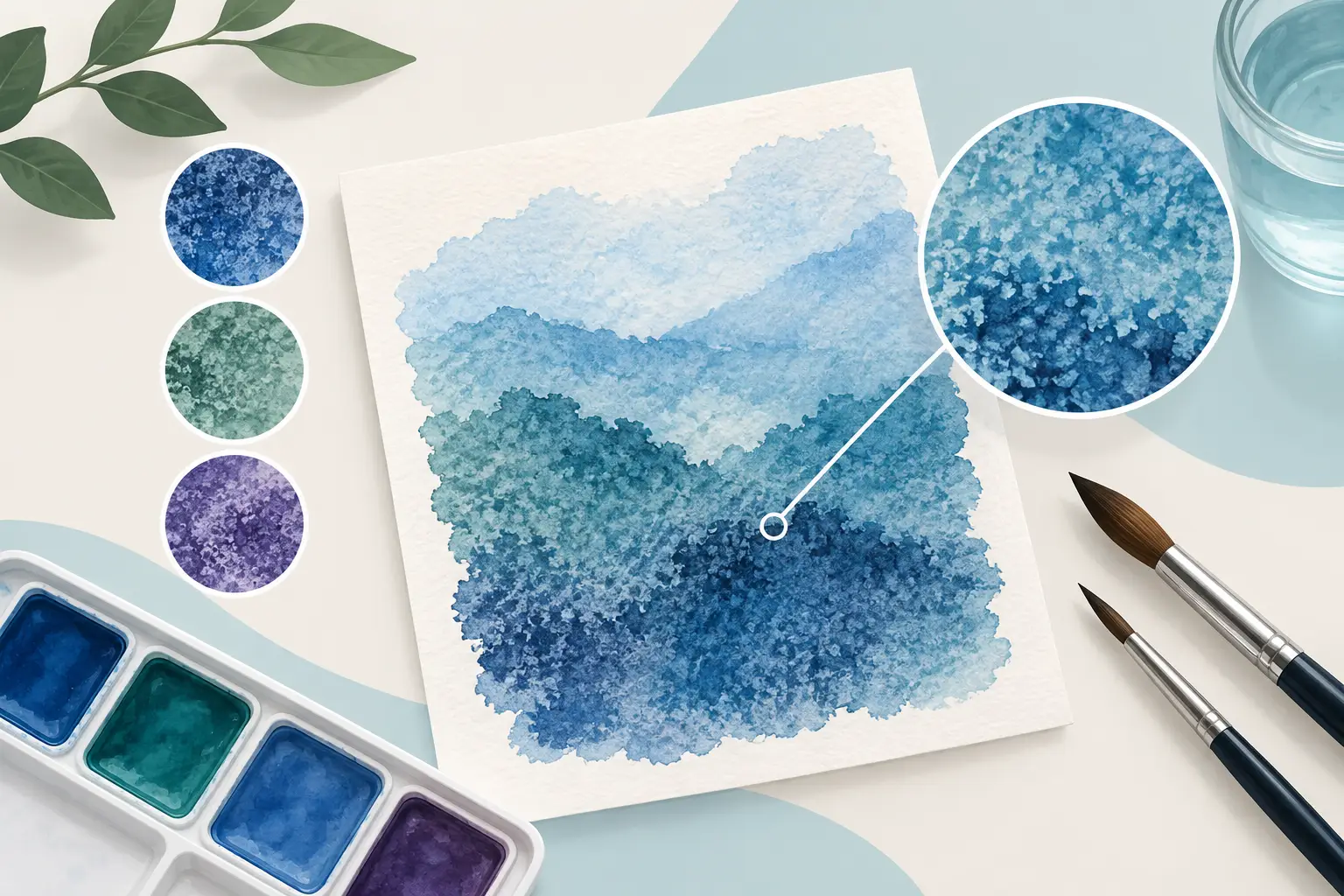
Why Do Pigments Granulate in Watercolour?

Why Do Pigments Granulate in Watercolour?

Why do pigments granulate in watercolour? Learn how particle size, pigment density, paper and water control create texture, and how to use it with care.
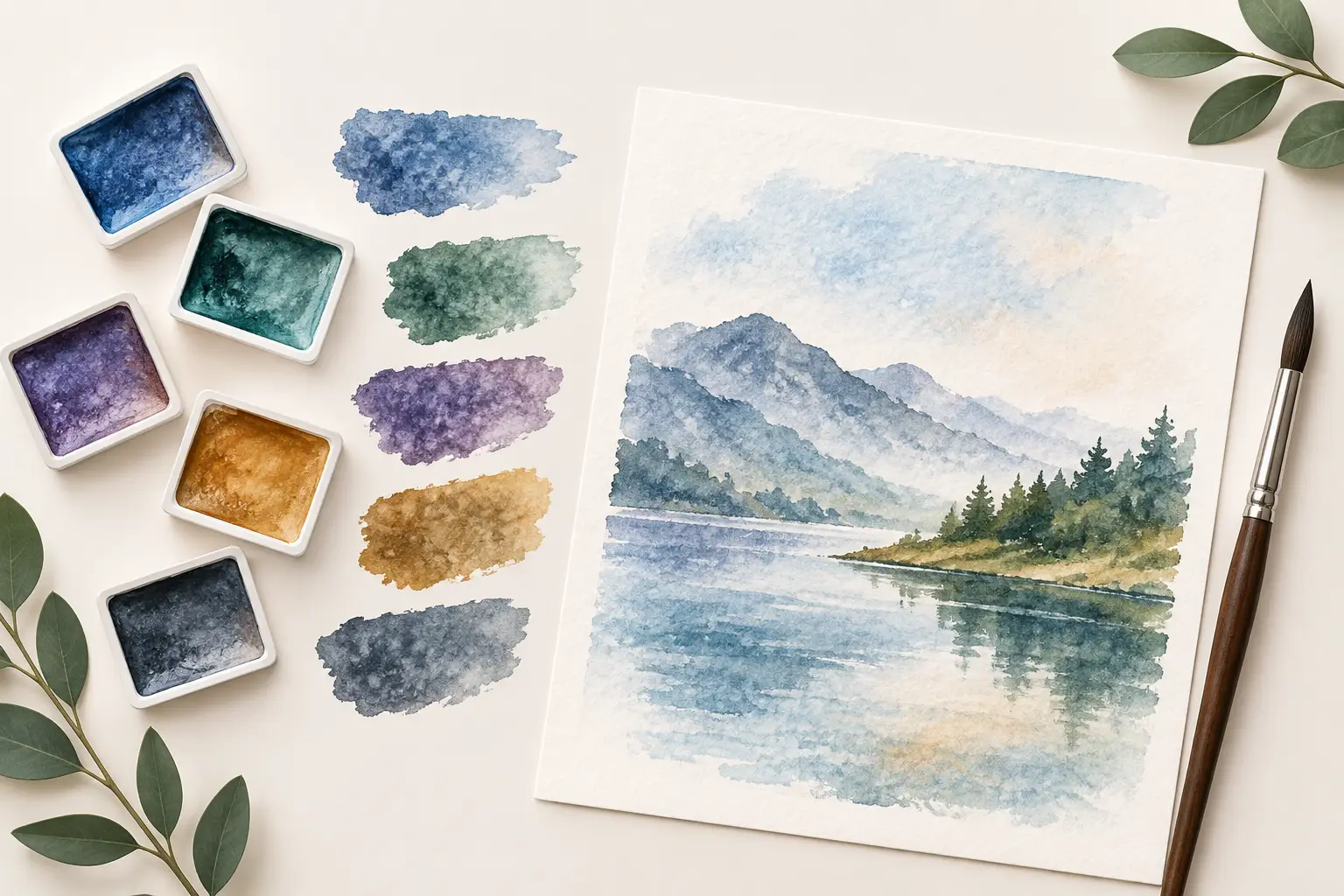
Essential Watercolour Granulating Colours

Essential Watercolour Granulating Colours

Choose essential watercolour granulating colours with confidence. Learn how pigment, paper, dilution and mixing shape their distinctive texture in practice.
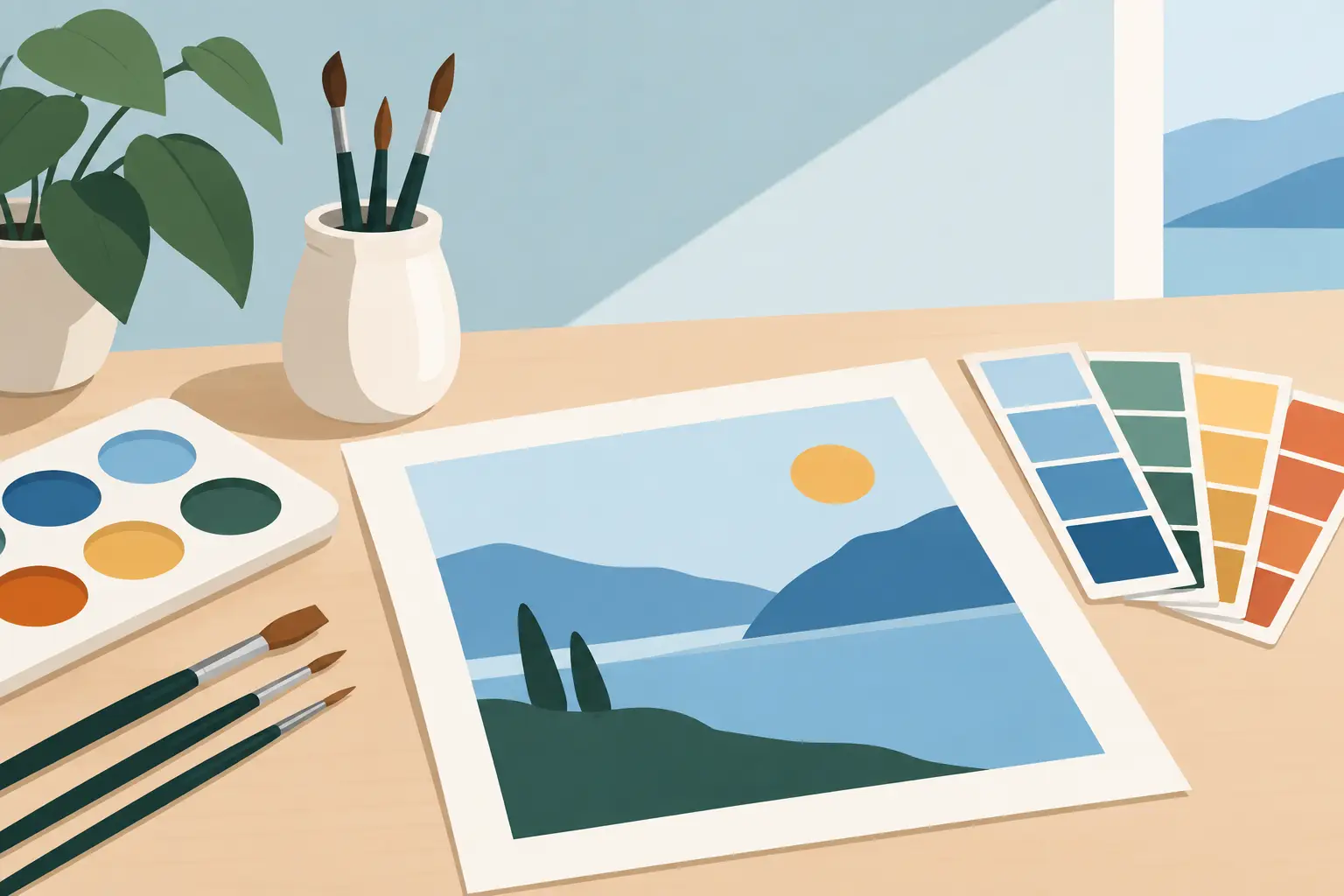
How to Plan a Limited Palette for Clearer Colour

How to Plan a Limited Palette for Clearer Colour

Learn how to plan a limited palette with pigment-led choices that improve colour harmony, mixing control and confident painting decisions in the studio.
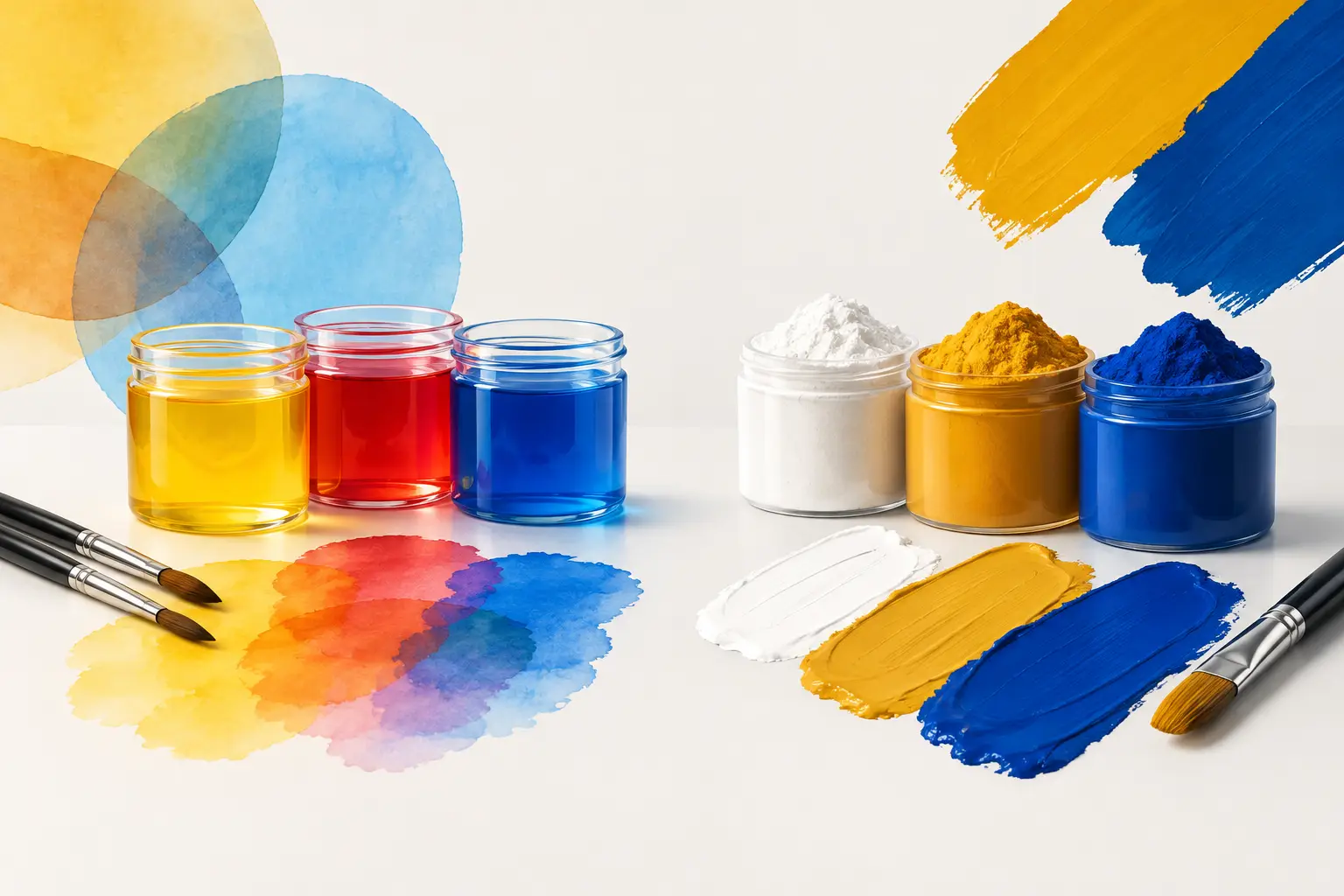
Transparent Opaque Pigments for Painters

Transparent Opaque Pigments for Painters

Transparent opaque pigments are not a contradiction. Learn how opacity, tinting strength and film thickness shape glazing, mixing and light in oil paint.
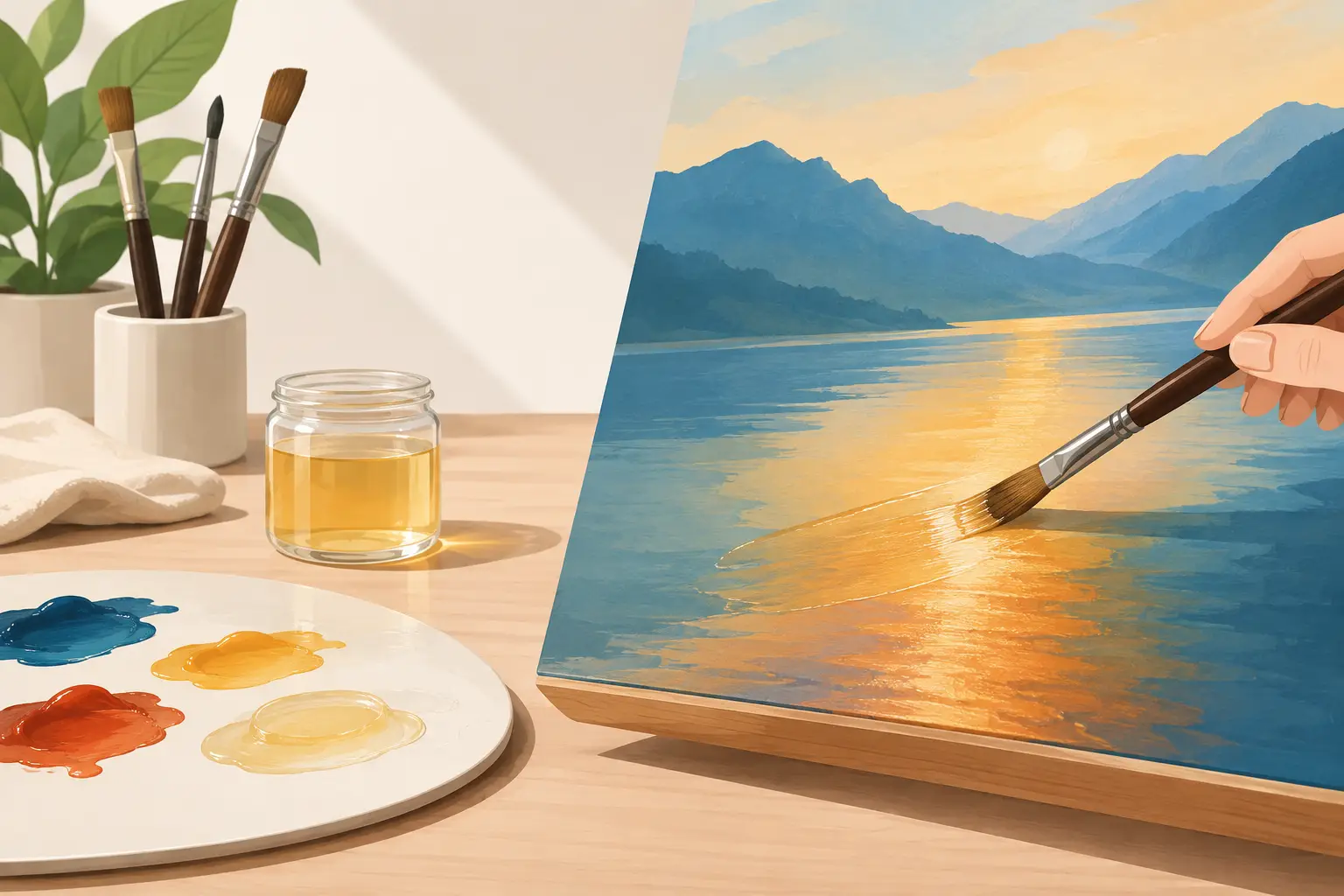
How to Glaze Oils for Luminous, Lasting Colour

How to Glaze Oils for Luminous, Lasting Colour

Learn how to glaze oils with sound layering, measured medium use and pigment-aware choices for luminous colour, depth and lasting paintings that endure.
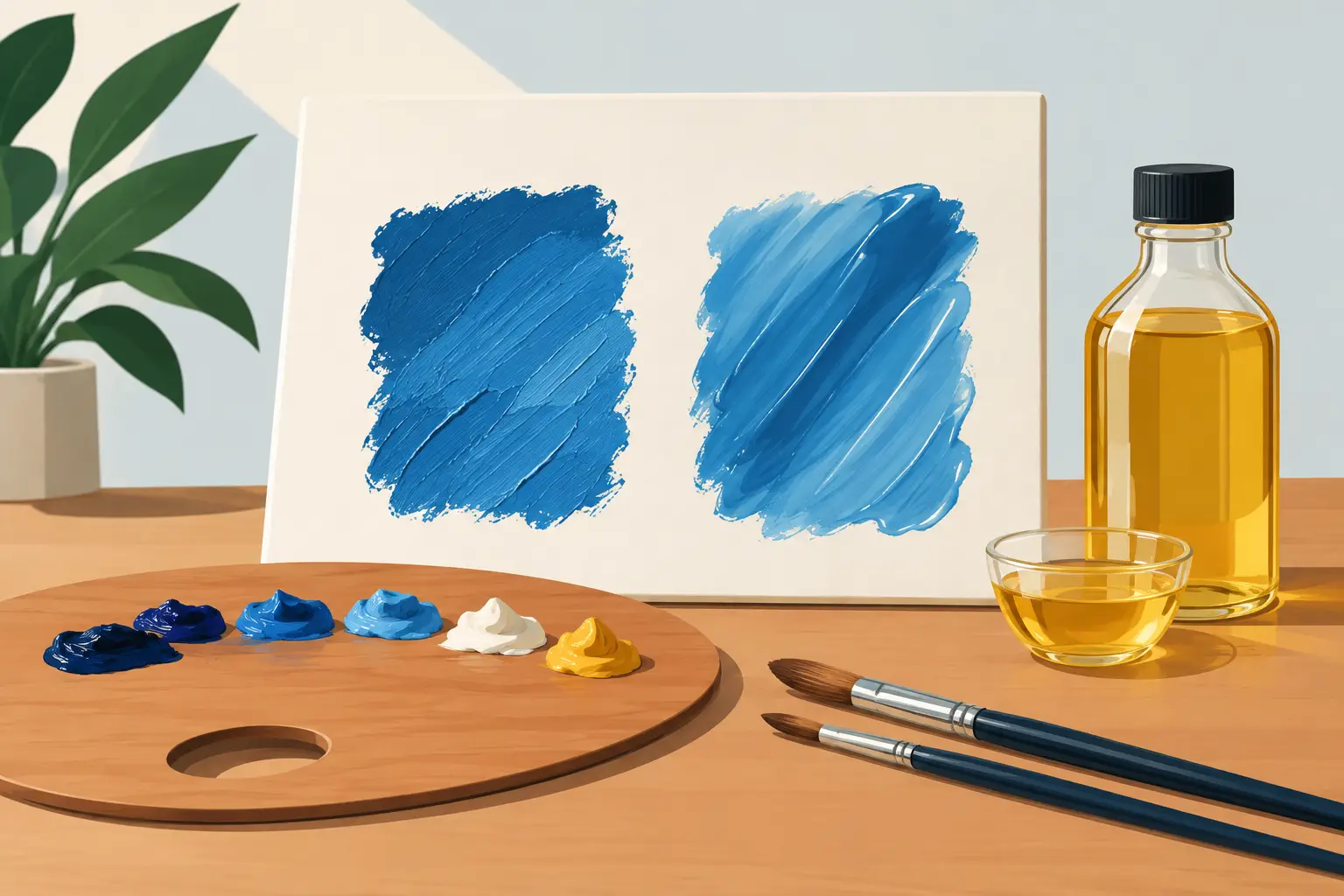
Oil Mediums: How They Change Paint Handling

Oil Mediums: How They Change Paint Handling

Understand oil mediums, from linseed oil to alkyd gel, and choose the right balance of flow, gloss, drying time and paint-film strength for lasting work.

Student Versus Artist Grade Paint: What Changes?

Student Versus Artist Grade Paint: What Changes?

Student versus artist grade paint differs in pigment, permanence, mixing and cost. Learn what each grade means, and choose materials for your practice wisely.
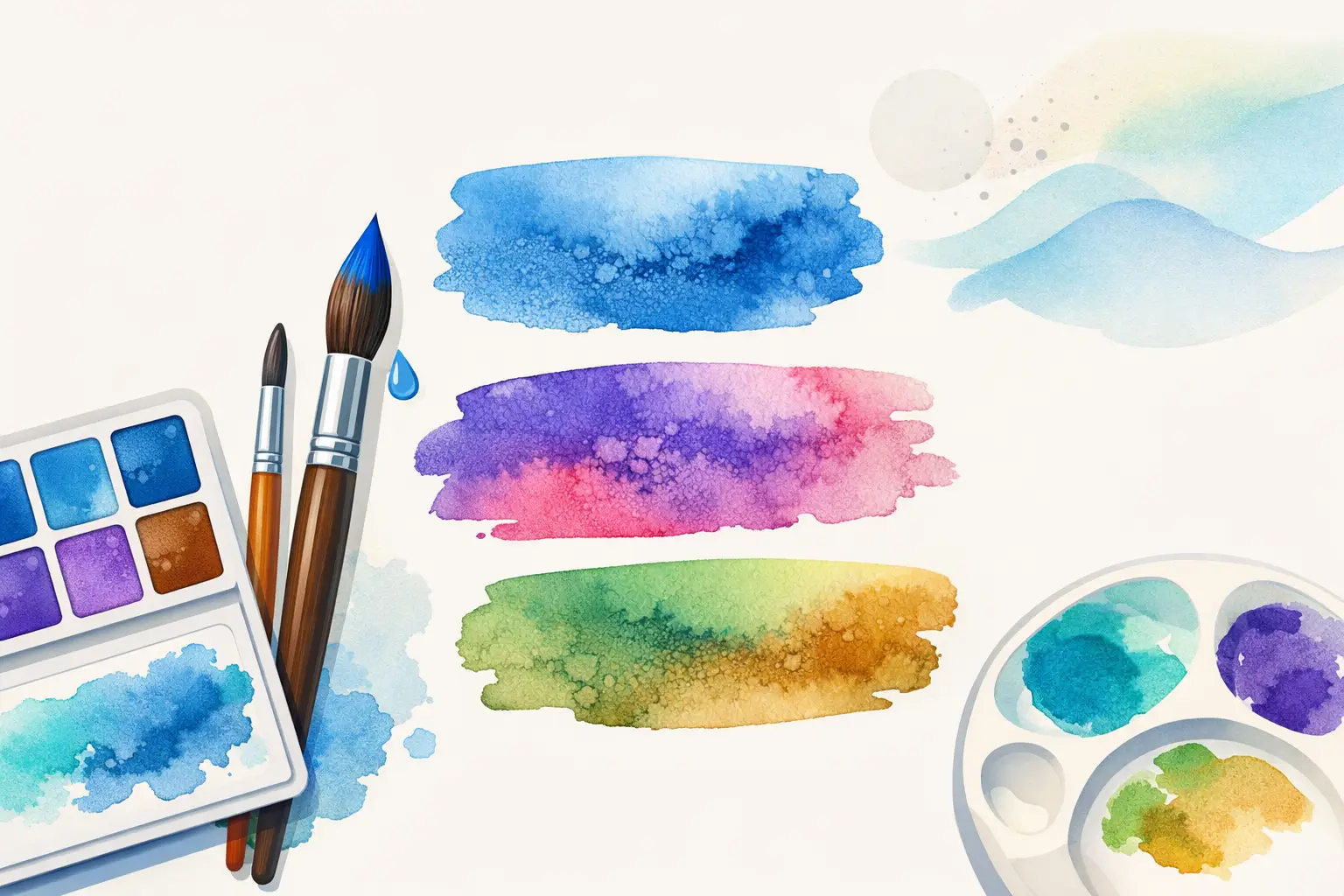
Watercolour Granulation Techniques That Work

Watercolour Granulation Techniques That Work

Learn watercolour granulation techniques for textured washes, controlled blooms and pigment separation, with paper, water and layering advice.

How to Choose Professional Oil Paint Sets

How to Choose Professional Oil Paint Sets

Learn how to choose professional oil paint sets by pigment, palette, tube size and handling, so every colour earns its place in the studio with confidence.

Pigment Lightfastness Ratings for Painters

Pigment Lightfastness Ratings for Painters

Pigment lightfastness ratings help painters select colours that retain their character over time. Learn how to read them and build a lasting paint palette.

How Oil Colours Help You Build a Better Palette

How Oil Colours Help You Build a Better Palette

Choose oil colours by pigment, opacity, drying behaviour and mixing character. Build a working palette with clarity, control and greater confidence daily.

Watercolour Pigment Selection Guide for Painters

Watercolour Pigment Selection Guide for Painters

Use this watercolour pigment selection guide to build a purposeful palette, assess transparency, granulation, staining and reliable mixing for paintings.
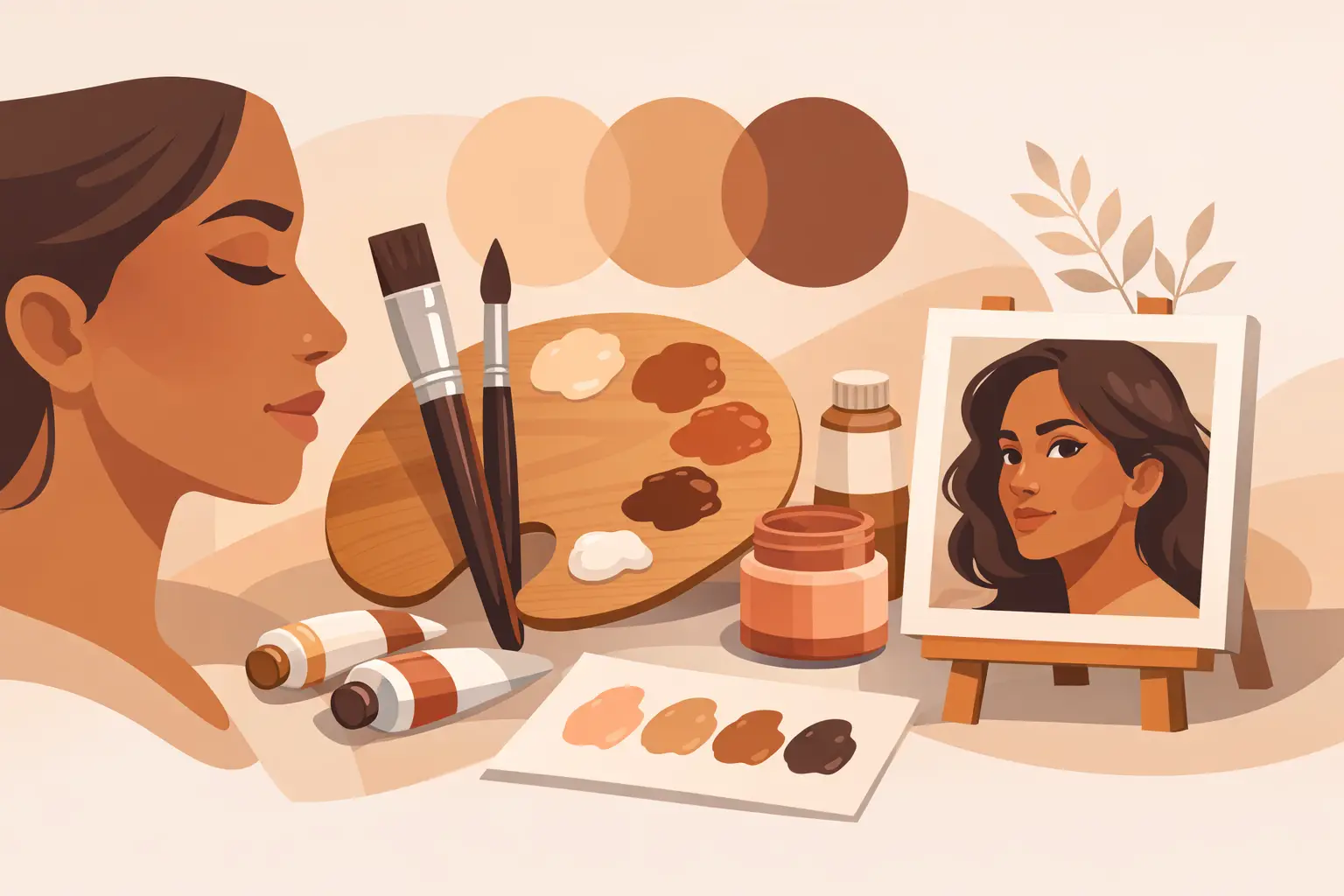
Best Pigments for Portraits and Natural Skin

Best Pigments for Portraits and Natural Skin

Choose the best pigments for portraits with confidence: a practical guide to undertones, opacity, mixing, permanence and a disciplined working palette.

Single Pigment Versus Mixes for Better Painting

Single Pigment Versus Mixes for Better Painting

Single pigment versus mixes: learn how pigment choices affect clarity, greying, glazing and palette design in oil and watercolour painting daily practice.

Pigment Index Number Guide for Painters

Pigment Index Number Guide for Painters

This pigment index number guide helps painters read colour labels, compare pigments, avoid false equivalents and build a more purposeful palette in practice.

How to Choose Watercolour Paint Sets Well

How to Choose Watercolour Paint Sets Well

Choose watercolour paint sets by pigment, palette structure and working method, so every colour earns its place in a serious painting practice with care.

Limited Oil Palette for Better Colour Mixing

Limited Oil Palette for Better Colour Mixing

Learn how a limited oil palette improves colour mixing, value control and pigment knowledge, with practical guidance for building a serious studio set.

Oil Paint Colour Equivalents: Compare Properly

Oil Paint Colour Equivalents: Compare Properly

Oil paint colour equivalents are best chosen by pigment, opacity and handling. Learn how to compare names, mixes and palette roles with daily confidence.

How to Read Pigment Codes on Artists’ Paint

How to Read Pigment Codes on Artists’ Paint

Learn how to read pigment codes on artists’ paint, from PY and PR to PB, and choose colours by composition, permanence, opacity and mixing in practice.
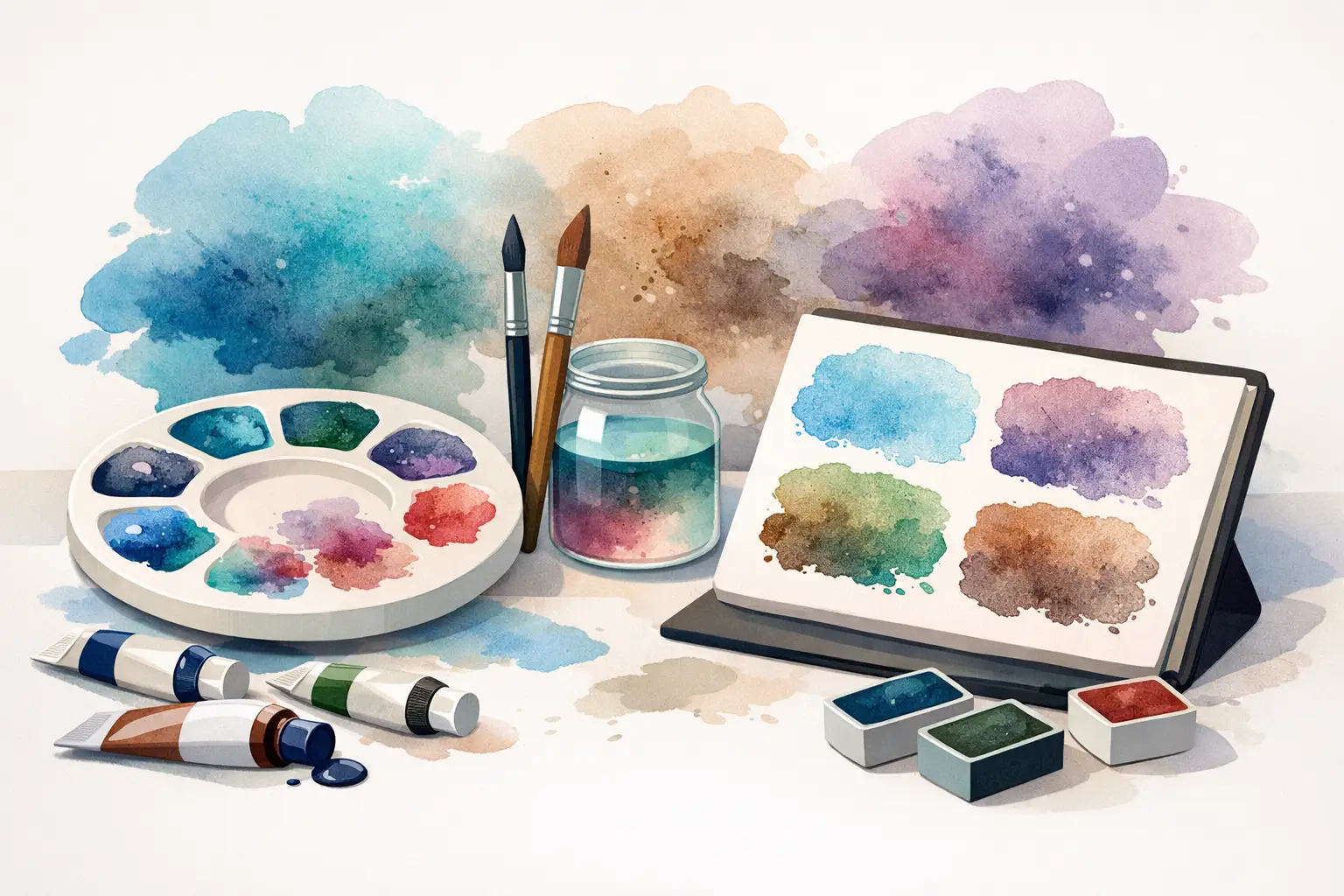
12 Best Granulating Watercolour Paints to Try

12 Best Granulating Watercolour Paints to Try

Find the best granulating watercolour paints for textured washes, mineral mixes and expressive skies, with pigment-led advice for building a fine palette.

How to Choose Watercolours for Your Palette

How to Choose Watercolours for Your Palette

Learn how to choose watercolours by pigment, transparency, granulation and palette purpose, so every colour earns its place in your painting practice daily.
Choosing Non-Toxic Artist Oil Paints Wisely

Choosing Non-Toxic Artist Oil Paints Wisely

Choose non-toxic artist oil paints with a clear view of pigments, binders, labels, studio practice - without compromising colour, handling or permanence.

Choosing Vegan Professional Oil Paints Well

Choosing Vegan Professional Oil Paints Well

Choose vegan professional oil paints with confidence: understand binders, pigments, labels and studio performance without compromising colour or handling.

Using a Solvent Free Oil Painting Medium

Using a Solvent Free Oil Painting Medium

Learn how a solvent free oil painting medium changes flow, drying and gloss, and choose a considered method for sound, controlled oil painting practice.

Oil Paint Transparency Guide for Better Glazing

Oil Paint Transparency Guide for Better Glazing

Our oil paint transparency guide explains pigment opacity, glazing, layering and mixing so you can select colours with greater control in the studio daily.

Oil Paint Lightfastness Ratings Explained

Oil Paint Lightfastness Ratings Explained

Understand oil paint lightfastness ratings, pigment permanence and practical palette choices, so your paintings retain their intended colour over time.

Why Single Pigment Oil Paints Build Better Palettes

Why Single Pigment Oil Paints Build Better Palettes

Single pigment oil paints give painters clearer mixes, reliable colour decisions and a stronger understanding of every mark they place on the canvas itself.

Oil Paint Pigment Index Guide for Better Choices

Oil Paint Pigment Index Guide for Better Choices

Use this oil paint pigment index guide to read Colour Index codes, compare pigment behaviour, and build a dependable, purposeful oil palette confidently.

How to Choose Oil Paint Colours for Your Palette

How to Choose Oil Paint Colours for Your Palette

Learn how to choose oil paint colours by pigment, value, temperature and mixing behaviour, then build a durable palette suited to the way you paint well.

Product Information & Disclaimer

The information provided on this website is based on research and testing conducted by Michael Harding Art Formulas Ltd and is intended as general guidance on the characteristics and potential uses of our products in established painting practices.

While we take care to provide accurate and reliable information, individual materials, techniques, working conditions and applications can vary. Michael Harding Art Formulas Ltd cannot guarantee that any product will be suitable for every individual purpose or application. Users should carefully read all product labels, instructions and safety information and carry out appropriate testing before use, particularly when developing individual techniques or combining materials.

To the fullest extent permitted by applicable law, Michael Harding Art Formulas Ltd makes no express or implied warranties as to merchantability or fitness for a particular purpose and accepts no liability for any loss or damage, including indirect or consequential loss, arising from the use or application of its products.

Colour Representation

Colours displayed on this website and in printed materials are for guidance only. Their appearance may vary depending on screen settings, device, lighting conditions, printing processes and other factors, and may therefore differ from the appearance of the physical product.

For the most accurate representation of colour, texture and finish, we strongly recommend viewing a physical product sample or swatch in person before making a final selection or purchase. Where colour accuracy is important, please do not rely solely on digital or printed representations.

© 2026 Michael Harding Handmade Artist Oil Colours. All Rights Reserved.