
PB29
Ultramarine
- Chemistry
- Complex sodium aluminosilicate sulphide
- Origin
- Synthetic version of lapis lazuli.
- History
- Natural ultramarine (lapis) was the most prized medieval pigment; synthetic ultramarine arrived in 1828.
- Toxicity
- Non-toxic.
Ultramarine (PB29) is Complex sodium aluminosilicate sulphide. In our watercolour range it is transparent, yes granulation, excellent lightfastness.
- Transparency
- Transparent
- Granulation
- YES
- Staining
- Medium
- Lightfastness
- Excellent
What is PB29?
PB29 (Ultramarine) is Complex sodium aluminosilicate sulphide. Synthetic version of lapis lazuli..
What is the chemistry of PB29?
PB29 is Complex sodium aluminosilicate sulphide.
Is PB29 toxic?
Non-toxic.
Is PB29 lightfast?
In the Michael Harding range, colours using PB29 are rated excellent for lightfastness.
Is PB29 transparent or opaque?
PB29 is transparent.
Does PB29 granulate?
In watercolour, PB29 is granulating.
Which Michael Harding colours use PB29?
PB29 appears in 28 Michael Harding colours: Wisteria, Amethyst, Corinthian Purple, Belladonna, Imperial Purple, Kings Blue Light and 22 more.
The story of PB29
From the most expensive pigment in the medieval palette to a staple of every painter’s box - ultramarine remains the definitive warm, stable blue.
How it is made
Synthetic ultramarine is made by firing kaolin clay, sulphur, soda and carbon in a kiln, then washing and grading the blue powder. Ground in linseed oil it gives a clean, granulating, non-toxic blue that mimics the lapis of medieval manuscripts at a fraction of the cost.
In the hands of the masters
Natural ultramarine, ground from Afghan lapis, was the most prized pigment of the Renaissance - reserved for the Virgin’s robes in Giotto, Titian and Vermeer. After 1828 the synthetic version democratised that blue; the Impressionists built their skies and shadows on it.
Michael Harding colours using PB29
28 colours across both rangesLightfastness: ExcellentOil Colours containing PB29
13 colours
No. 242 Wisteria
- Pigment
- PW6, PR122, PB29
- Type
- Organic/Inorganic
- Lightfastness
- Excellent
- Oil Content
- Low
- Tint Power
- Average


No. 309 Amethyst
- Pigment
- PB29, PR122, PV23
- Type
- Organic/Inorganic
- Lightfastness
- Excellent
- Oil Content
- High
- Tint Power
- Average

No. 255 Corinthian Purple
- Pigment
- PR112, PB29, PV23
- Type
- Organic/Inorganic
- Lightfastness
- Excellent
- Oil Content
- Average
- Tint Power
- Average

No. 241 Belladonna
- Pigment
- PV23, PR112, PB29
- Type
- Organic
- Lightfastness
- Excellent
- Oil Content
- Average
- Tint Power
- Average

No. 253 Imperial Purple
- Pigment
- PB29, PV19
- Type
- Inorganic
- Lightfastness
- Excellent
- Oil Content
- Average
- Tint Power
- Average

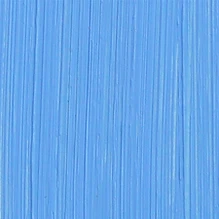
No. 211 Kings Blue Light
- Pigment
- PW6, PB29
- Type
- Inorganic
- Lightfastness
- Excellent
- Oil Content
- Low
- Tint Power
- Average


No. 212 Kings Blue Deep
- Pigment
- PW6, PB29
- Type
- Inorganic
- Lightfastness
- Excellent
- Oil Content
- Low
- Tint Power
- Average

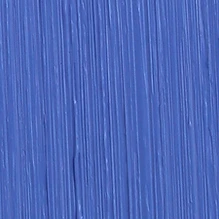
No. 227 Pale Violet
- Pigment
- PW6, PB29, PV23
- Type
- Organic/Inorganic
- Lightfastness
- Excellent
- Oil Content
- Low
- Tint Power
- Average

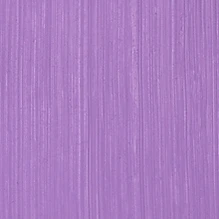
No. 243 Lavender
- Pigment
- PW6, PV15, PB29, PV19
- Type
- Organic/Inorganic
- Lightfastness
- Excellent
- Oil Content
- Low
- Tint Power
- Average

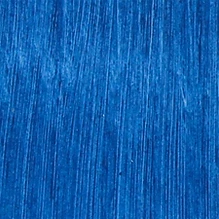
No. 702 Lapis Lazuli (Afghan)
- Pigment
- PB29
- Type
- Inorganic
- Lightfastness
- Not tested
- Oil Content
- Low
- Tint Power
- Low

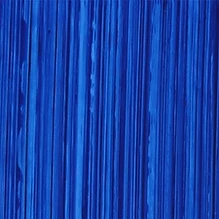
No. 113 Ultramarine Blue
- Pigment
- PB29
- Type
- Inorganic
- Lightfastness
- Excellent
- Oil Content
- Average
- Tint Power
- Average


Watercolours containing PB29
15 colours
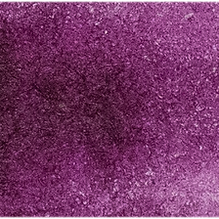
No. W209 Amethyst
- Pigment
- PR122, PB29
- Lightfastness
- Excellent
- Tint Power
- 3

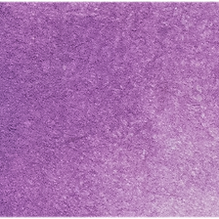
No. W234 Wisteria
- Pigment
- PW6, PR122, PB29
- Lightfastness
- Very Good
- Tint Power
- 2

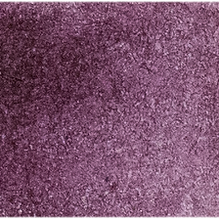
No. W166 Corinthian Purple
- Pigment
- PR112, PB29, PV23
- Lightfastness
- Very Good
- Tint Power
- 1

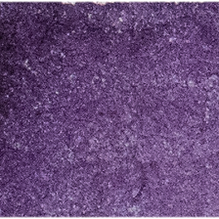
No. W168 Belladonna
- Pigment
- PV23, PR112, PB29
- Lightfastness
- Very Good
- Tint Power
- 1

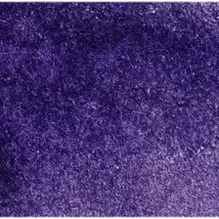
No. W219 Imperial Purple
- Pigment
- PB29, PV19
- Lightfastness
- Excellent
- Tint Power
- 3

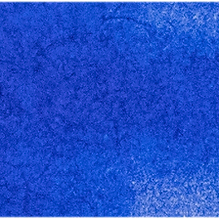
No. W201 Ultramarine Blue
- Pigment
- PB29
- Lightfastness
- Excellent
- Tint Power
- 3

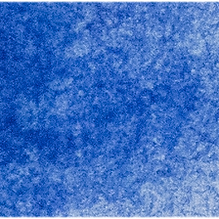
No. W502 Lapis Lazuli (Afghan)
- Pigment
- PB29
- Lightfastness
- Very Good
- Tint Power
- 2

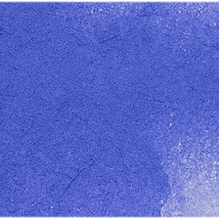
No. W149 Pale Violet
- Pigment
- PW6, PW4, PB29, PV23
- Lightfastness
- Excellent
- Tint Power
- 2

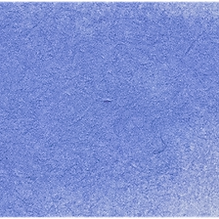
No. W235 Lavender
- Pigment
- PW6, PV15, PB29
- Lightfastness
- Excellent
- Tint Power
- 2

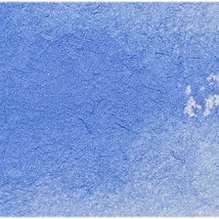
No. W142 Kings Blue Deep
- Pigment
- PW6, PW4, PB29
- Lightfastness
- Excellent
- Tint Power
- 2


No. W141 Kings Blue Light
- Pigment
- PW6, PW4, PB29
- Lightfastness
- Excellent
- Tint Power
- 2

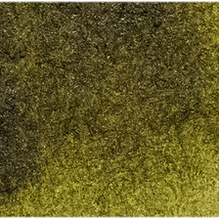
No. W165 Moss Green
- Pigment
- PY150, PB29, PR209
- Lightfastness
- Excellent
- Tint Power
- 3

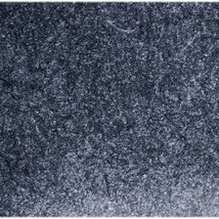
No. W228 Moonlight
- Pigment
- PG18, PB29, PR177
- Lightfastness
- Good
- Tint Power
- 2

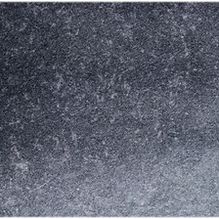

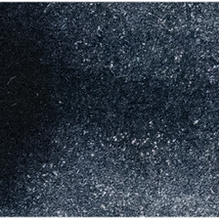
| Colour | Medium | Transparency | Lightfastness | Granulation |
|---|---|---|---|---|
| Wisteria No. 242 | Oil | Opaque | Excellent | — |
| Amethyst No. 309 | Oil | Transparent | Excellent | — |
| Corinthian Purple No. 255 | Oil | Semi-Transparent | Excellent | — |
| Belladonna No. 241 | Oil | Transparent | Excellent | — |
| Imperial Purple No. 253 | Oil | Transparent | Excellent | — |
| Kings Blue Light No. 211 | Oil | Opaque | Excellent | — |
| Kings Blue Deep No. 212 | Oil | Opaque | Excellent | — |
| Pale Violet No. 227 | Oil | Opaque | Excellent | — |
| Lavender No. 243 | Oil | Opaque | Excellent | — |
| Lapis Lazuli (Afghan) No. 702 | Oil | Semi-Transparent | Not tested | — |
| Ultramarine Blue No. 113 | Oil | Transparent | Excellent | — |
| Moss Green No. 239 | Oil | Semi-Transparent | Excellent | — |
| Paynes Grey No. 127 | Oil | Semi-Opaque | Excellent | — |
| Amethyst W209 | Watercolour | Transparent | Excellent | YES |
| Wisteria W234 | Watercolour | Semi-Opaque | Very Good | NO |
| Corinthian Purple W166 | Watercolour | Transparent | Very Good | NO |
| Belladonna W168 | Watercolour | Semi-Transparent | Very Good | YES |
| Imperial Purple W219 | Watercolour | Transparent | Excellent | YES |
| Ultramarine Blue W201 | Watercolour | Transparent | Excellent | YES |
| Lapis Lazuli (Afghan) W502 | Watercolour | Semi-Transparent | Very Good | YES |
| Pale Violet W149 | Watercolour | Semi-Opaque | Excellent | YES |
| Lavender W235 | Watercolour | Opaque | Excellent | YES |
| Kings Blue Deep W142 | Watercolour | Opaque | Excellent | YES |
| Kings Blue Light W141 | Watercolour | Opaque | Excellent | YES |
| Moss Green W165 | Watercolour | Semi-Transparent | Excellent | YES |
| Moonlight W228 | Watercolour | Transparent | Good | YES |
| Purple Haze W226 | Watercolour | Transparent | Excellent | YES |
| Paynes Grey W127 | Watercolour | Semi-Transparent | Excellent | YES |
Pigments in the same family
Complementary pigments to mix with PB29
Opposite-family pigments that pair cleanly with PB29 for neutrals, shadows and chromatic greys.
Open the Mixing Studio →